Brazil & Paraguay
Panama City (day stopover), Manaus, Iguazu Falls, Asuncion (and nearby towns), Rio de Janiero
Our 12 Day Itinerary
Travel with us as we explore Brazil and Paraguay, seeing some of South America's most spectacular landscapes. While only touching a very small portion of the enormous country of Brazil, we will cover some iconic wonders of raw, untamed nature. From the depths of the dense Amazon rainforest to the thundering cascades of Iguazu Falls. We head up the Rio Negro for a 2 day Amazon tour filled with unique experiences such as swimming with the pink river dolphins, hiking in the forest, piranha fishing, cayman hunting and seeing the famous meeting of the waters. Afterward, we visit Iguazu falls and take our time enjoying it from both the Argentina and Brazil sides. Near the end of our trip, we uncover the rhythmic energy of Rio de Janeiro, enjoying its expansive beaches with sunset views and legendary sugarloaf mountain, diving into a local concert, and visiting a wonder of the world, Christ the Redeemer.
In between, an off the beaten path roadtip in Paraguay. With a rental car, we'll drive from the border with Brazil to the capital city of Asuncion. After exploring the city, we'll uncover a few charming local villages where specialized handicraft making is still a way of life. There is Itauguá where you can see artisans weaving delicate lace, the bustling pottery stalls and colonial streets of Areguá, and Luque, famous for its intricate, handmade silver jewelry. The trip will take us roughly 12 days, still a fast paced adventure, but full of unforgettable sights. By the way, we'll first have a full day pitstop in Panama City, Panama, due to flight timing. To make the most of our day, we will visit the Panama Canal and take a boat tour on Lake Gatun, as well as visit the Old Town before heading back to the airport.
Panama City, Panama stopover - Panama Canal, Gatun Lake, Casca Viejo
Amazon rainforest - Rio Negro, rainforest hike, piranha fishing, cayman hunting and overnight
Amazon rainforest - pink dolphins, indigenous village, pirarucu, meeting of the waters, Manaus town
Manaus central market, flights to Iguazu Falls
Iguazu Falls - Argentina side
Iguazu Falls - Brazil side
Crossing into Paraguay and driving to Asuncion
Small handicraft towns near Asuncion
Flights to Rio, Dino Fonseca concert
Rio de Janiero local sights
Flights home
Currency, Language and Religion
Currency in Brazil is the Brazilian Reais (currently at $1 USD = 5.67 BRL), while Paraguay uses the Paraguayan Guaraní ($1 USD = 6,207 PYG). We found Brazil to be relatively cashless as far as transactions go, often having a hard time giving you change if you pay in cash. In Brazil, Portuguese is the official language, although local tribes especially those in the Amazon area have many different languages, with Tukano being the one that ties them all together. In fact, the Amazon area is home to over 300 different indigenous languages! In Paraguay, Spanish is widely used, however, they are proudly also speaking their indigeous language, Guaraní, which is still spoken by the vast majority of the population.
Both countries identify Christianity as their main religion for the general population. However, the indigenous Amazon tribes are rooted in animism and shamanism. To these tribes the jungle is a living, breathing community of spirits. They communicate with the use of a shaman and spiritual life is traditionally celebrated through large ritual gatherings called Dabucuri, which involve sacred dancing, body painting, and exchanging gifts to thank the forest for its abundance.
Day 1: Panama City, Panama
We had a late flight out of Denver on Copa Airlines, taking us to Panama City. Even though we had little sleep, we had to make the best of our full day layover in the city. We landed just after 5am and our flight to Brazil wouldn't depart until 9:30pm! Since it was so early, we spent a little bit of time in the Copa Airlines lounge trying to take a short nap in the Quiet Room. After that, we cleared immigration and stored our bags for the day at an airport luggage storage.
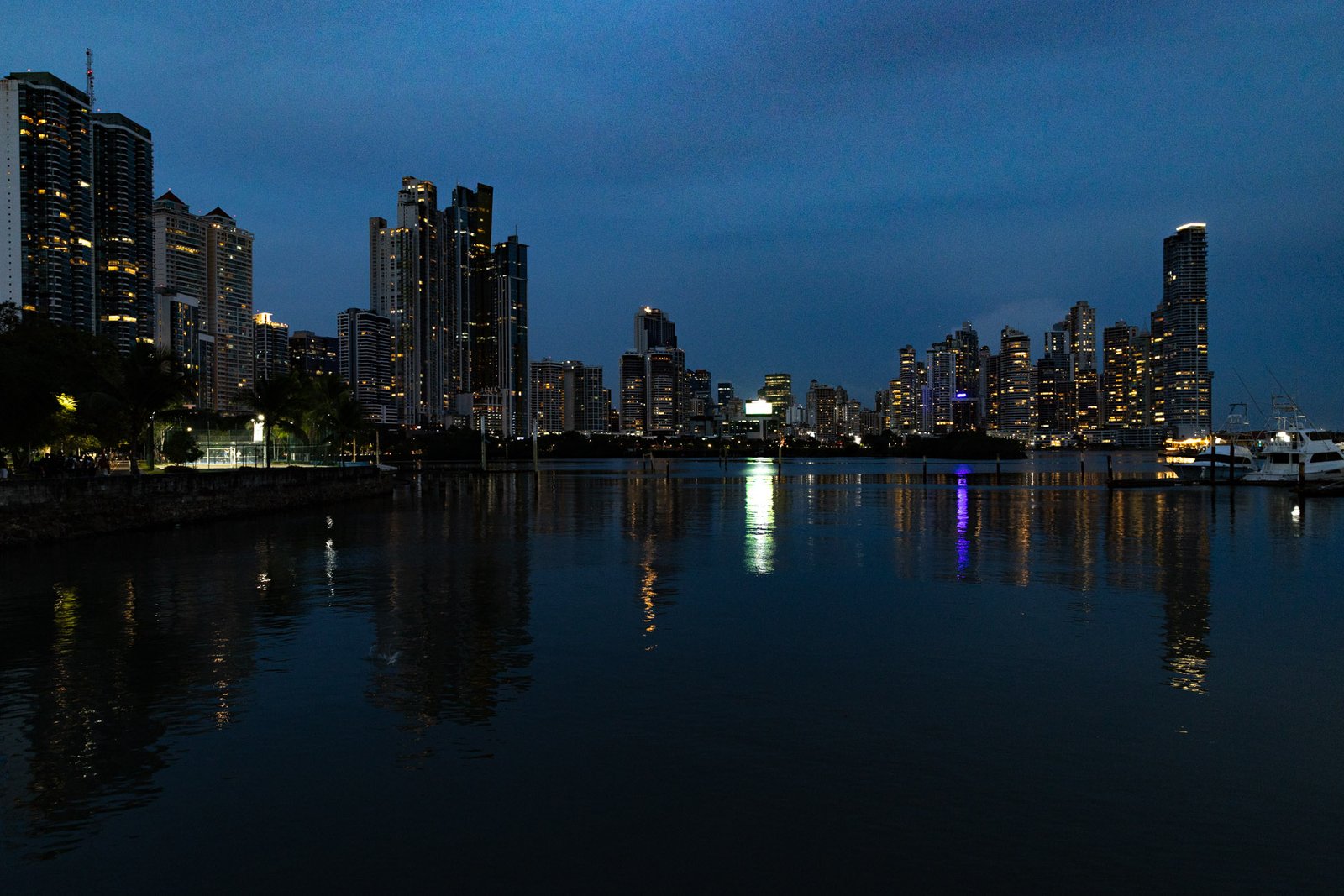
We had planned two activities for our day to keep us busy. A stop at the Miraflores Visitor Center on the Panama Canal, and a day trip by boat to see Gatun lake and wildlife. In between, we sought out the best ceviche. For lunch, we found a spot in the old town called La Pulperia where we had a very good ceviche and margaritas. We had another ceviche at the nearby fish market, but it surprisingly was not as good. After our full day out, we ended up trying another cevhice at an airport restaurant that turned out to be our favorite. After a long day, we boarded our next Copa Airlines flight which would take us to Manaus, Brazil.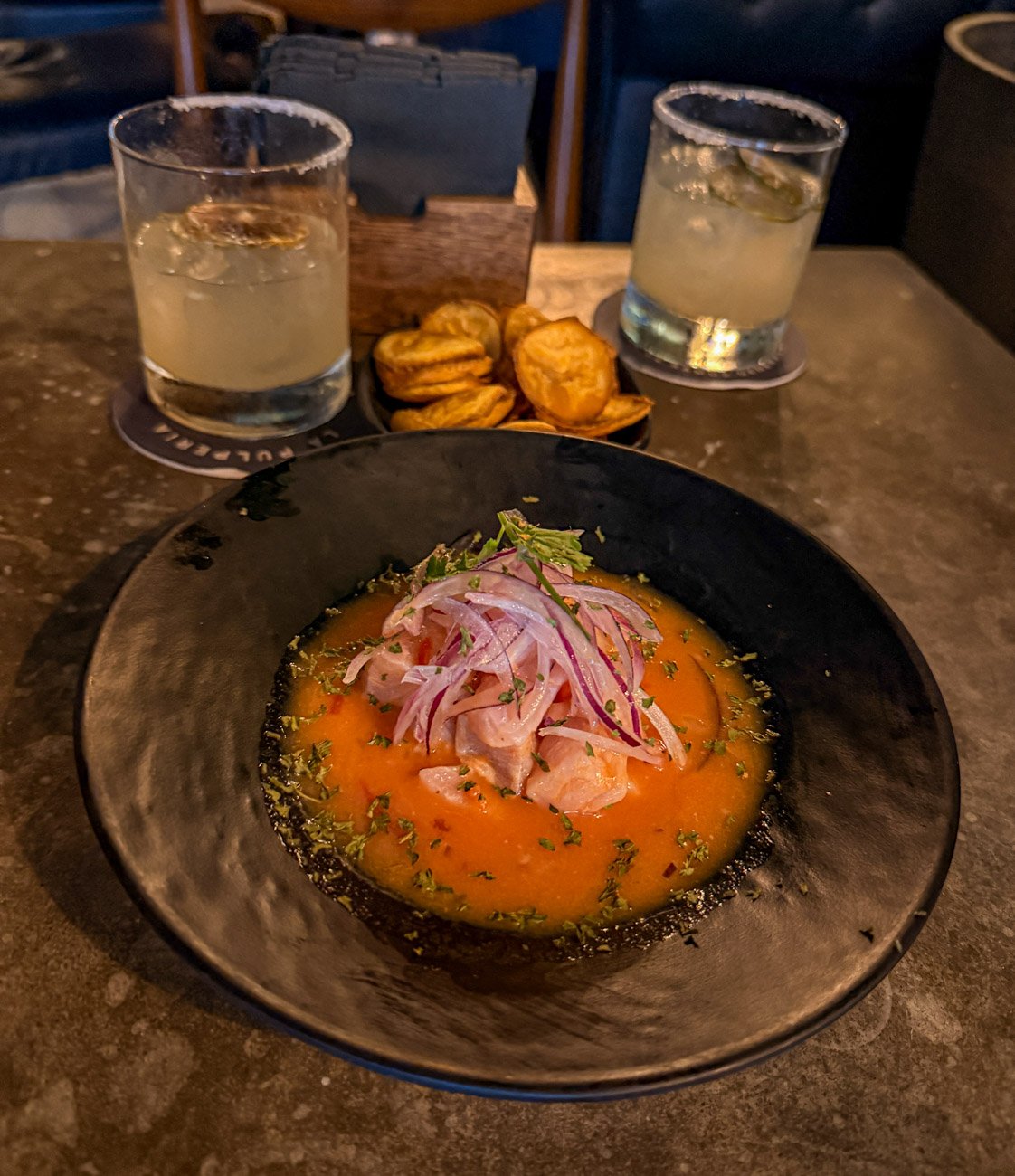
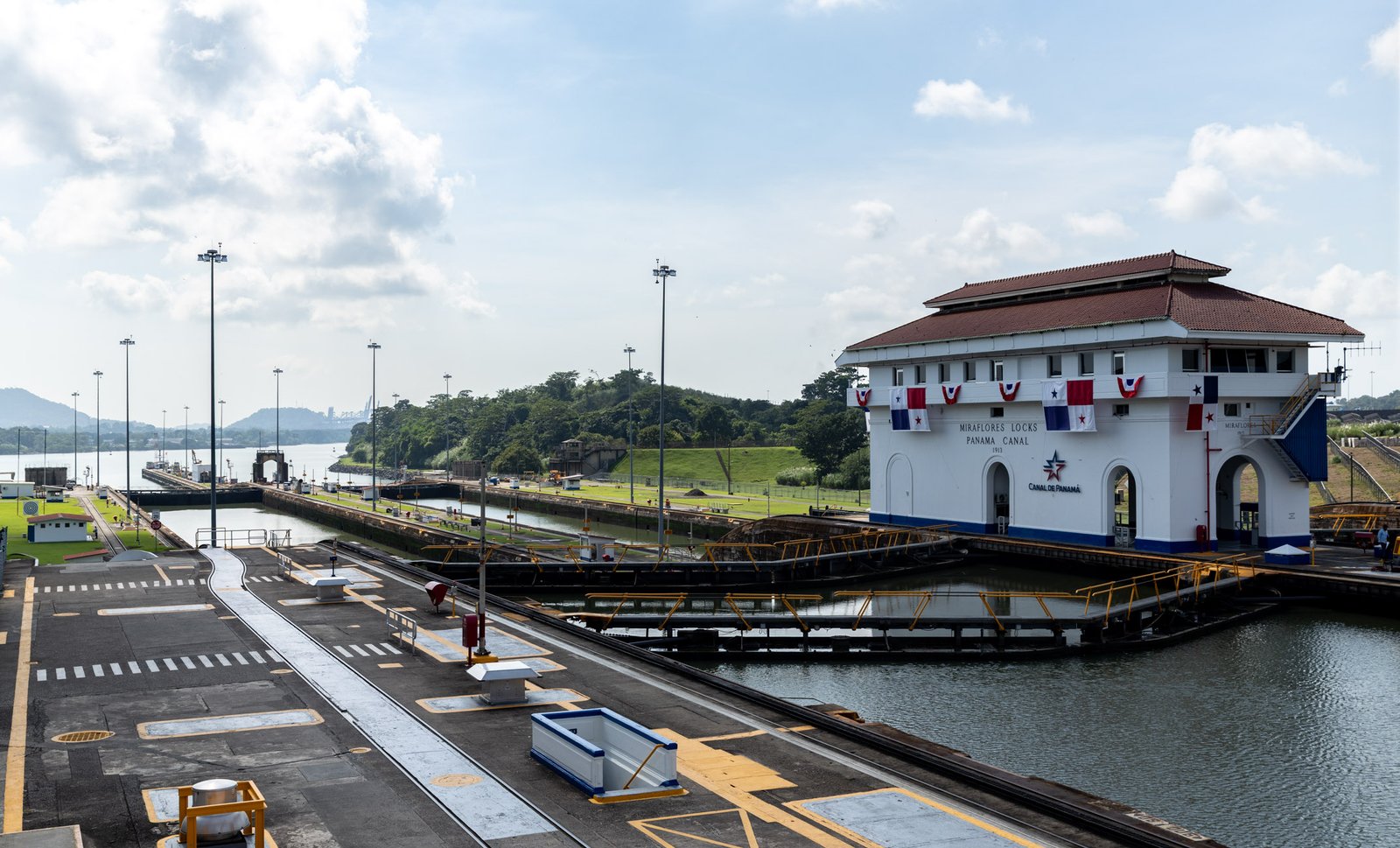
Miraflores - Panama Canal
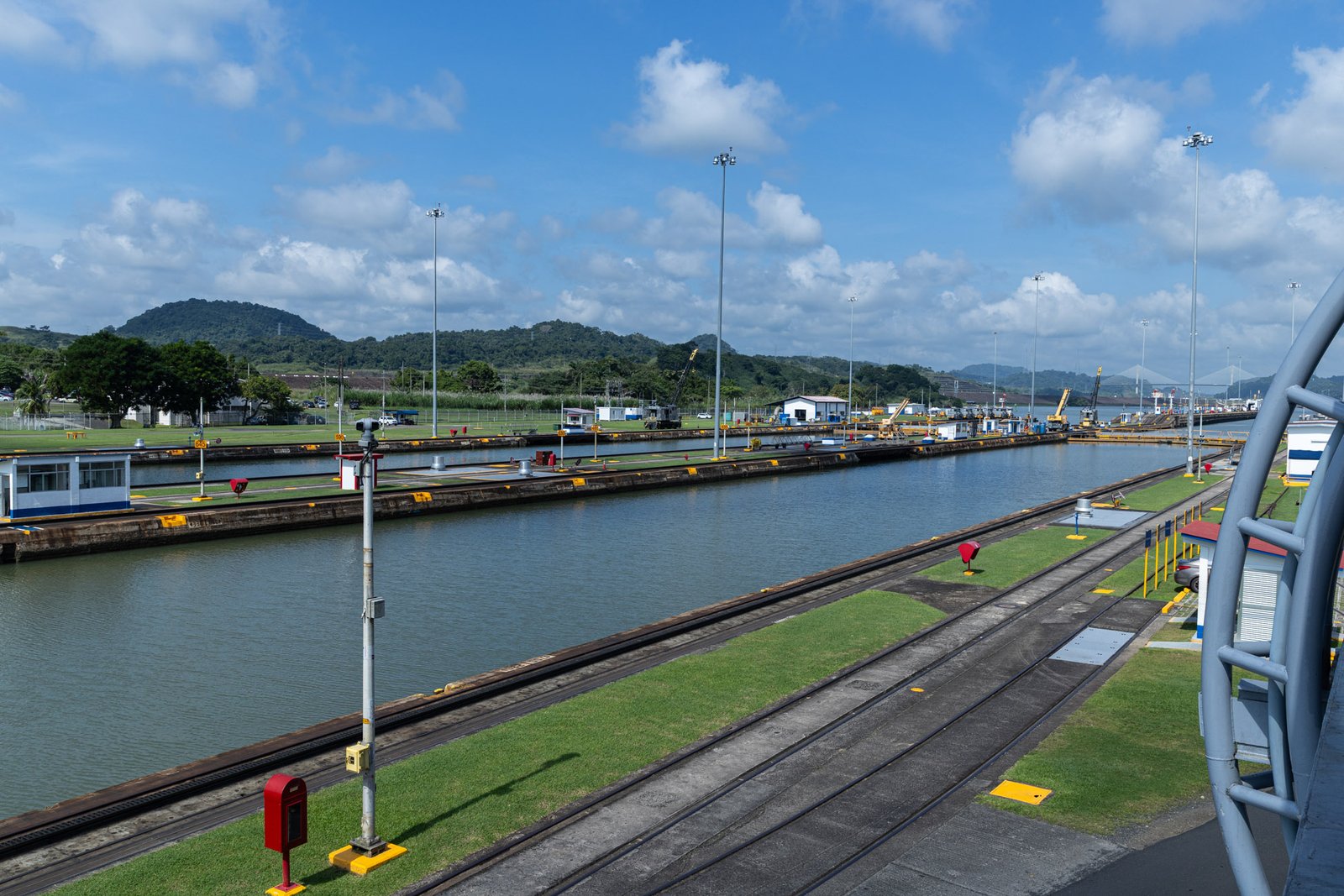
We purchased our tickets for the Panama Canal visitor center ($17pp) and took an Uber there straight from the airport. Unfortunately, when we arrived they informed us that the morning ships had already passed through. Not having much of a choice, we continued with our visit and admired the canal from the viewpoint. The canal is comprised of 12 locks, some on the Pacific side and some on the Atlantic side. In between there is Gatun Lake, a massive lake created by a dam as a solution to the problem of cutting through the entire isthmus.
There is a small information center where you can learn about the history of the Panama Canal, but the real star of the show is the 3D IMAX movie narrated by Morgan Freeman. Tickets to the IMAX are included in the price and the show runs about 40 minutes. There is even popcorn, beer, and other snacks for purchase to enjoy during the movie. The movie takes you through the detailed history of the canal, from the Spanish explorers looking for a way through, to the failed attempt by the French to dig all the way through, to the US taking over the project. The US engineer team adopted the idea of creating a dam with locks on either side. They took over the project in 1904 and completed it 10 years later, just as WWI was starting.
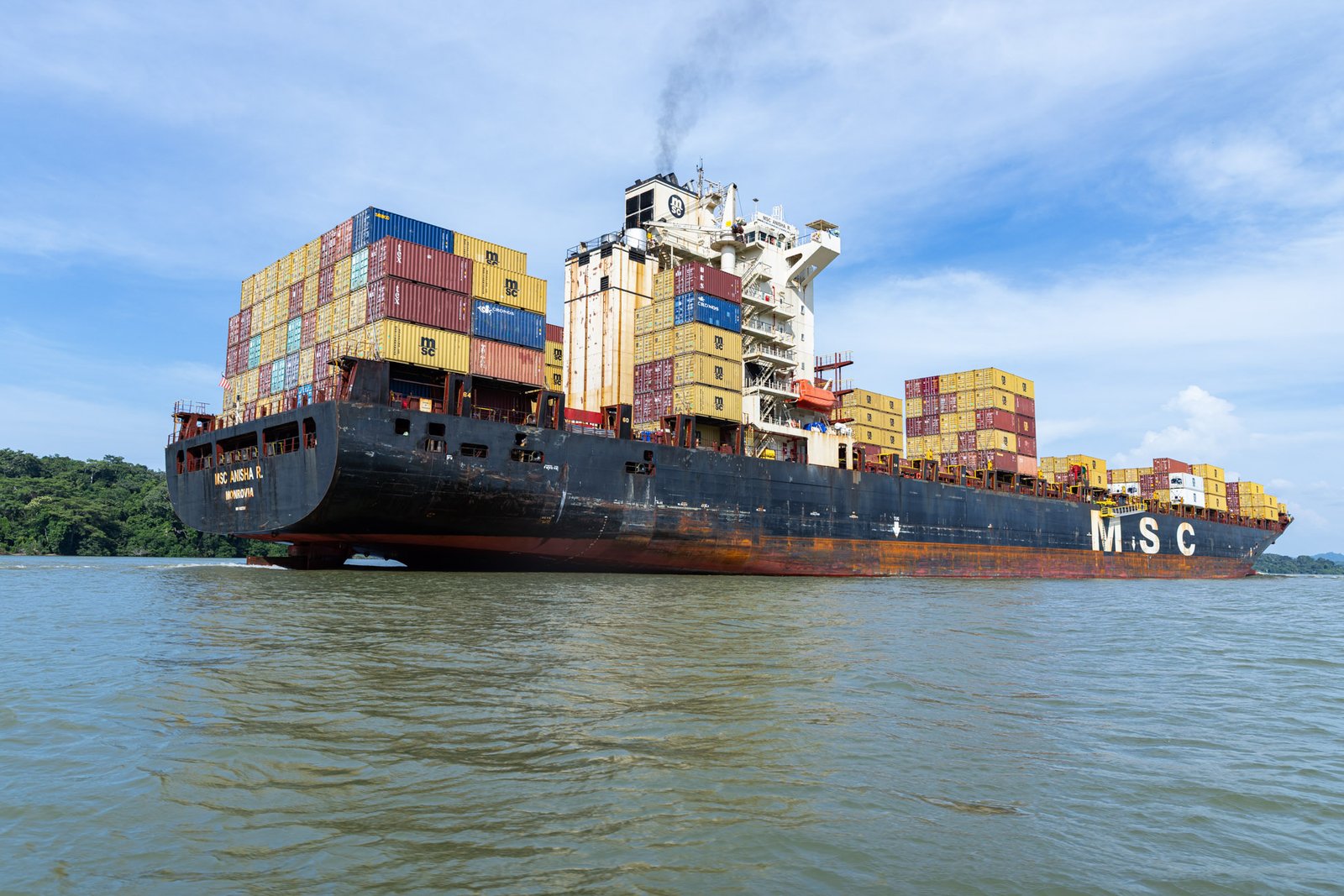
Today, the Panama Canal transits ~13,000 ships per year with 35-40 daily slots. The canal was recently expanded (completed in 2016) to add additional locks able to handle the mega size transport ships. Overall, the Panama Canal was a key feat for the world's transportation industry eliminating the need to travel the perilous journey around South America.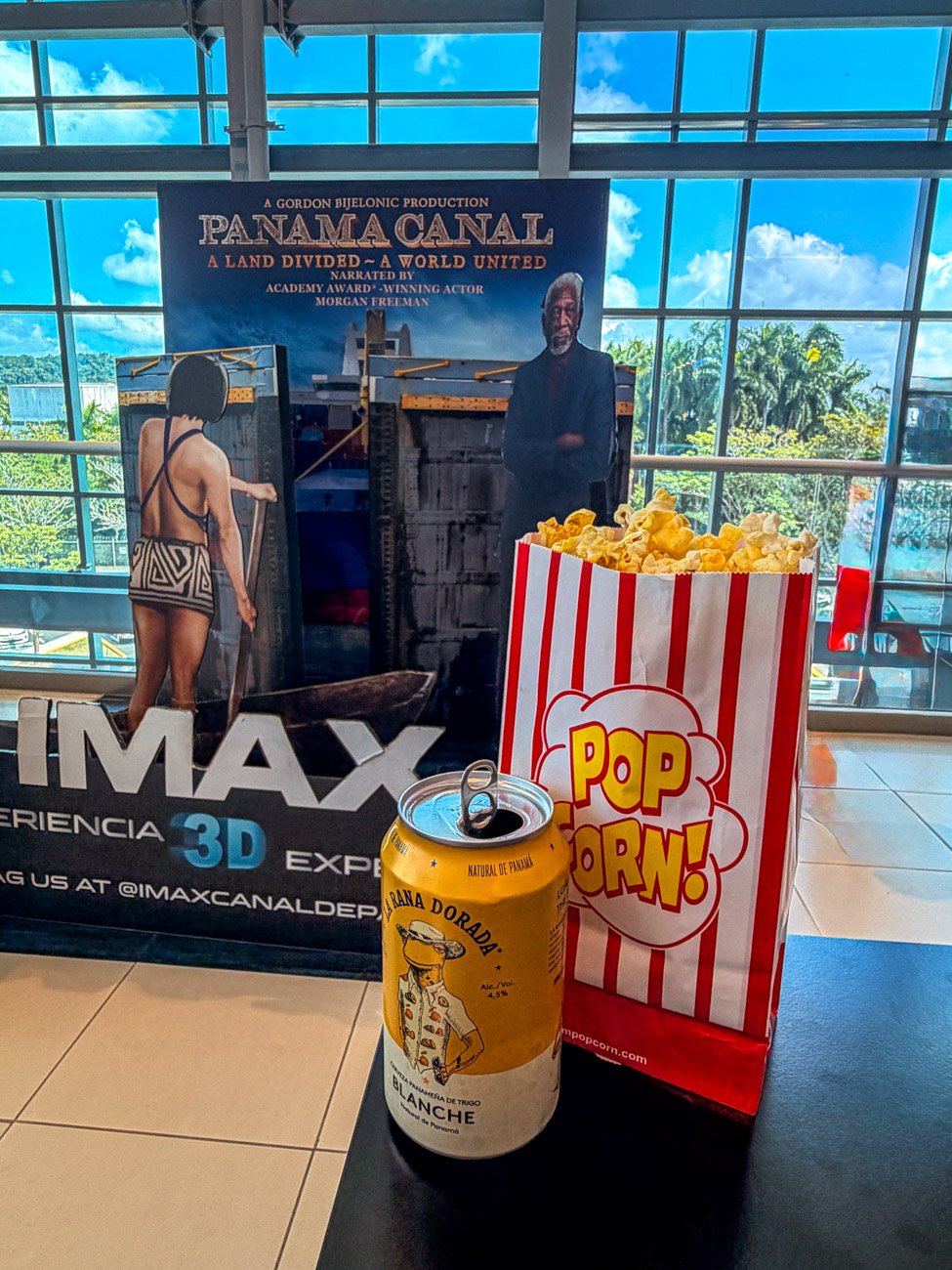
Casco Viejo and the Fish Market
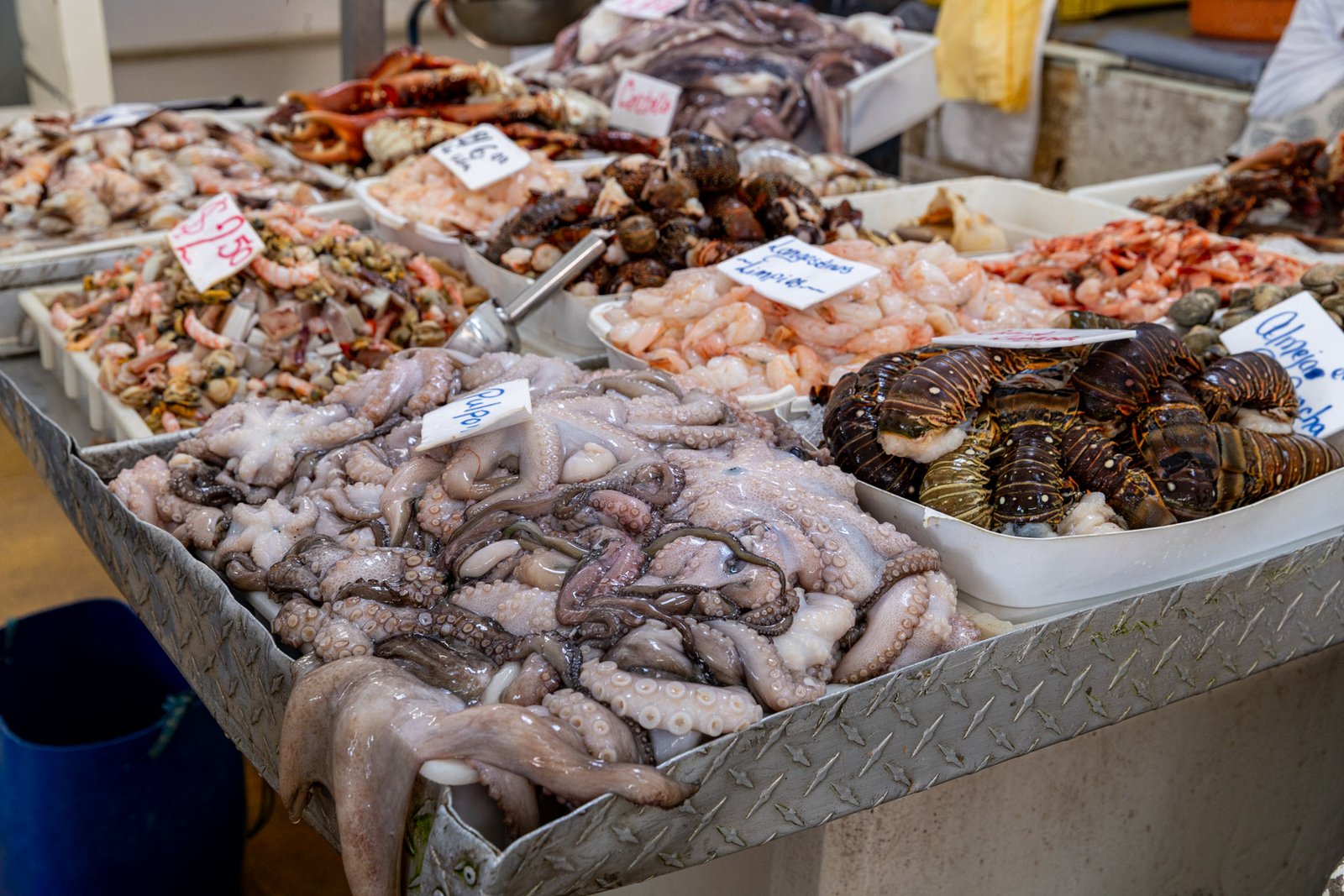
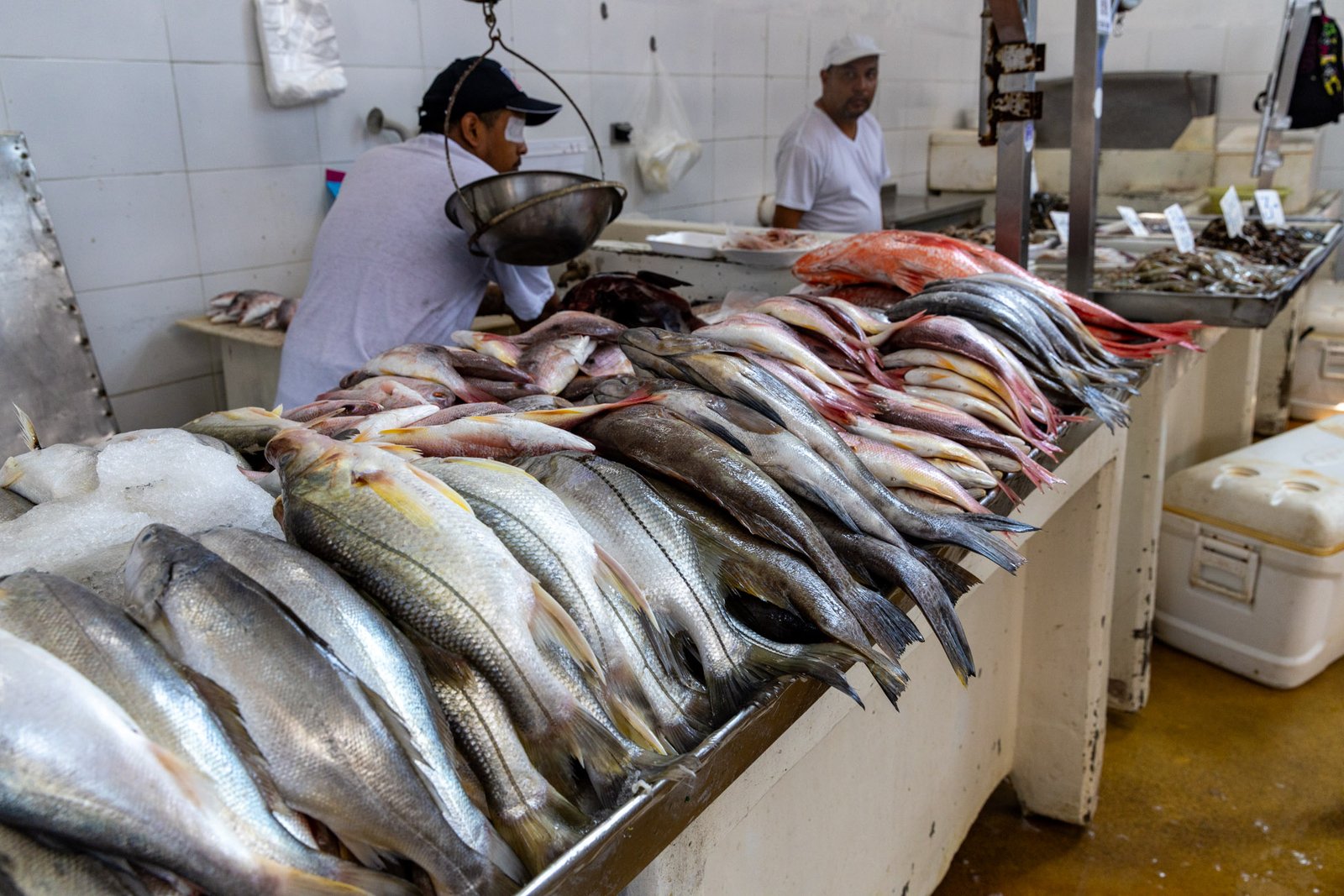
Old town Panama City, or Casco Viejo, is a trendy touristy section of the city to visit. With walkable streets and old colonial architecture, this should be included on any Panama City itinerary. We had anticipated returning here for dinner before heading to the airport, but only managed to have lunch, as our tour ran later than expected. For lunch, we had a tasty ceviche before deciding to walk to the local Fish Market on the edge of town. Inside, you can walk through the aisles where many different types of freshly caught seafood are being sold. Right outside the market, there are many restaurants offering all of the above. We sat down to enjoy another mixed seafood and shirmp ceviche with plantains. If we had more time, there are plenty of sights to see in the town as well as higher end restaurants, some with a view of the skyscrapers in the modern downtown area.
Gatun Lake and Monkey Island boat tour
We stumbled across a recommendation online to take this boat trip and it was probably the highlight of our activities in Panama City. We booked the trip on Get Your Guide here and chose the afternoon departure. They pick you up from any location around 1:30pm and from there you take the van out to the lake. The boat takes you on a trip through some of Gatun Lake, the middle part of the Panama Canal. Our boat felt so small as we passed close by to several freightliners. It was a unique experience to see them from the water.
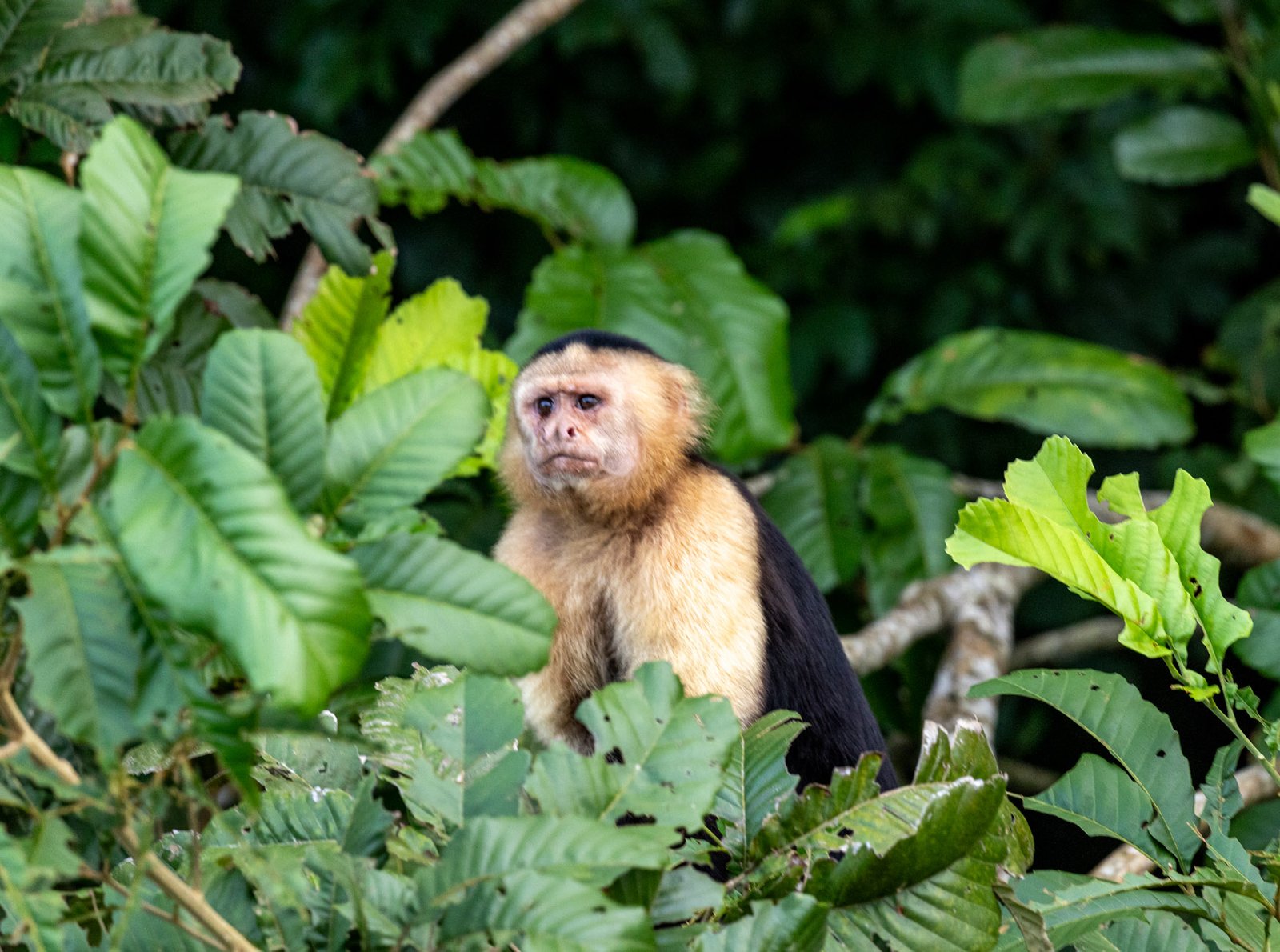
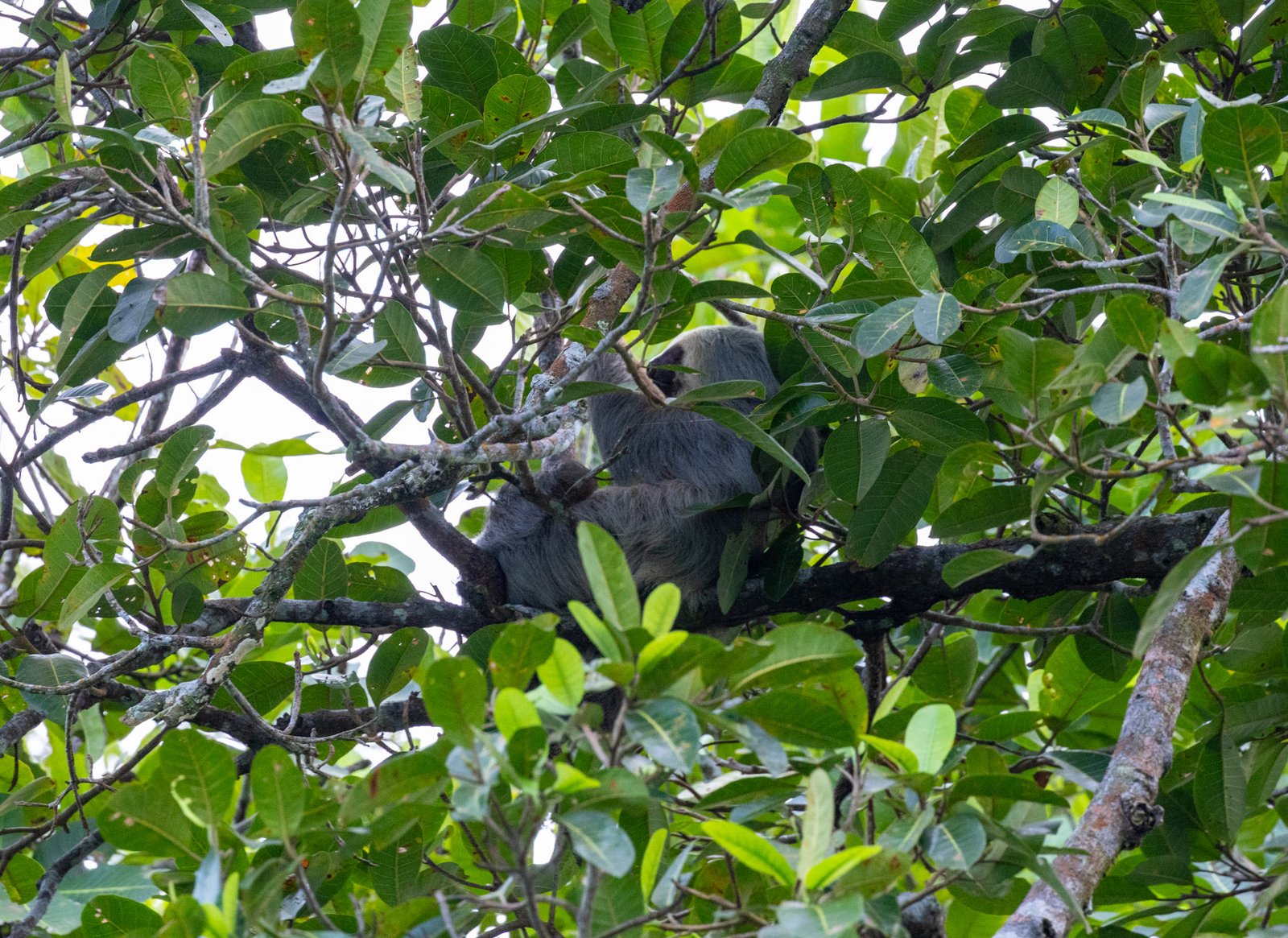
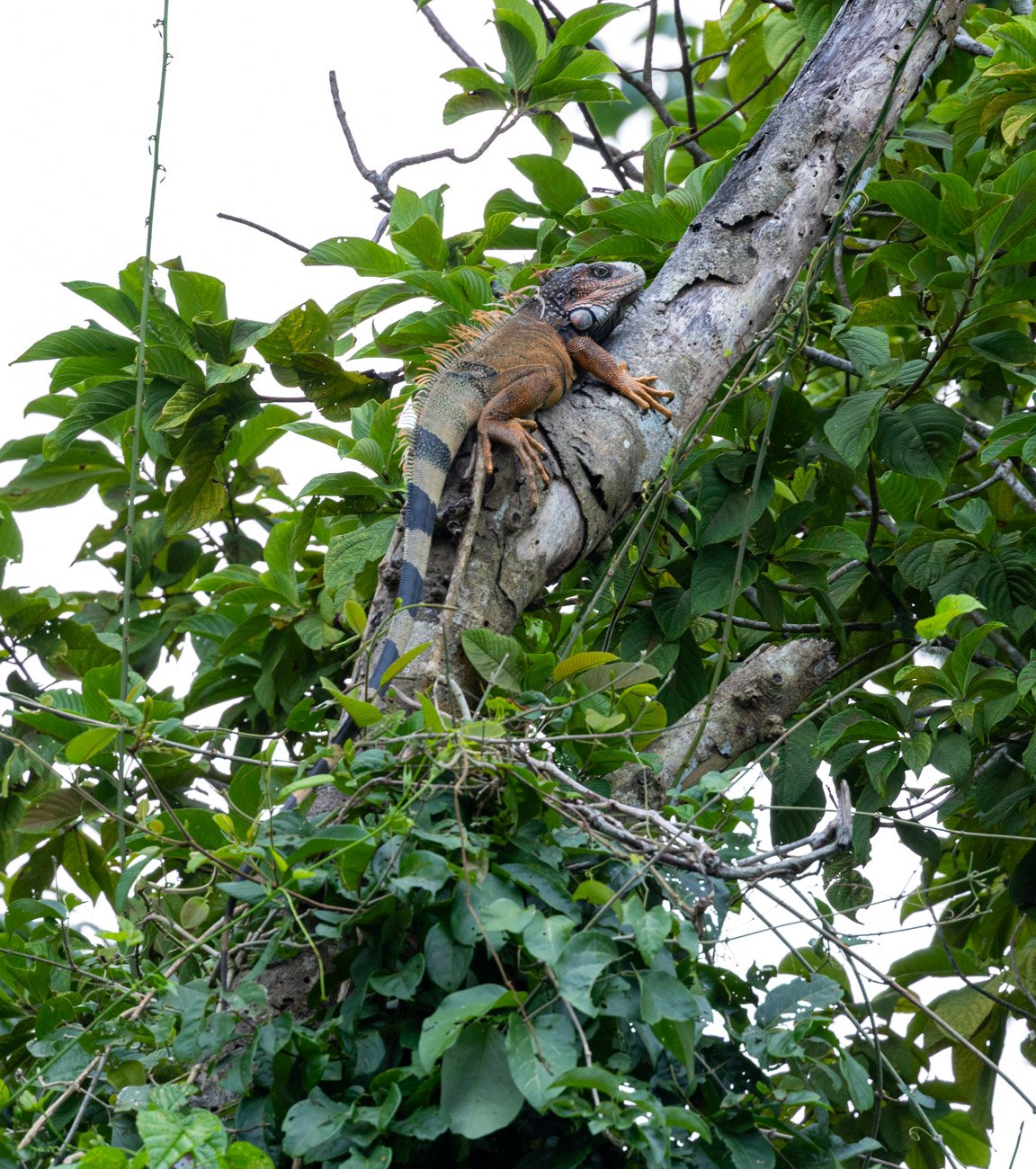
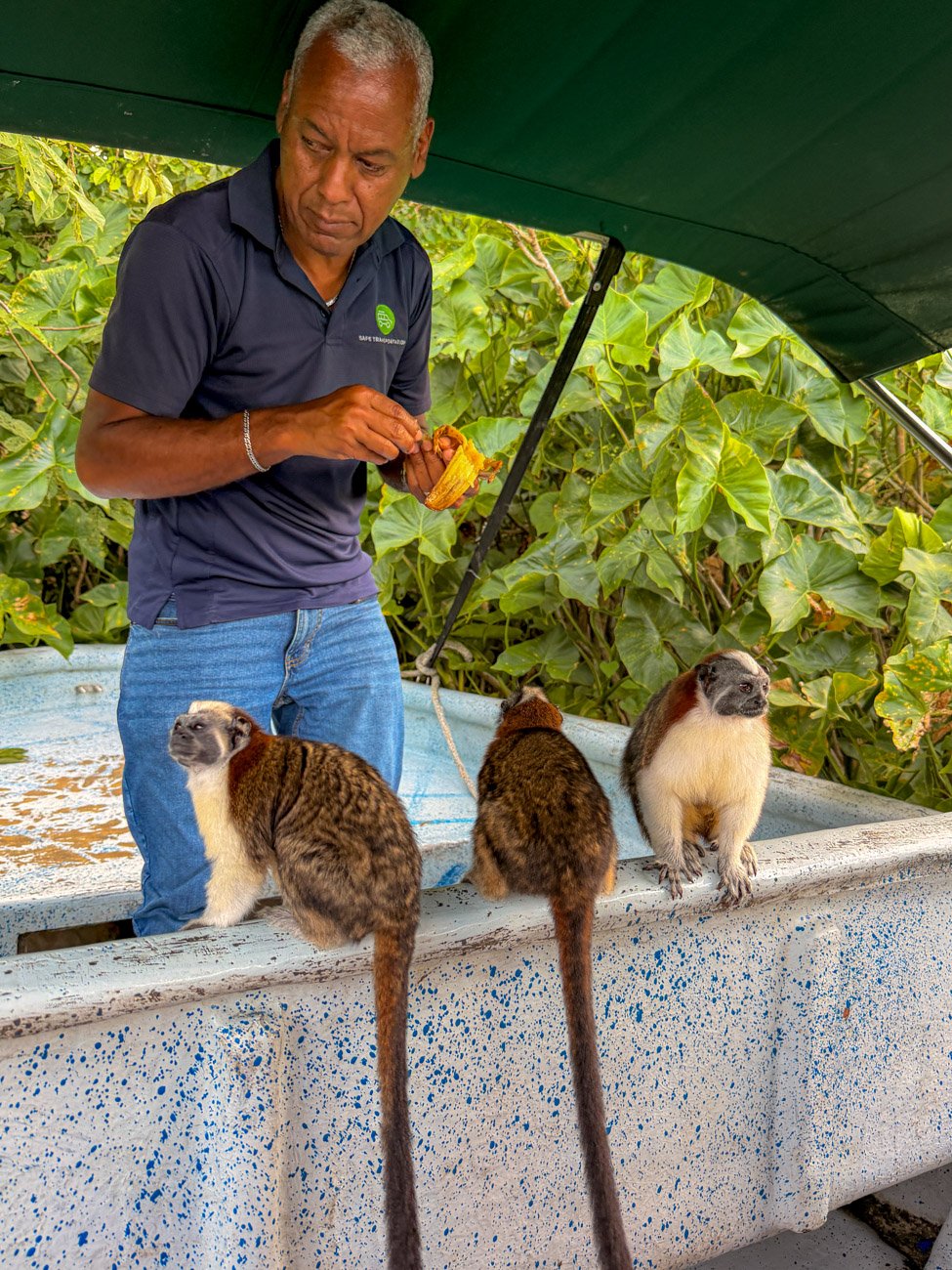
Afterwards, the trip focuses on spotting wildlife. They know all the places to stop at the try to spot and feed the wild monkeys. We came across two species of monkeys on the trip, the Panamanian tamarin and the capuchin. The monkeys will come right onto your boat and we fed them peanuts, banana, and grapes straight from our hand. We also spotted a sloth high in the trees, several iguanas, tucans, and proboscis bats all lined up on the underside of a tree. We would recommend the afternoon tour if possible because the sunset light was excellent as we were returning on the boat.
Back to Top
Day 2-3: Amazon Adventures
We landed in Manaus, Brazil, the heart of the Amazon River, just after 2am. With little sleep, we passed through immigration. For Brazil, you need to apply for your visa online ahead of time, but once you have it, it is good for 10 years. Ubers were readily available (and cheap!), and we soon were at our hotel ready for a few short hours of sleep. We chose the Mural Living hotel for its price point and 24 hour check-in desk. Our room was simple but suitable and we slept until 7am when we had to wake for breakfast and our pickup for the Amazon tour.
For the next 2 days, we ventured out to explore some of the main sights of the Rio Negro and Amazon rivers. We had a small group with only 4 of us on day 1 and only us on day 2. Our tour operator, Amazon Private Tours, was professional, organized and highly enjoyable. Read below to see the specifics of each day!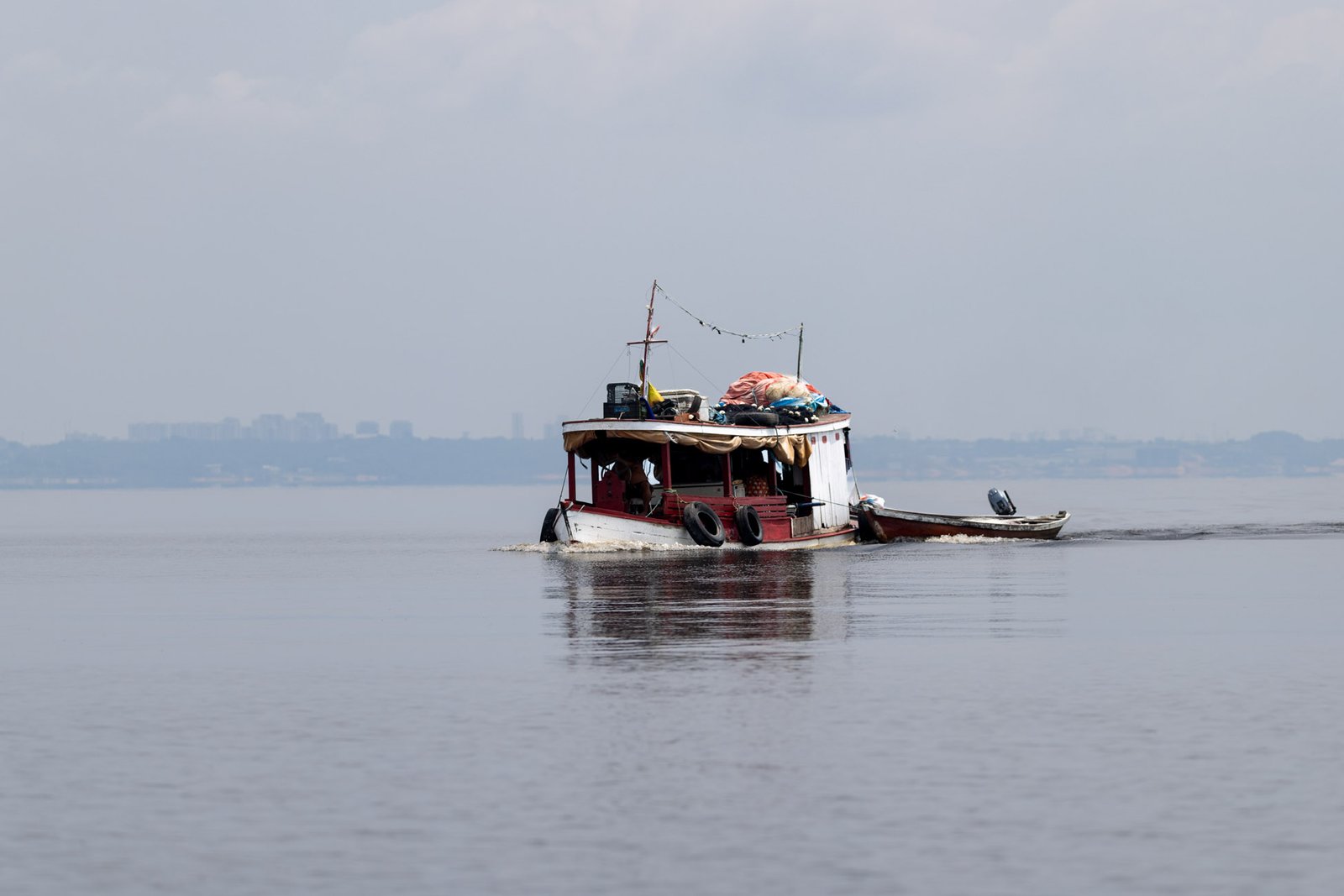
Amazon Tour - Day 1
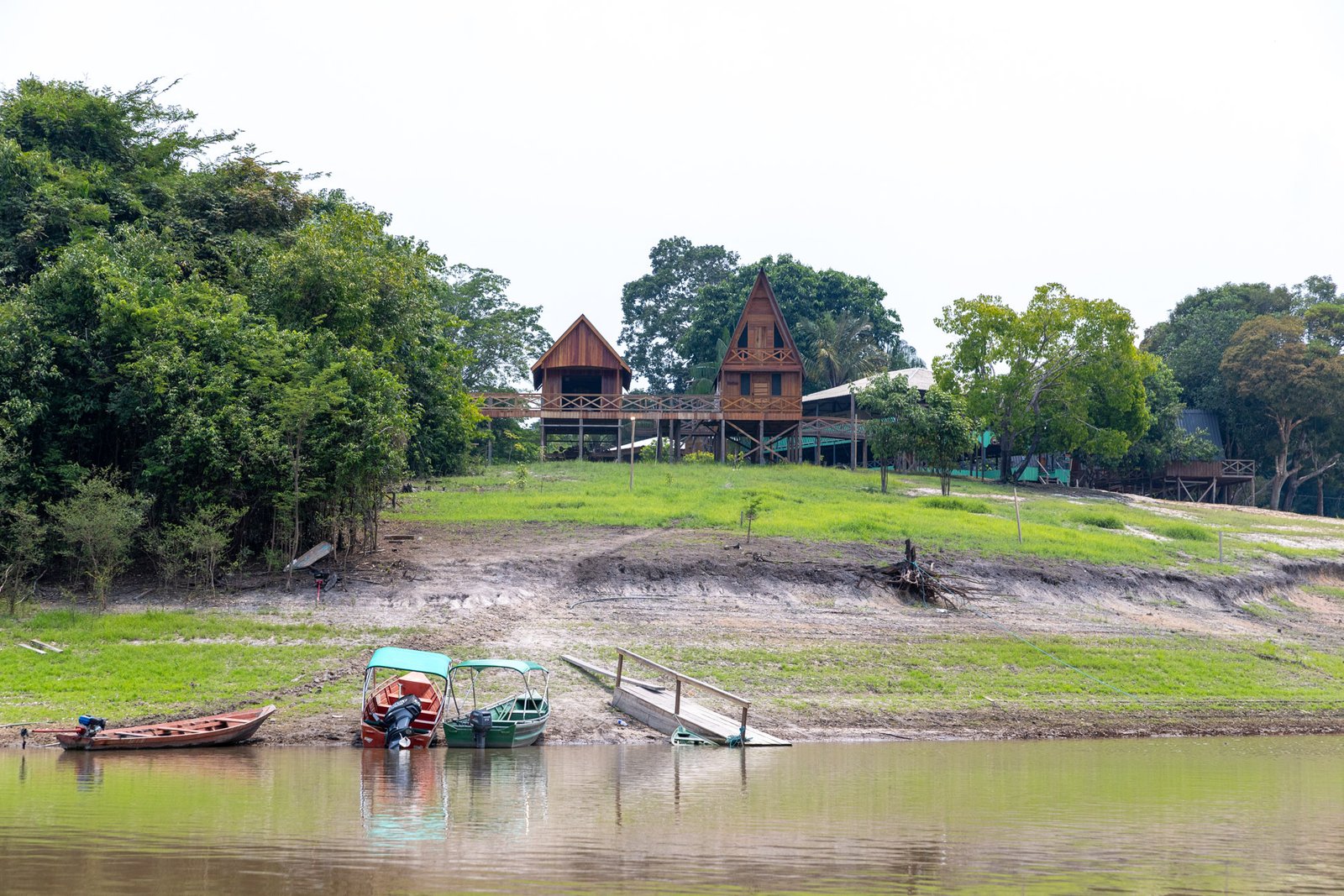
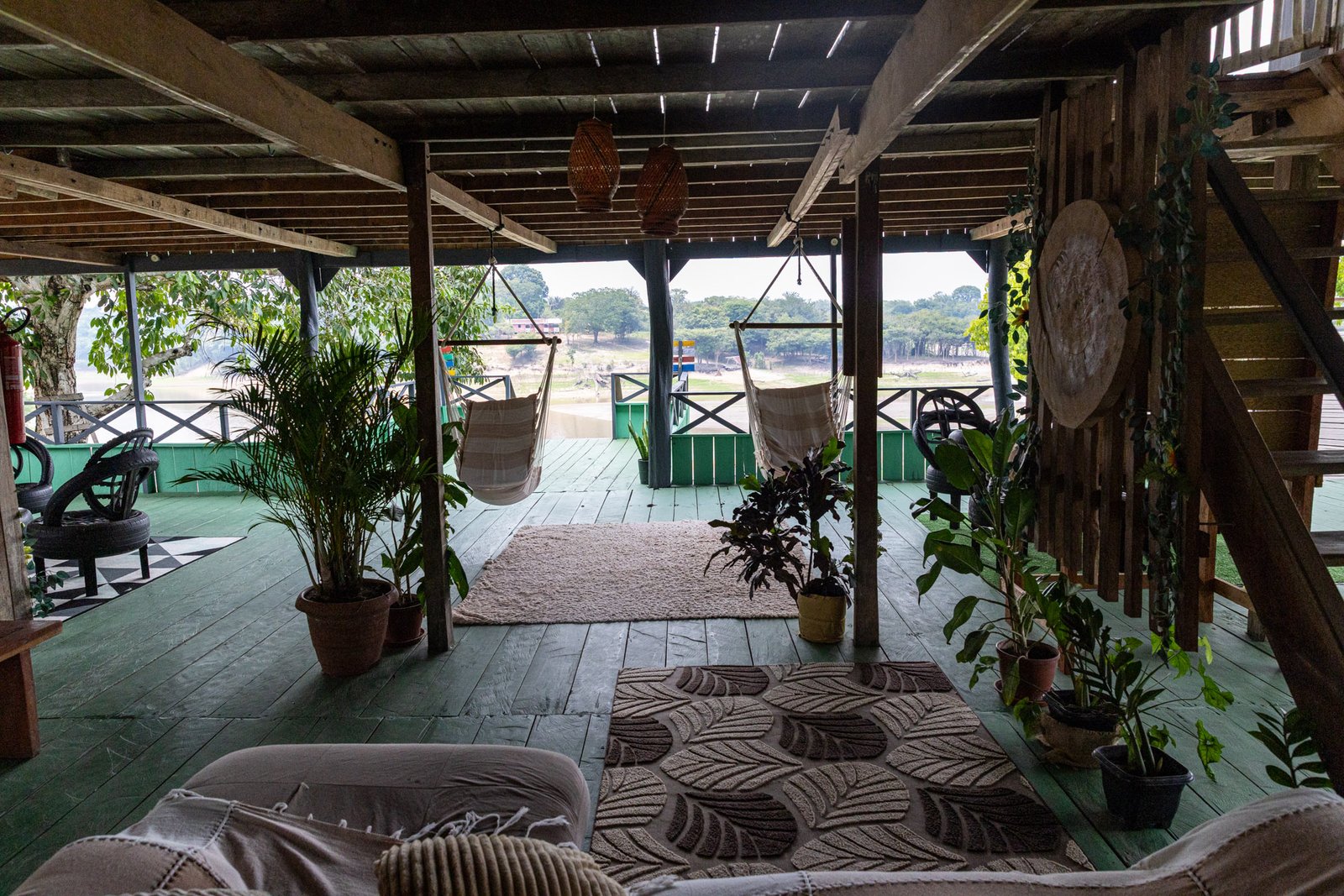
Our tour picked us up at the hotel and we joined a van full of people for an hour drive to the river access. Luckily, from there we were split into 1-day trippers and 2-day trippers, our group being the smallest at only 4 people. We highly recommend taking the overnight tour if you have the time! We boated up the Rio Negro for another hour to reach the property where we would stay overnight. They have a handful of bungalows and a relaxing lounge area. We were excited that the bungalows even had AC and flush toilets, proper luxury, as the weather was extreme heat and humidity!
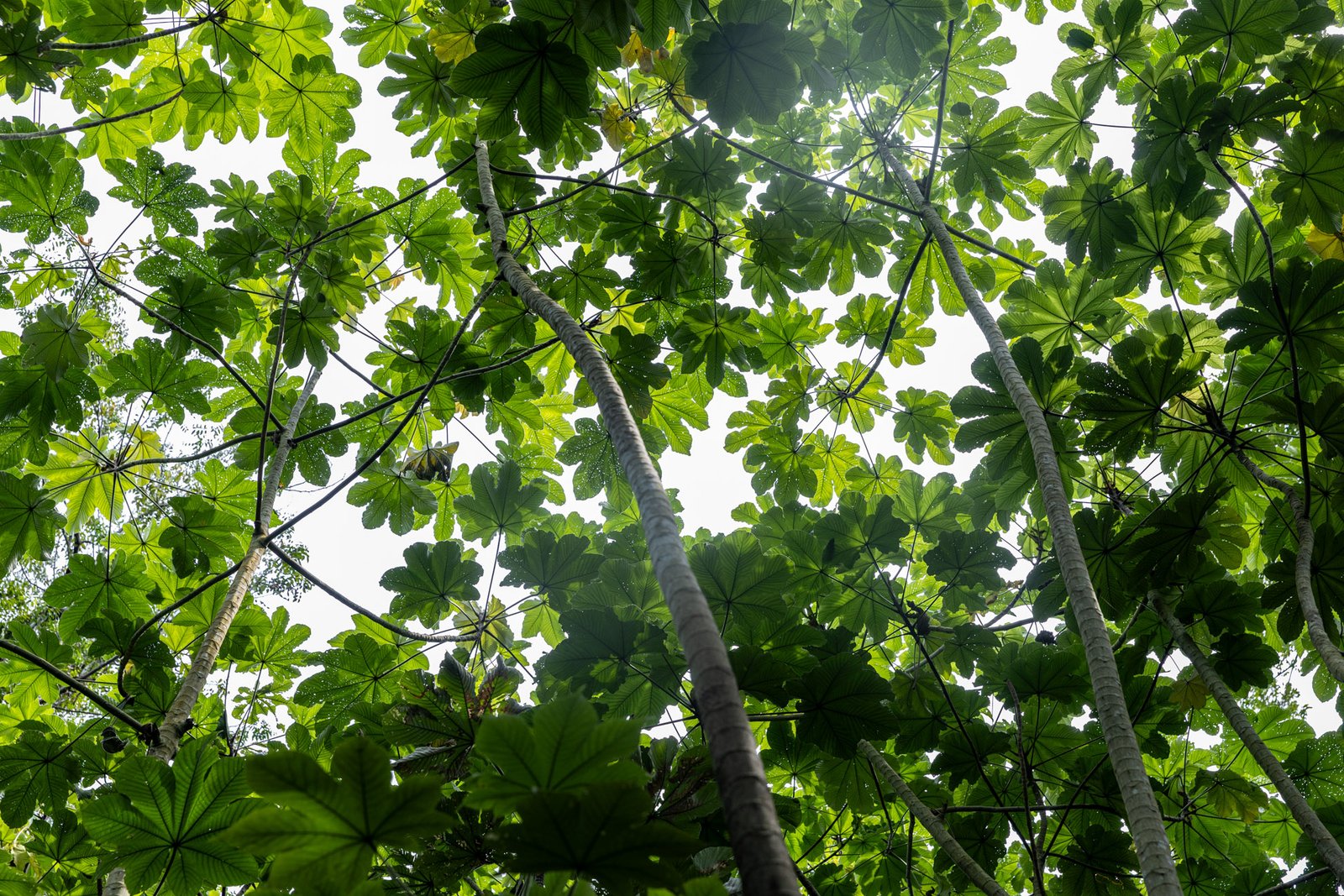
Our first activity was to take the boat to an area where we took a ~90 minute hike into the jungle. Our guide, Arthur, showed us several plants and trees that were used for medicinal purposes or for food. The jungle was a bit less dense than we would have imagined but still a fun experience. It was hot though, and we came out very sweaty!
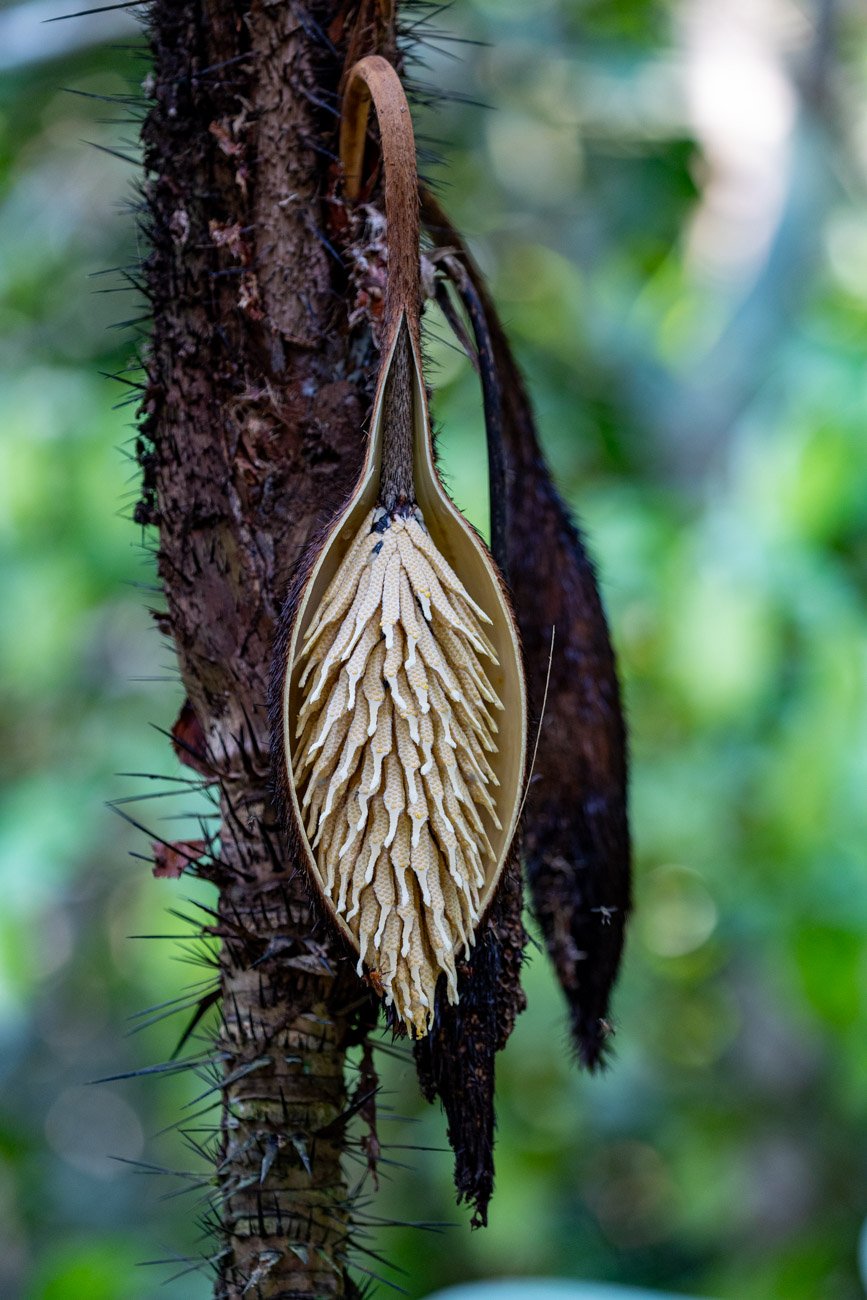
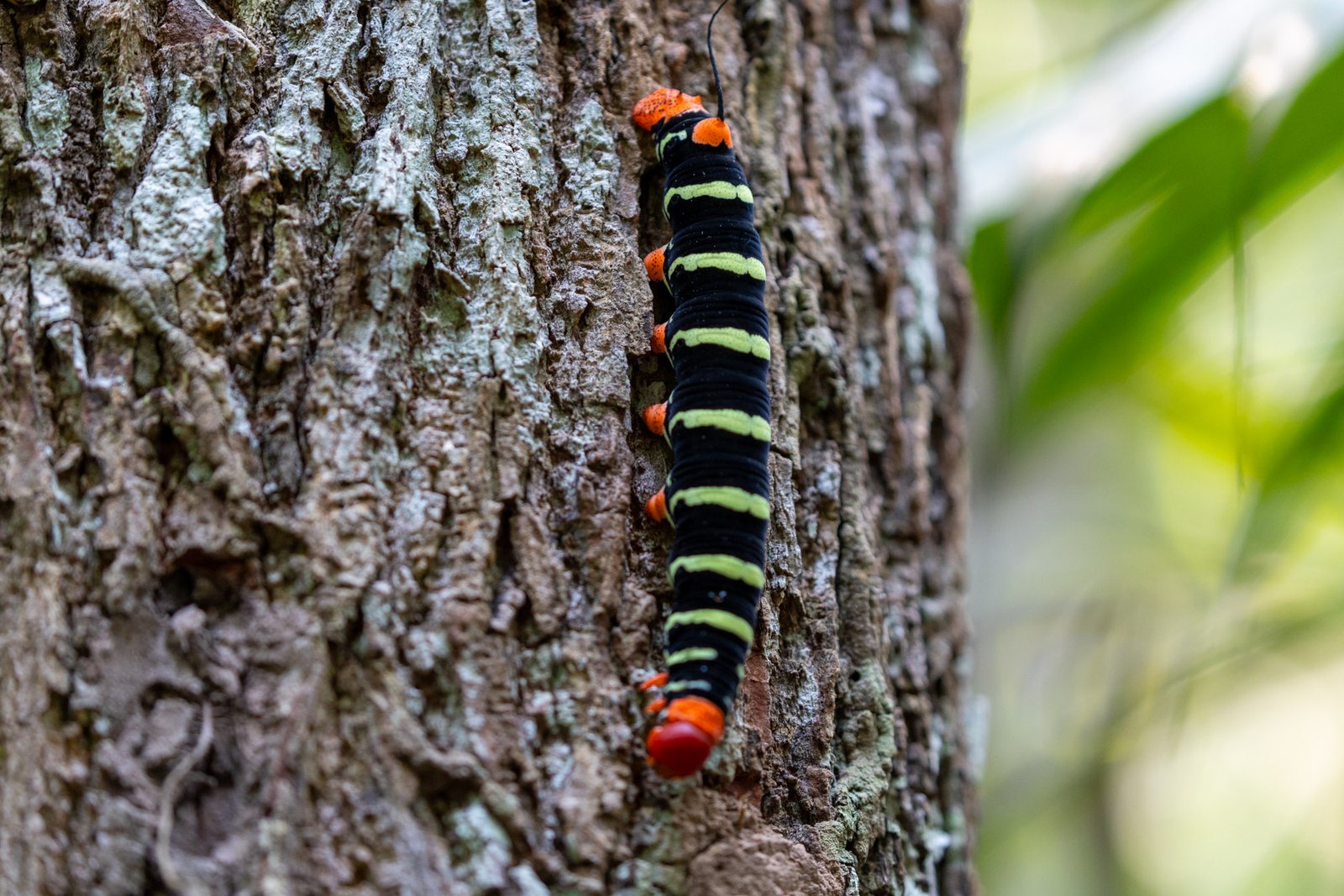
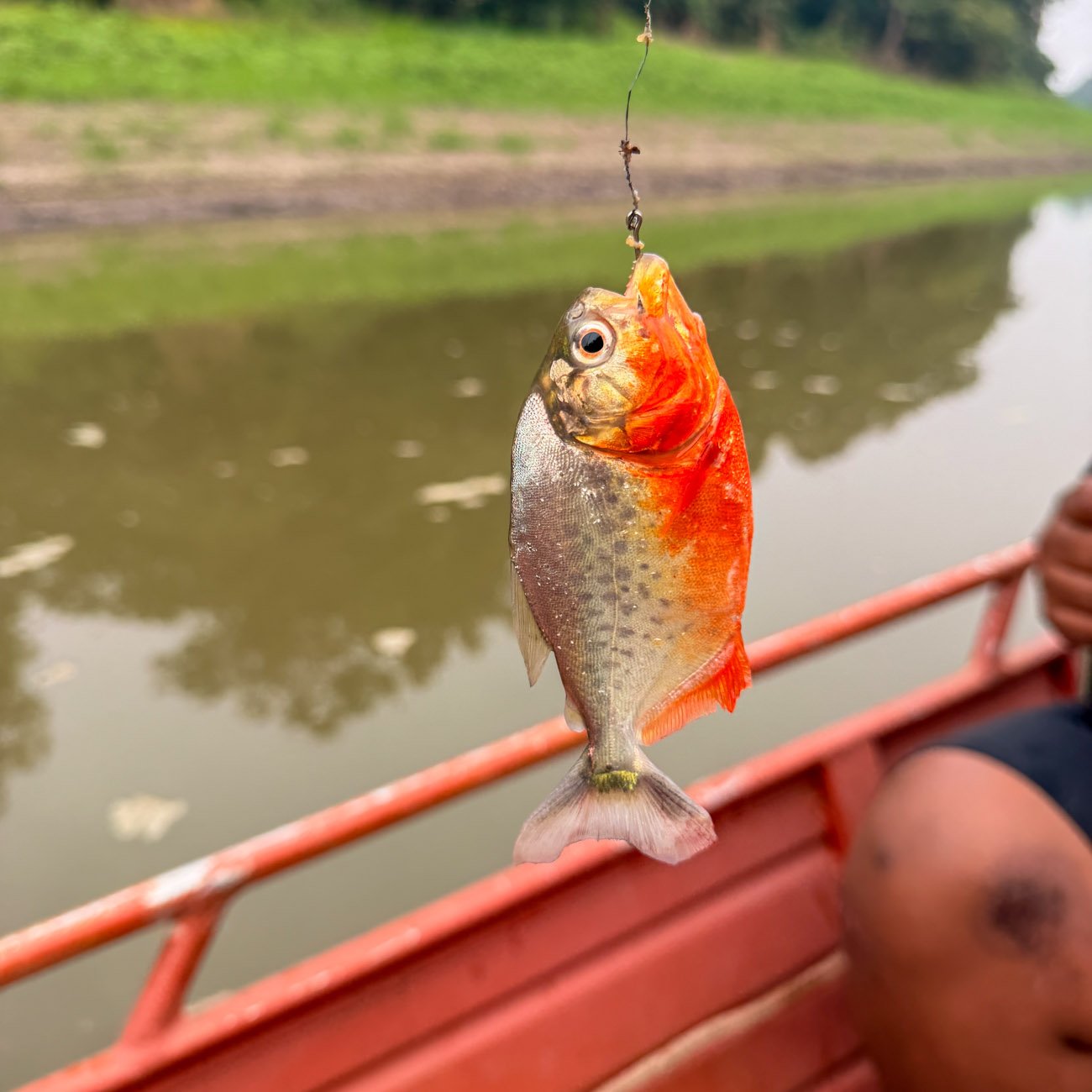
After the hike, we returned for a lunch of fresh fish, rice, bean soup and fruit at the lodge. After a short rest in the AC, we went out for a few more activities. First was the piranha fishing. We navigated to a small tributary where we were given stick poles and used raw chicken as bait to catch the piranhas. The piranhas gobbled up the meat almost as soon as you got it in the water! Bryan turned out to be the master fisherman caught more than everyone else on the boat. Most of the piranhas were very small but there was one keeper that we brought back to add to dinner.
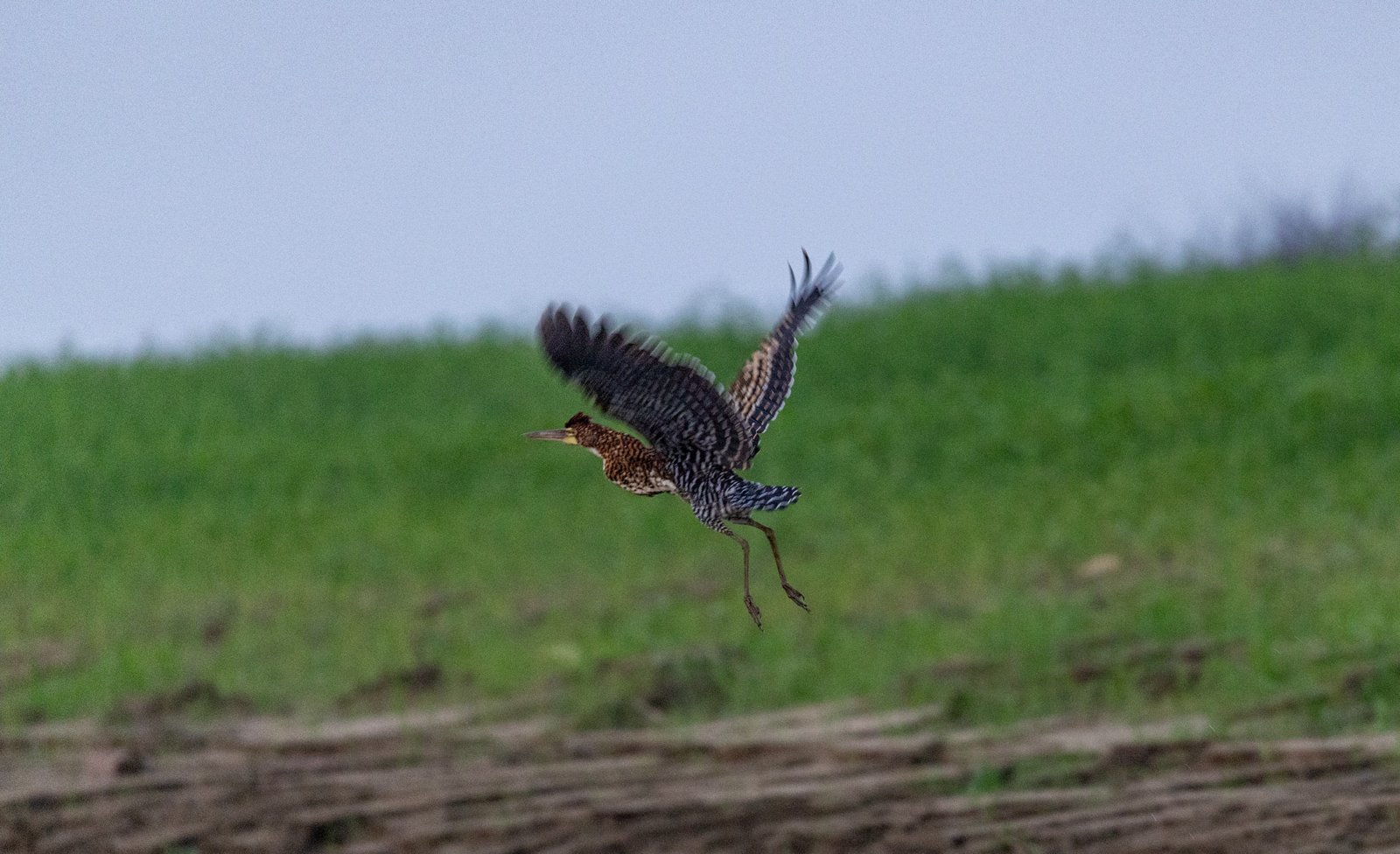
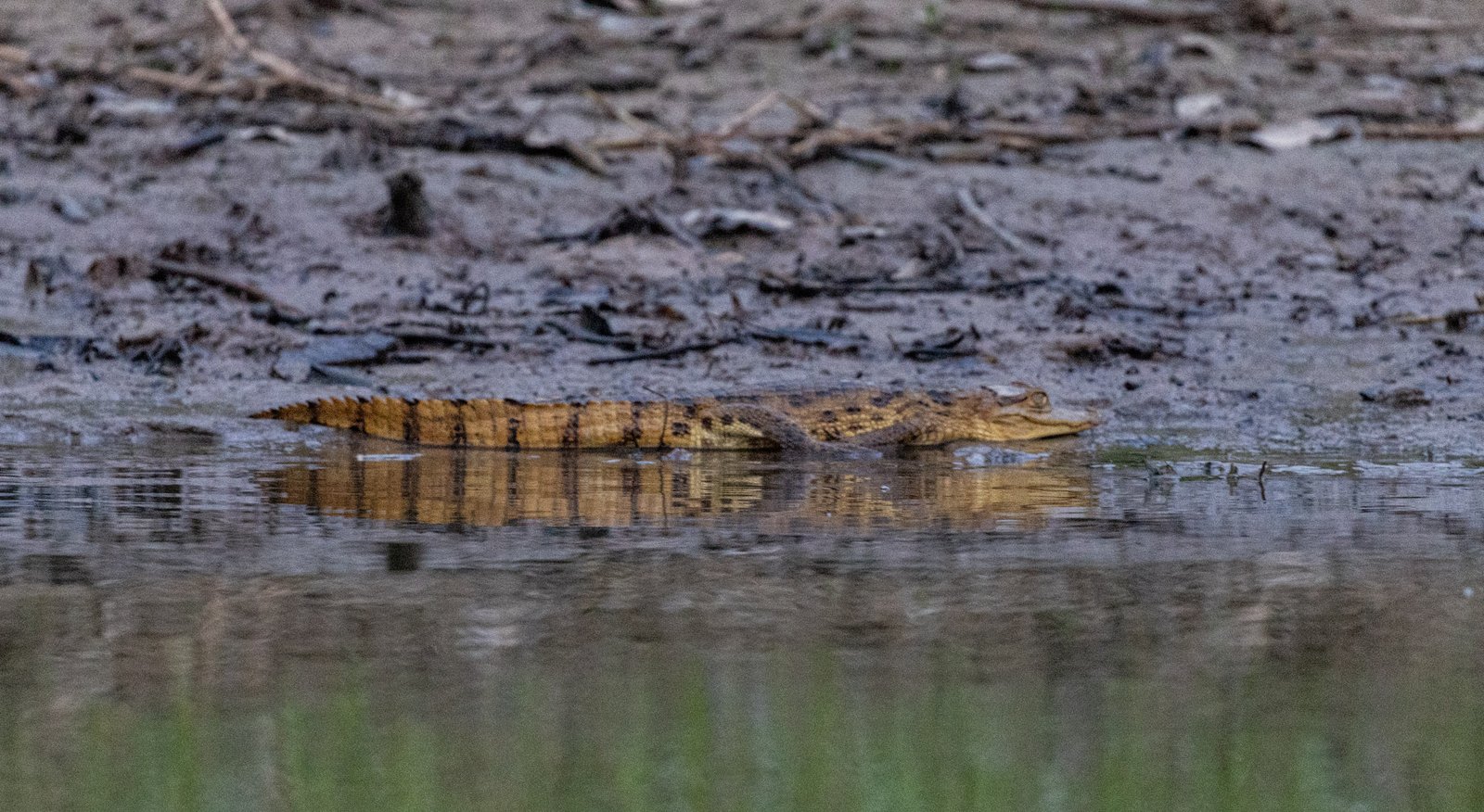
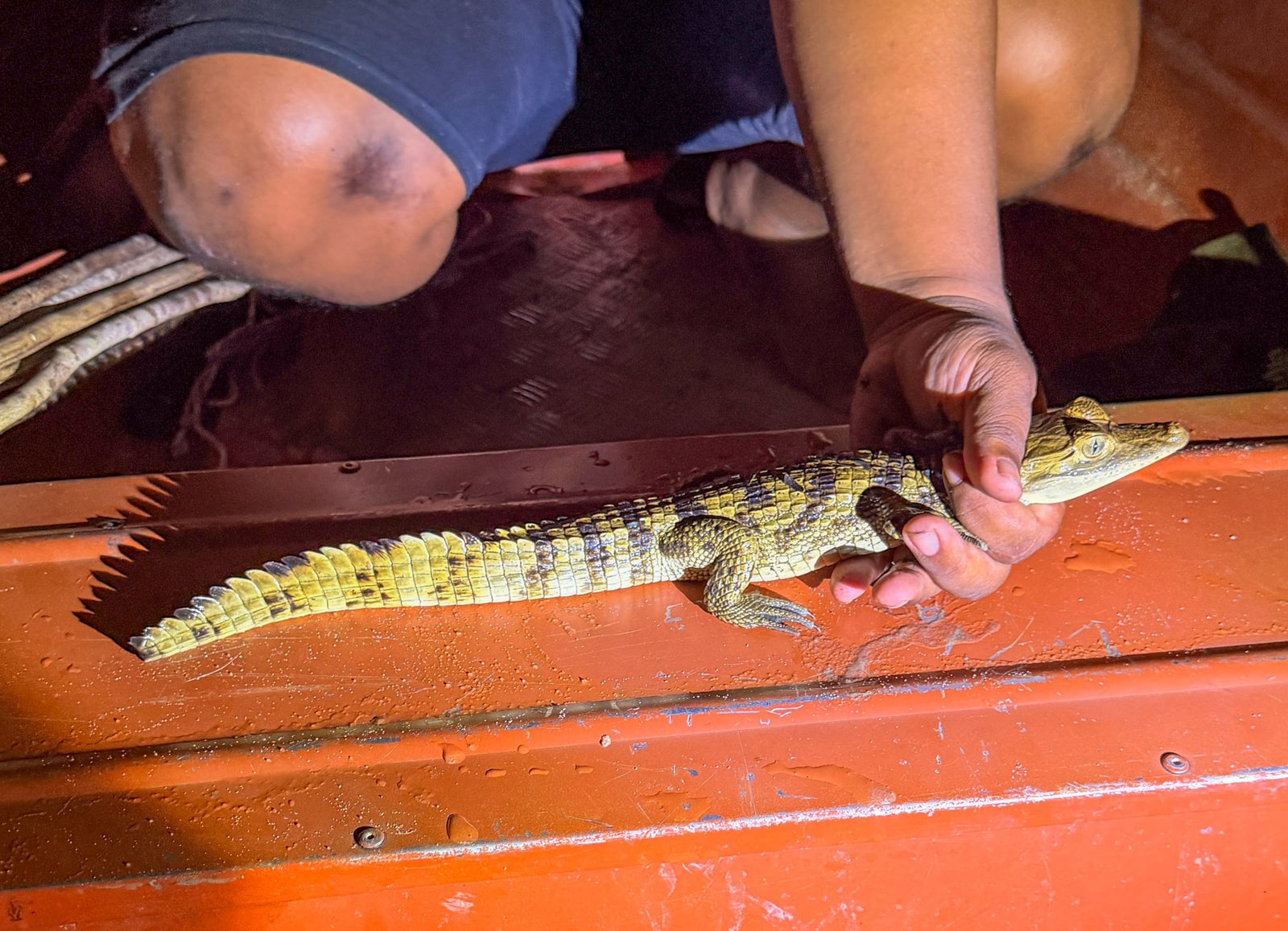
As night fell, we set out hunting for caymans. Using a flashlight, our guides scanned the banks of the river to look for their eyes. Our boat driver bravely waded through the shallow muck to capture a very young cayman, only a few months old. We were able to hold her and learn more about caymans while seeing her up close, which was a unique experience. Back at the lodge, we had dinner freshly prepared by the family that lives there, and then called it a night, excited for our first full night of sleep.
Amazon Tour - Day 2
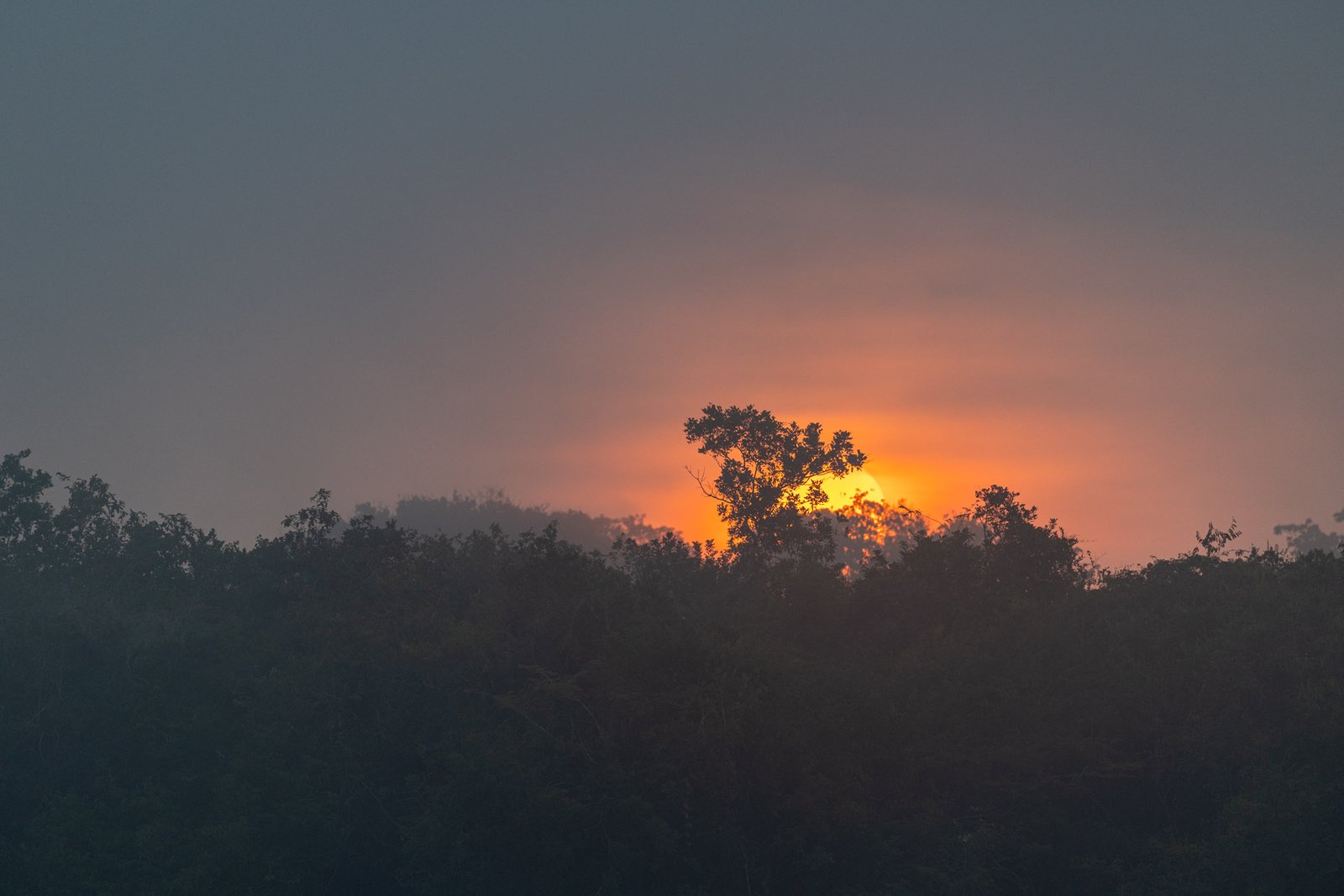
We reluctantly agreed to wake early to catch the sunrise at 5:30am. Arthur knocked on our door and we got out of bed and into the boat. We didn't have to wait long before the sun was rising over the Rio Negro. It was a good start to our 2nd day on the river. Back at the lodge, we rested a bit and had breakfast at 7am. The other two people in our group were staying for another night so we split up again and had all of day 2 to ourselves. Our boat driver took us to meet another boat and our new guide, Dennis, who turned out to be amazing and full of energy and information. We recommend asking for Dennis if you decide to go with Amazon Private Tours!
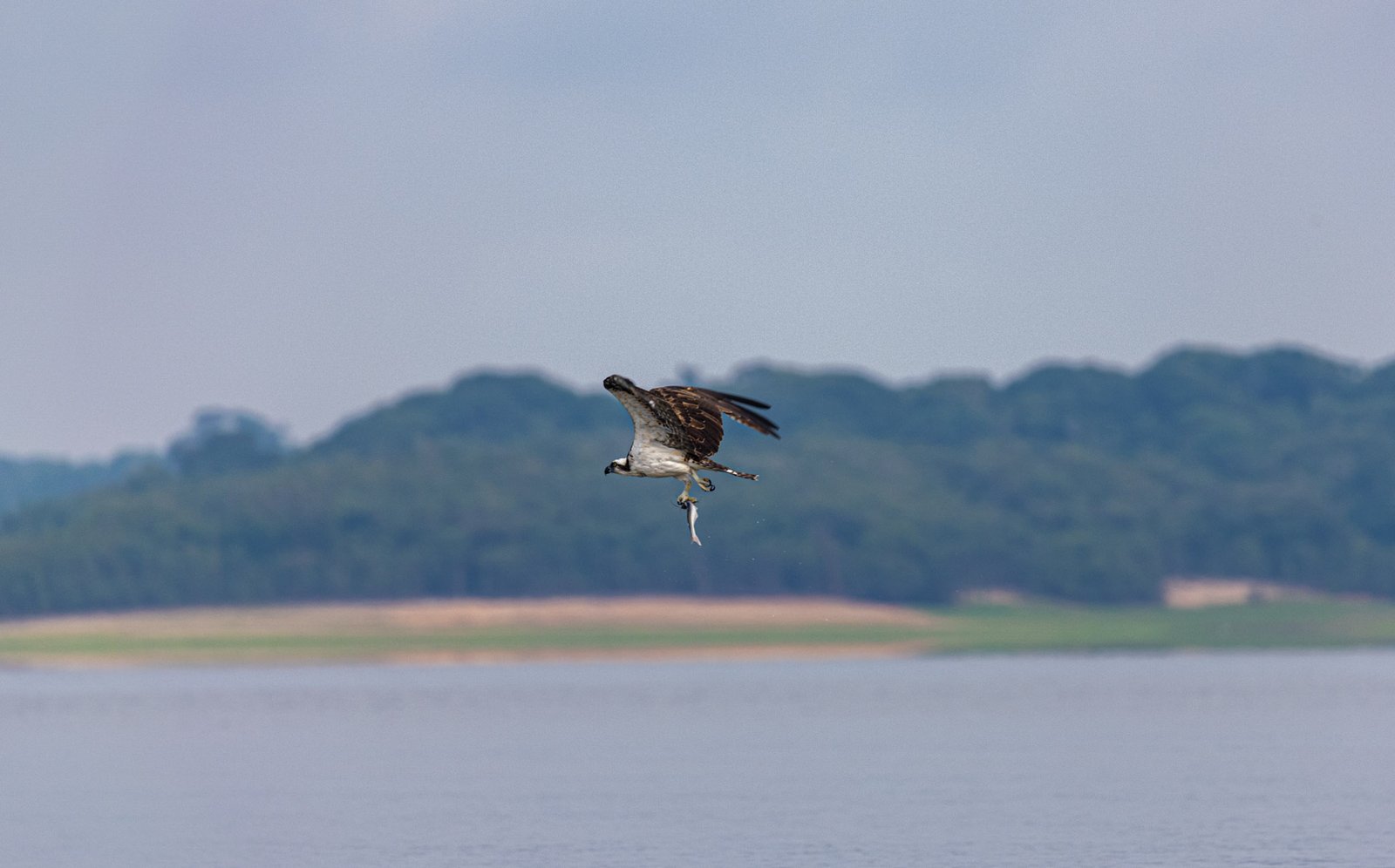
Our first stop was to visit and swim with the famous pink river dolphins. There are two species of dolphins in the river, and the pink ones are semi trained to come to a particular spot to be fed. We saw plenty of the gray dolphins also while out boating along the river. We were able to get into the water to swim and experience the pink dolphins up close. They were so soft and huge! The pictures are unreal and make them appear almost fake.
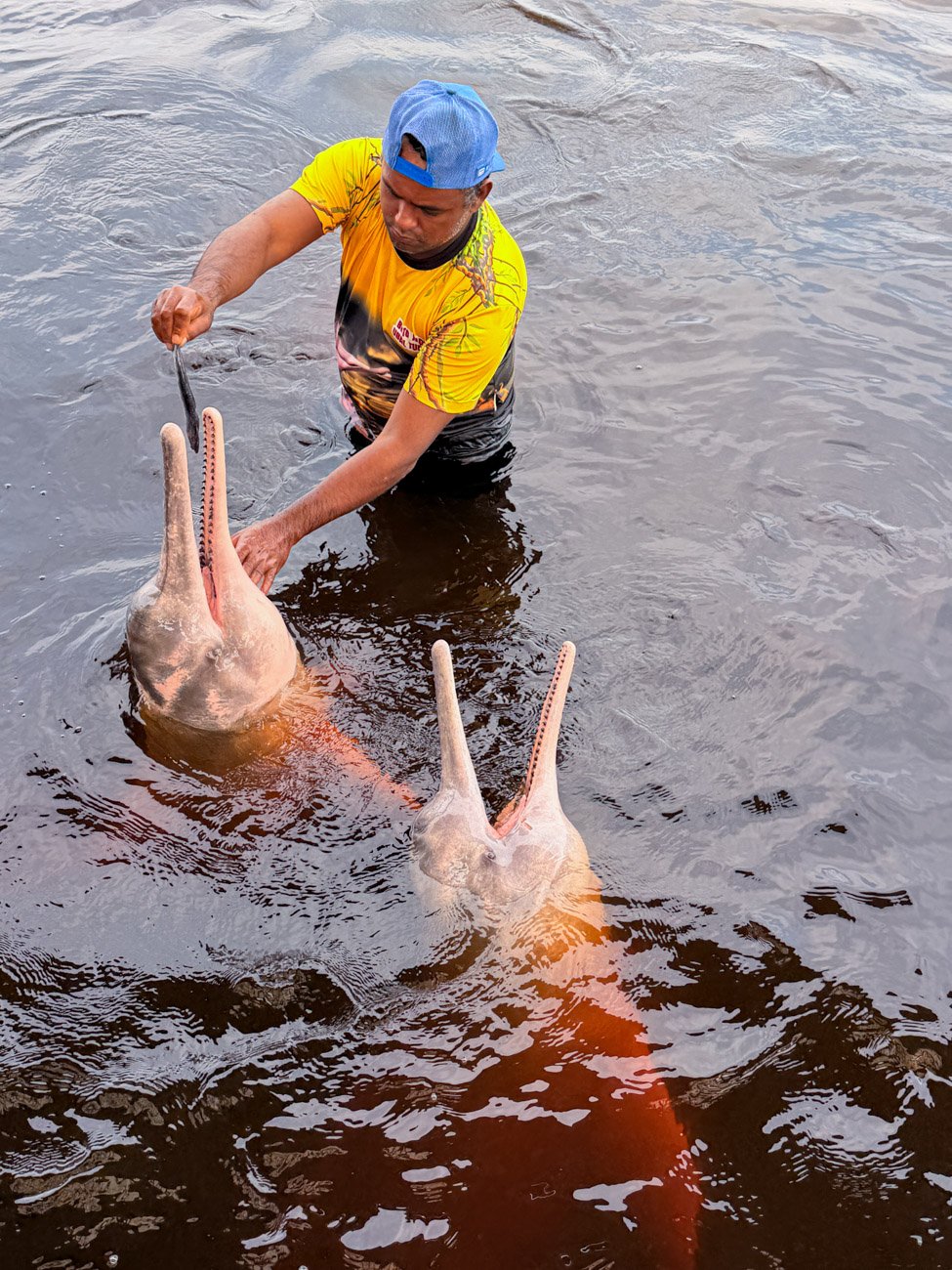
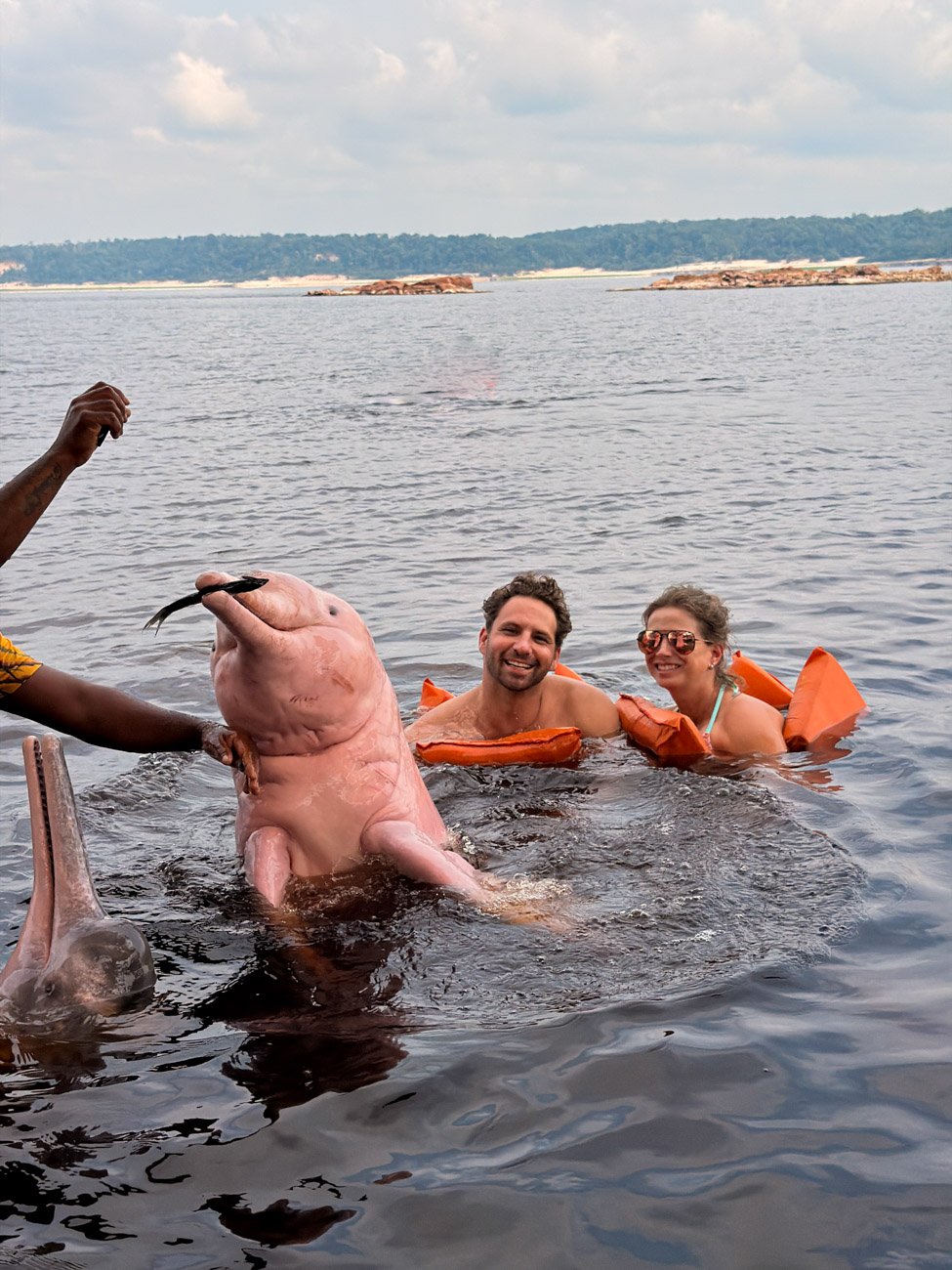
Next, we visited an indigeous village where a local tribe lives every day and has agreed to welcome visitors. Sometimes things like this can feel artificial, but we felt that they were truly welcoming. We met the chief who explained to us about their language and culture (translated by Dennis). We sat in their meeting hall and watched as many participants from the tribe performed ceremonial dances. Each one came with an explaination and impressive use of their native instruments.
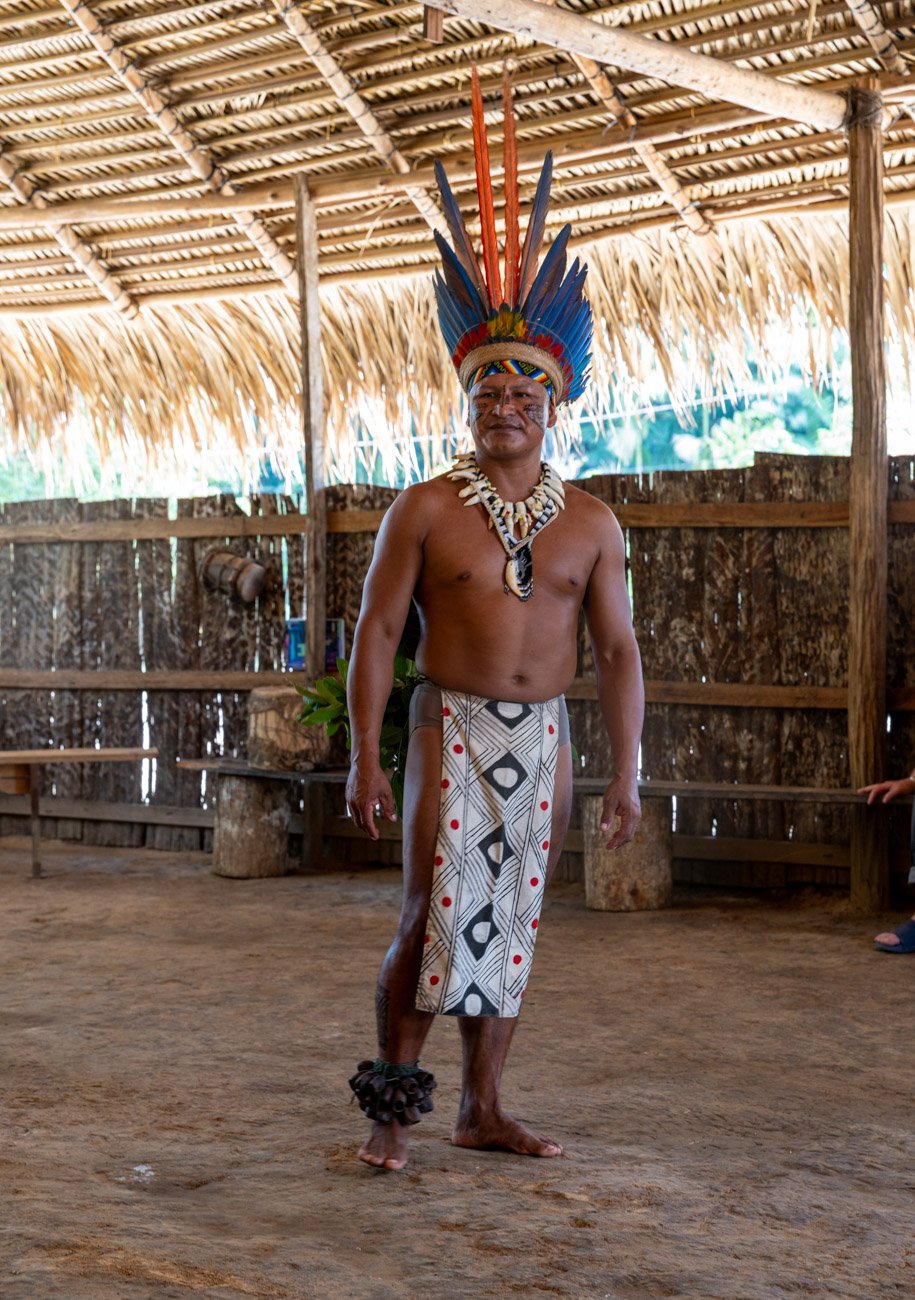
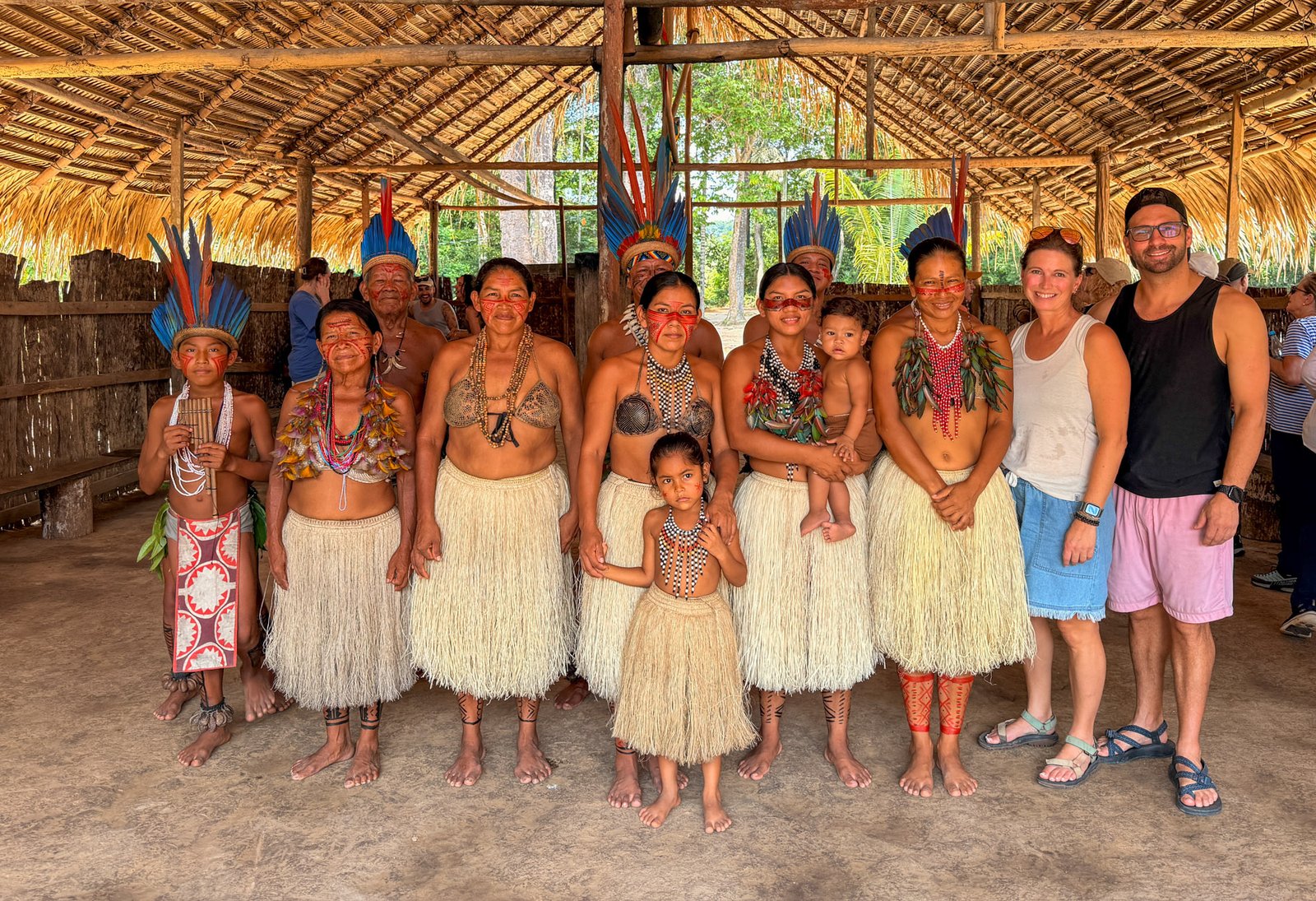
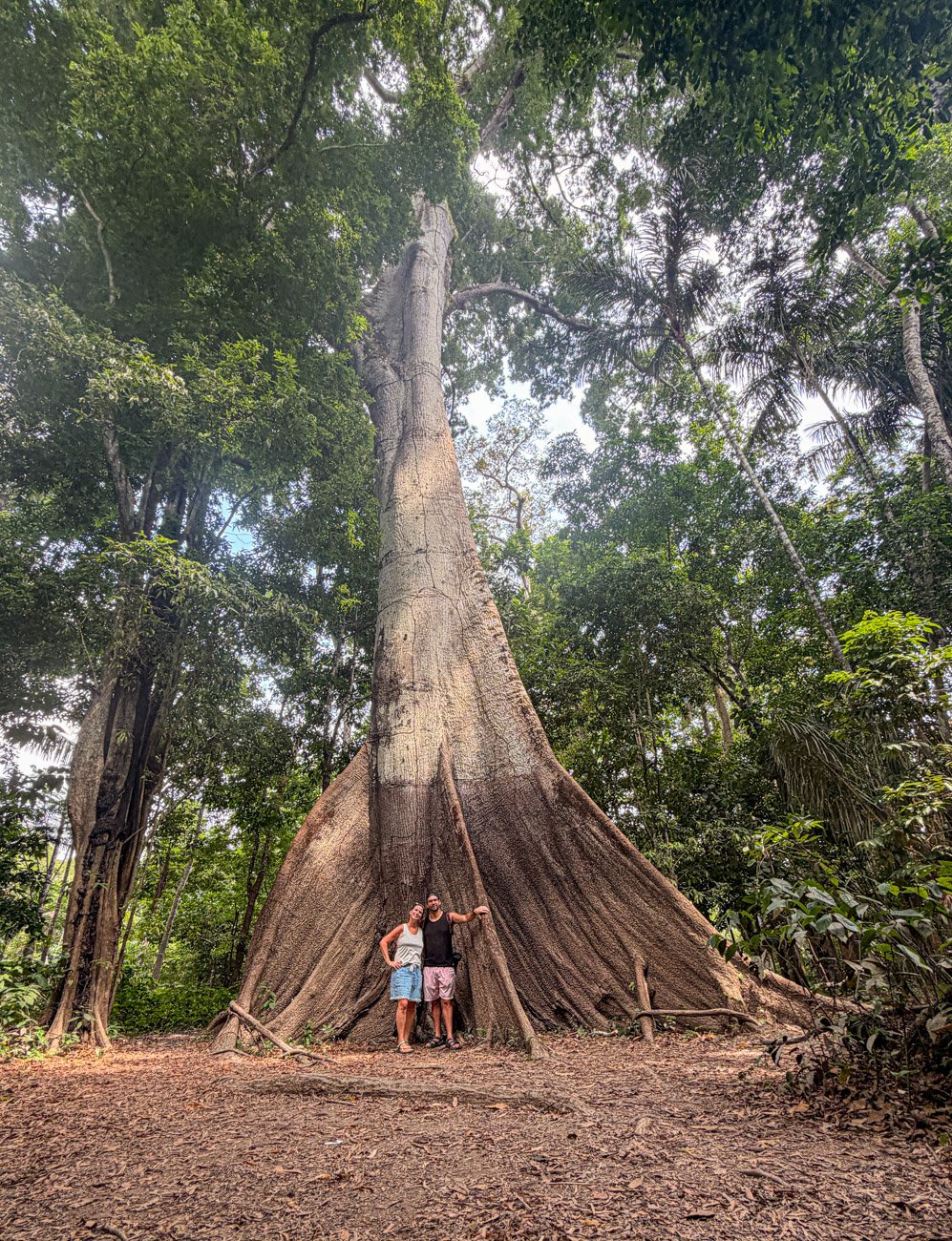
We boated down the Rio Negro back past Manaus and docked at a floating restaurant for lunch. Afterward, Dennis took us on a walk 10-15 minutes into the jungle to see some giant Samaúma trees. We were the only ones on the walk and the quiet jungle trail was very peaceful. Dennis stopped to explain a few things and spotted a green vine snake on one of the smaller trees. The giant Samaúma trees were ~200 feet tall with giant wing-like roots.
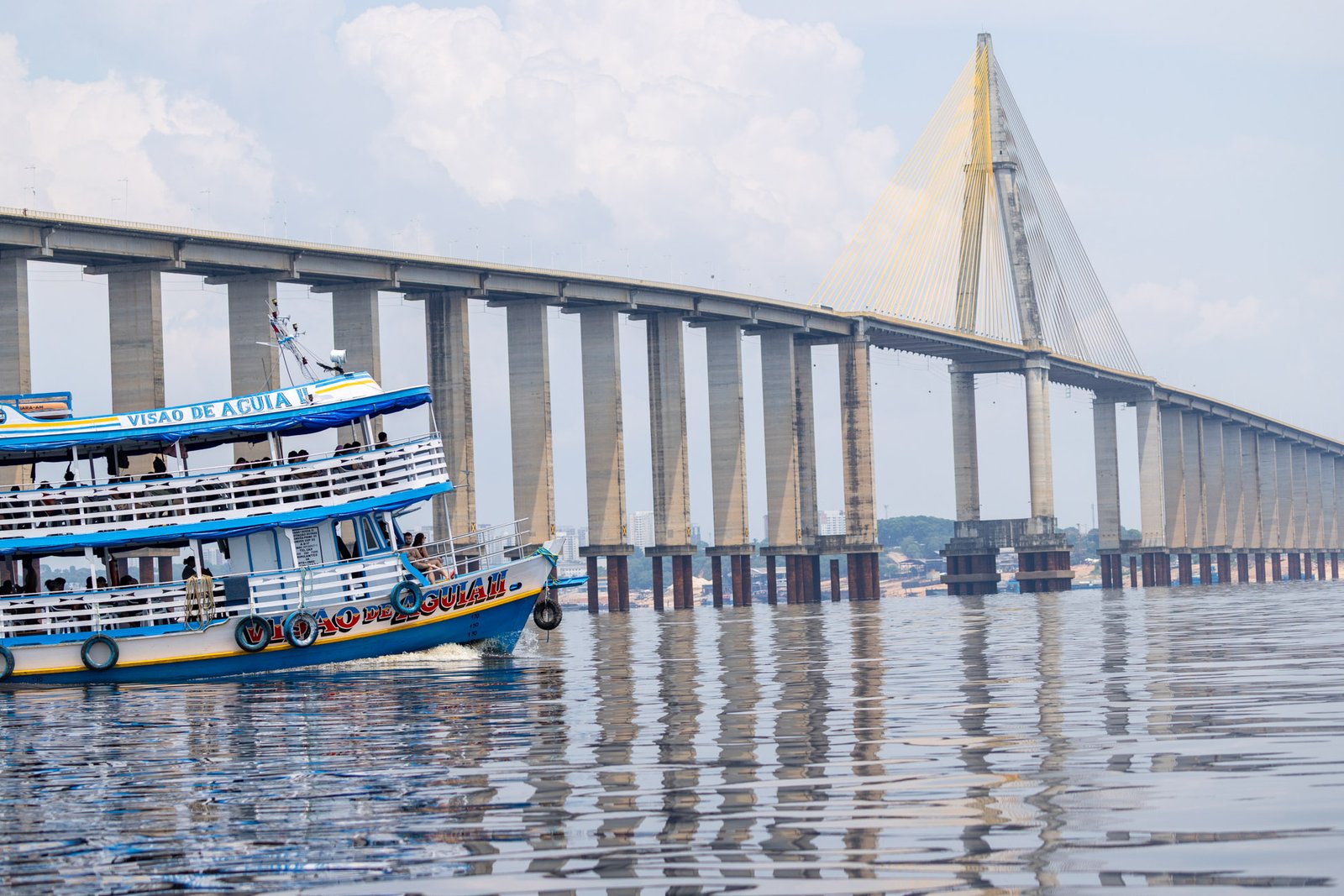
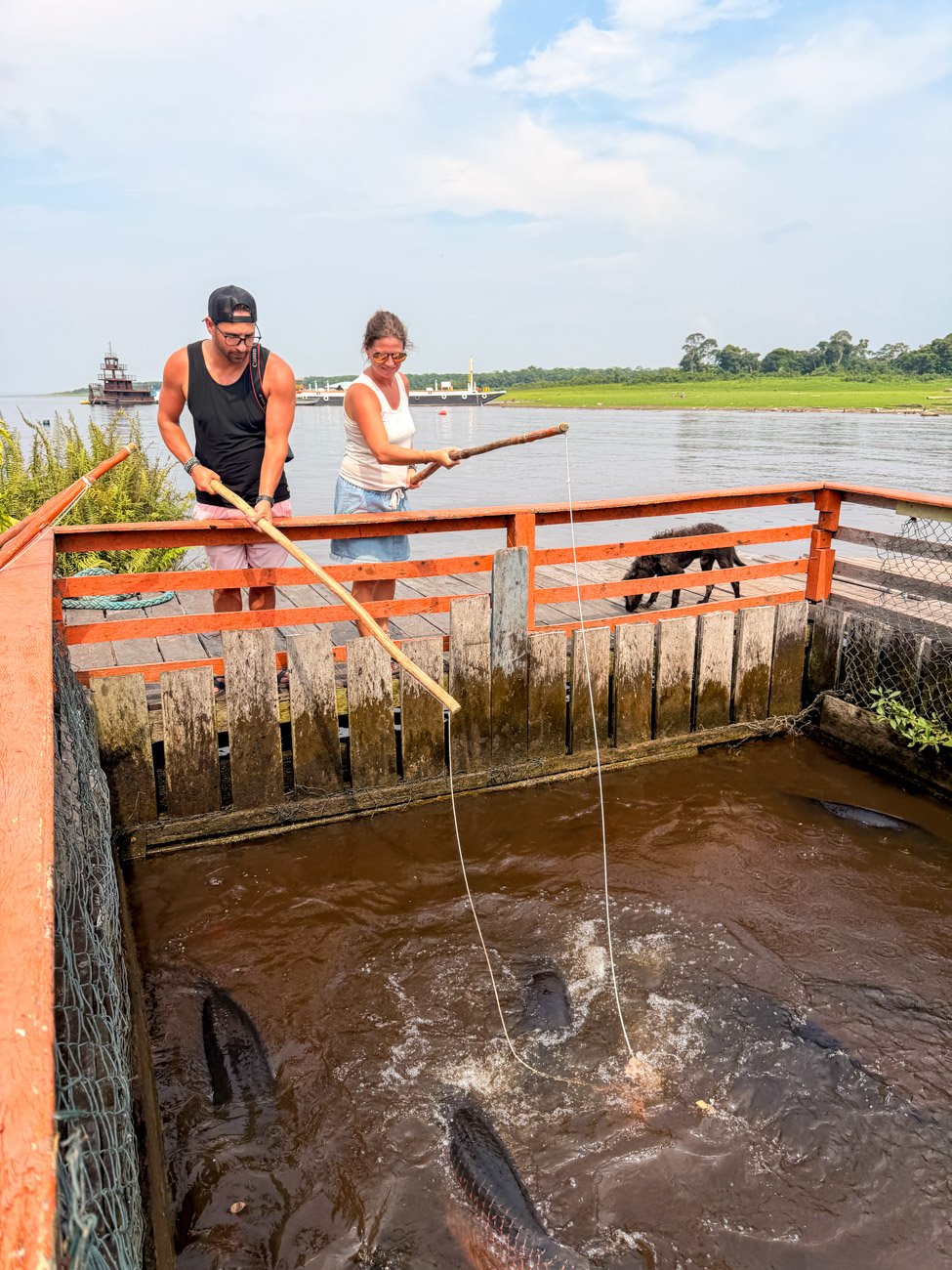
Next, we visited one of the many Pirarucu fish farms. Run by a local family, they are raising Pirarucu, one of the largest scaled freshwater fish in the world. They were indeed giant! We tried our hand at feeding them using smaller fish for bait on a wooden pole. They attacked immediately and you had to hold on tight because they were extremely strong!
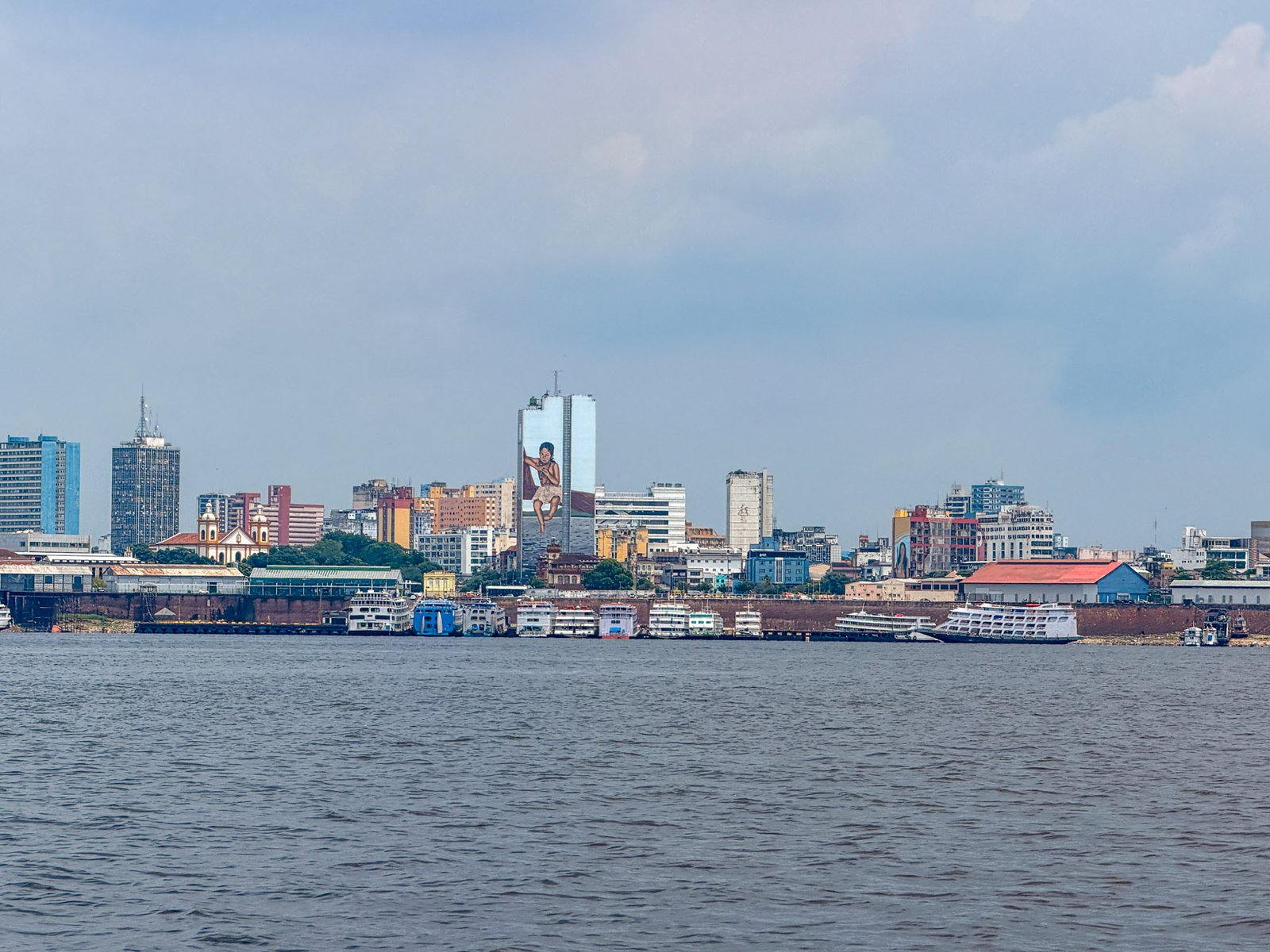
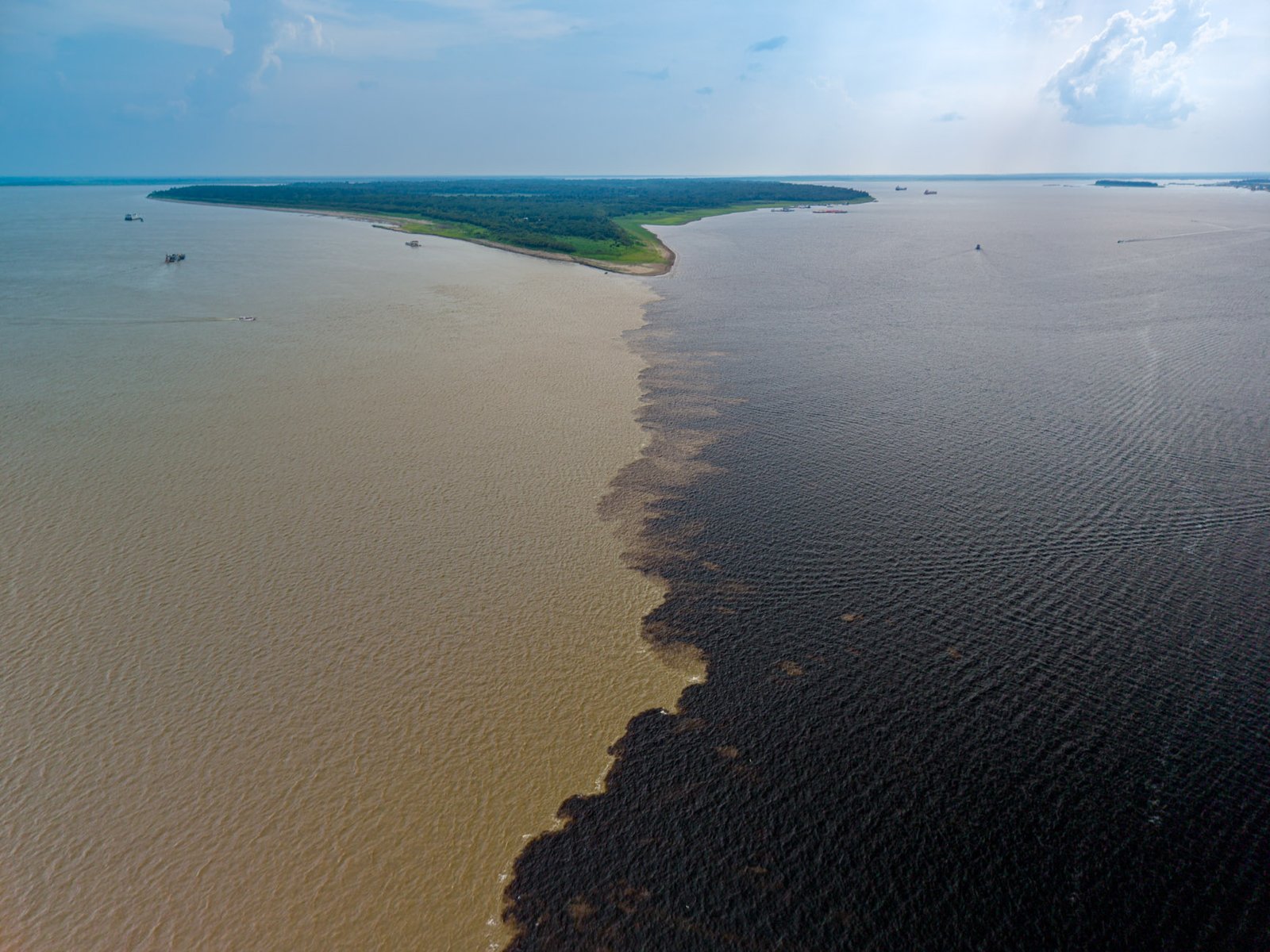
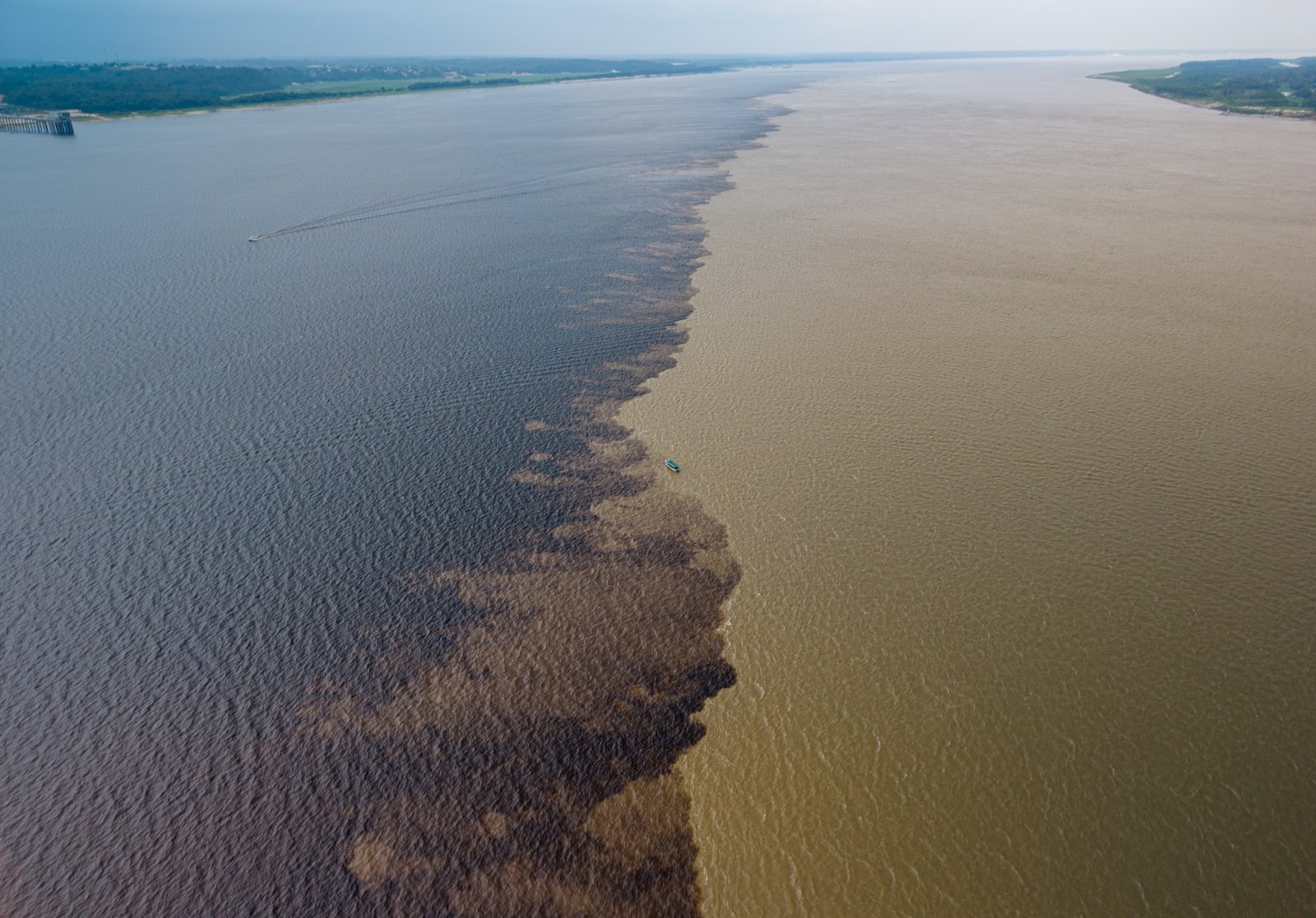
Our final activity, we went to see the famous meeting of the waters where the Rio Negro and Rio Solimões (the upper Amazon) meet to form the Amazon River. Here, you can clearly see the darker Rio Negro water meet alongside the browner Rio Solimões water where it takes roughly 4 miles for them to mix together. We were able to fly the drone which was really the best way to appreciate the meeting of the waters.
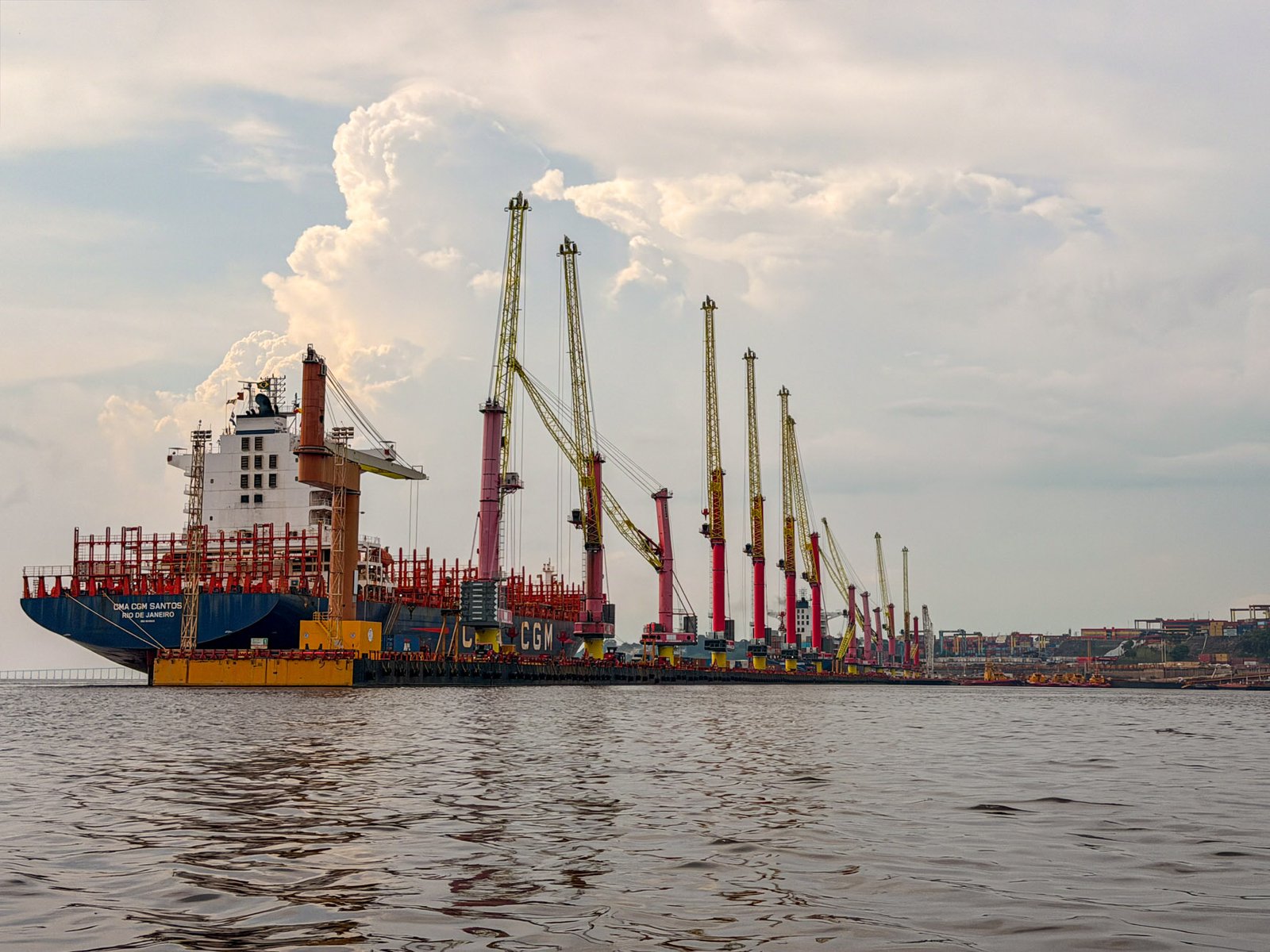
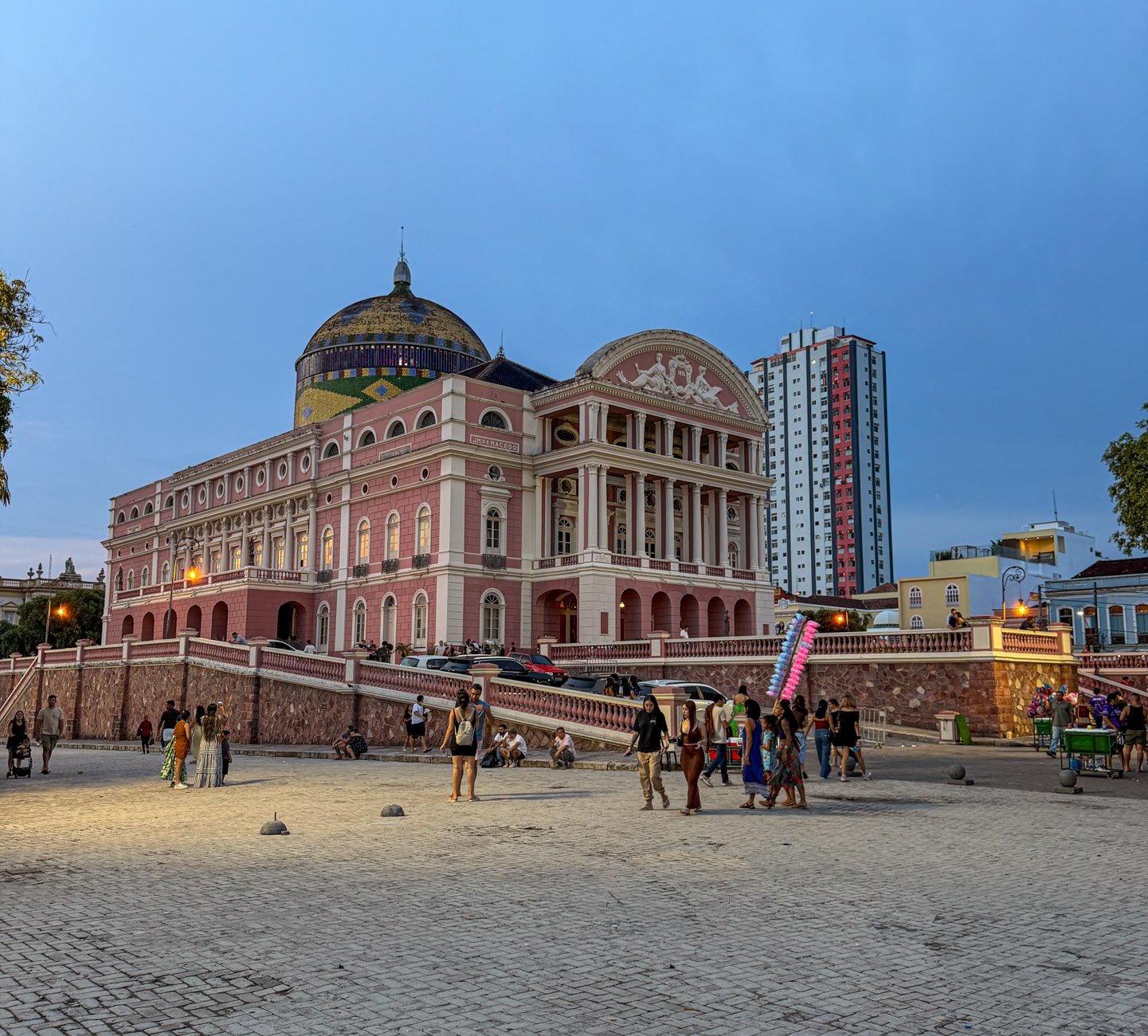
We cruised along the industrial side of Manaus and back to the port where we met the car to take us to our hotel for the night, Casa Perpetua. Located only a block from the Manaus theater and square, the hotel was a cute B&B in an old colonial mansion. We ventured out for pictures of the theater and for dinner at Roseiral Restaurant where we had some appetizers and seafood curry. Nearby was a bar street where vendors were all set up on the road selling drinks. We had to try their caiparinhas, the local drink of Brazil, made with three core ingredients: cachaça (a Brazilian sugarcane spirit), fresh lime, and sugar to top off our night.
Back to Top
Leave Us A Comment!
All Comments
No comments yet!