The Islands of Palau
1 Week in Palau
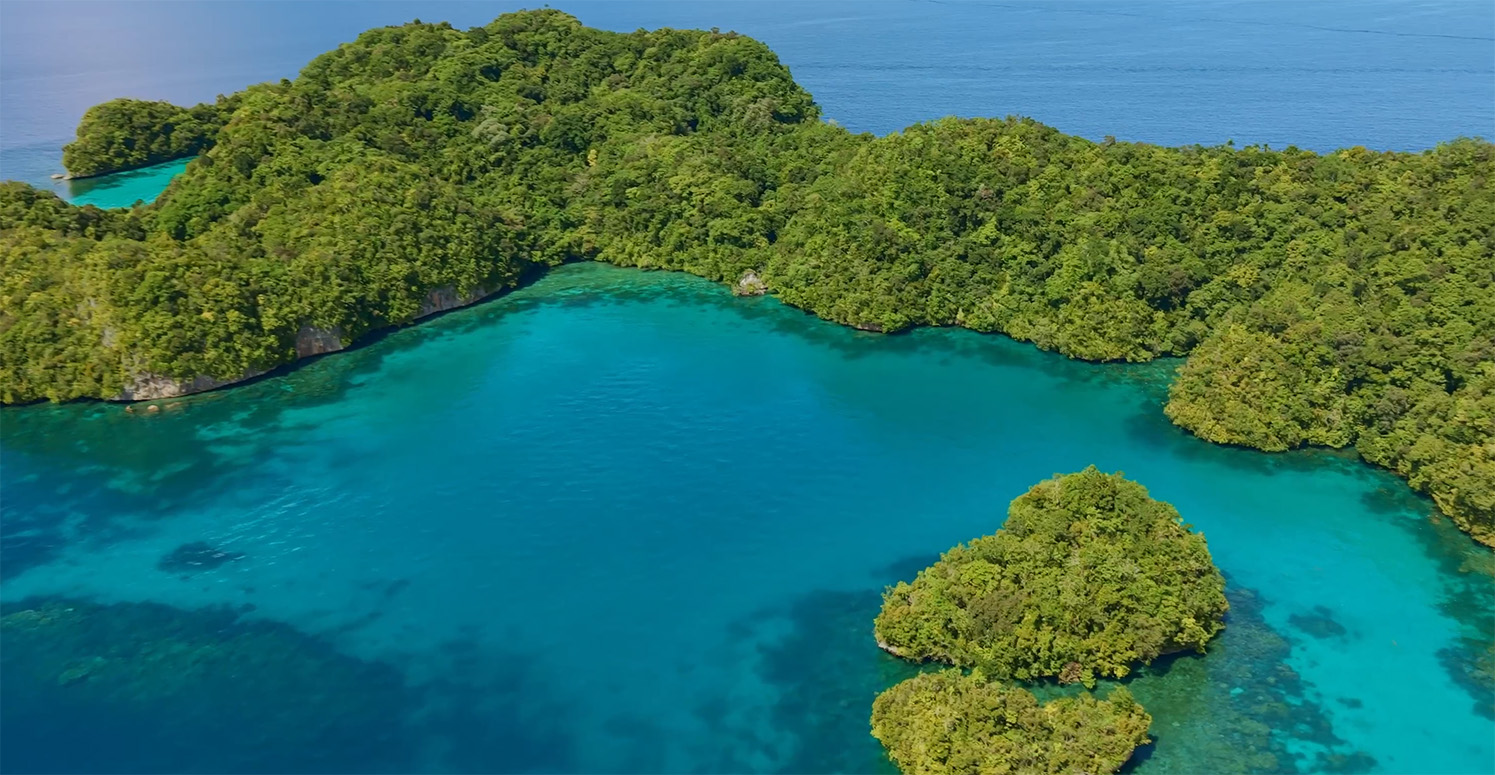
Palau is an island nation in the western Pacific, sitauated just East of the Phillipines and North of Indonesia / Papua New Guinea. It is made up of roughly 340 islands, but most are uninhabited. Palau has a very small population of only 18,000 residents, mostly on the island of Koror. Fun fact: Palau is the 16th smallest country in the world!
Palau’s history is shaped by its local island traditions as well as centuries of foreign involvement. The islands were first settled by Micronesian people mostly from what is now the Philippines or Indonesia in the 2-3rd century BC. In the 1500's, they were claimed by Spain and then later by Germany, and finally Japan after World War I. During World War II, Palau, especially the Southern island of Peleliu, experienced heavy fighting between Japanese and U.S. forces, with the Battle of Peleliu lasting 2 months. After the war, the United States governed Palau until it became fully independent in 1994. They still maintain a close relationship with the United States which provides defense support and economic aid. There is even a US post office with its own zip code on Palau!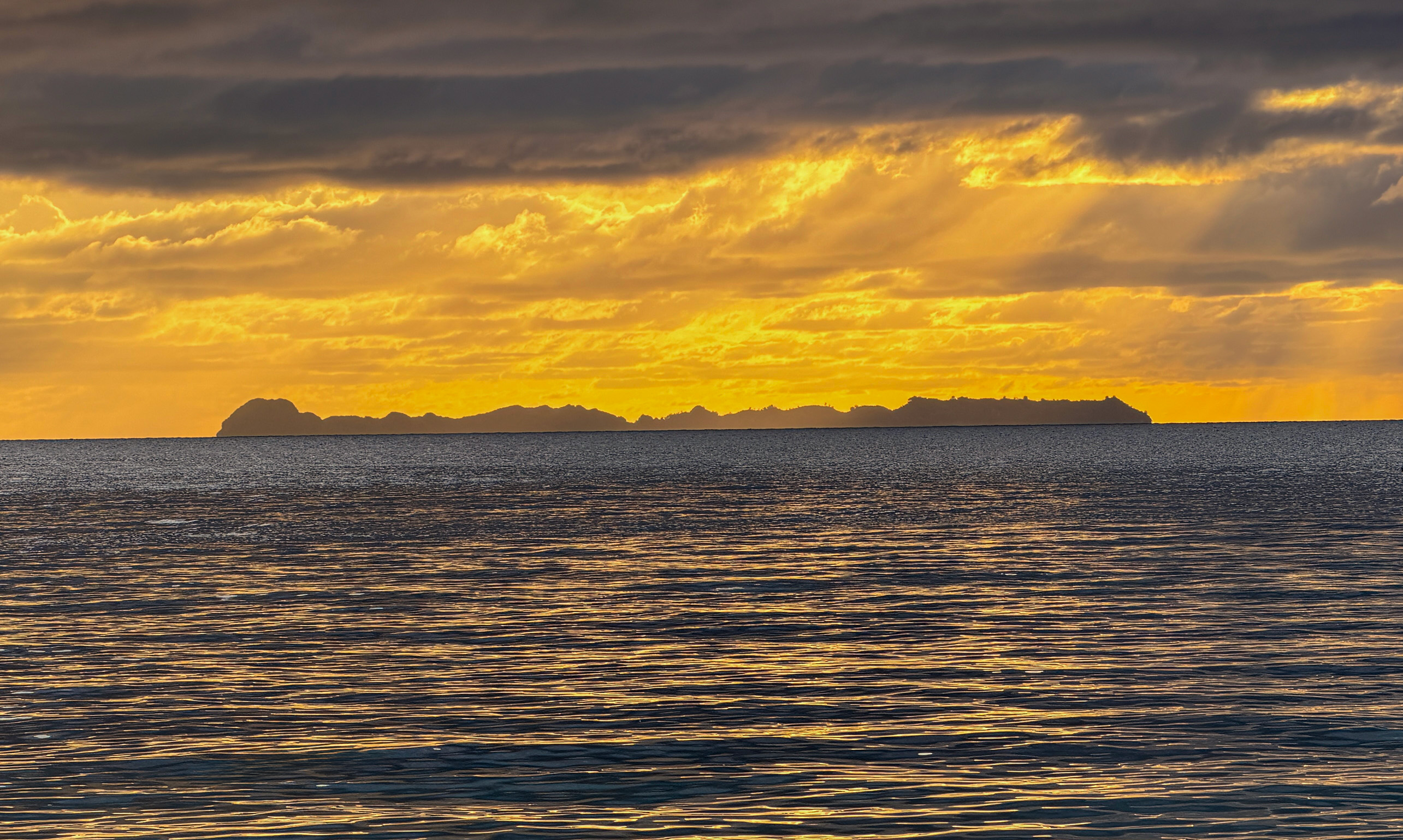

Getting There
Getting to Palau was surprisingly straightforward, even with very few daily flights. You can get there direct from Australia, Tokyo (United Airlines), and we have seen or heard about flights to Guam, Taiwan, Manila and Macau. There are also less frequent local flights to other islands in Micronesia. We flew from Vancouver to Tokyo, as we had Air Canada credit to use up, but technically, we could have made it in 2 flights from Denver to Tokyo and then Palau. The flight from Tokyo was only a short 4 1/2 hours and the plane was not full, allowing us to spread out and even get upgraded.
Currency & Language
Due to its long standing history with the United States, Palau has two official languages, which are English and Palauan. We found that 100% of the people we interacted with spoke excellent English, although we definitely heard Palauan being spoken amongst the locals. In addition, there are several native languages only spoken by a few in more remote states. Yes, there are 16 "states" in Palau, we are not sure why there are so many!
Palau uses the USD as its official currency. It does not have its own national bank, so relies on several other banks such as Bank of Hawaii and the Bank of Guam. We found that cash was mostly unnecessary, as almost everywhere expects you to pay using card. A few exceptions would be the per person fees for tourist entrances on the big island. There were a few times where there was a service charge of 5% for using credit card, but for most of the other purchases, the fee was already included. Banks and ATMs are readily available around the main town. One thing we did hear about was the lack of ability to take American Express, so if that's your card of choice, you should make sure you have another option.
Getting Around
Many tourists get by with taking their hotel's transportation from the airport, and then relying on rides from the dive shop and restaurants (many restaurants provide a pickup / drop off service). However, for more freedom, we recommend spending the extra money to rent a car at the airport. We rented from Enterprise Rent-A-Car, and even though our flight from Tokyo arrived after their closing time (11pm), they waited for us to arrive and made the process quick and easy to get on our way. Return was extra simple, as you just park the car in the small lot right in front of the airport and drop the keys - no one was working mid-day at any of the rental counters.
Having a car allowed us to not only stop at our favorite smoothie shop every morning before diving (see below), but also to stop at the many grocery and convenience stores for snacks and drinks at our leisure. We could try out any restaurant in town without worrying if they had a shuttle service, and of course, we got to spend a full day exploring the upper island, seeing more than just the popular touristy side of Palau. We happened to notice that the highest speed limit we ever saw was 30mph, with 20 and 25 being more common. This was extremely slow on the big island, as the roads were in perfect condition and empty of traffic! We didn't see a single stop light on any of the islands.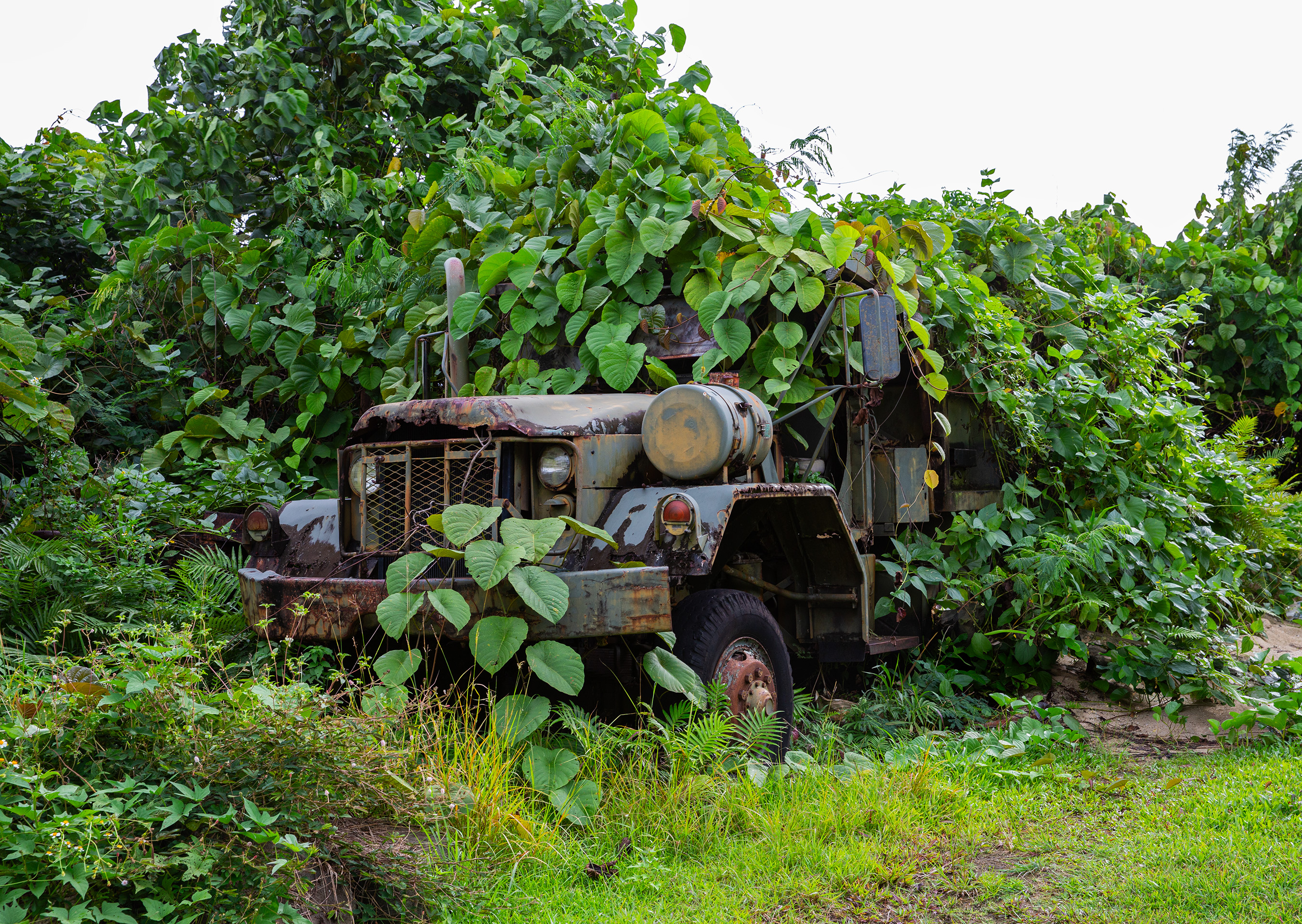
Back to Top
Link to Palau Galleries
Where to Stay
The Palau Pacific Resort and Villas
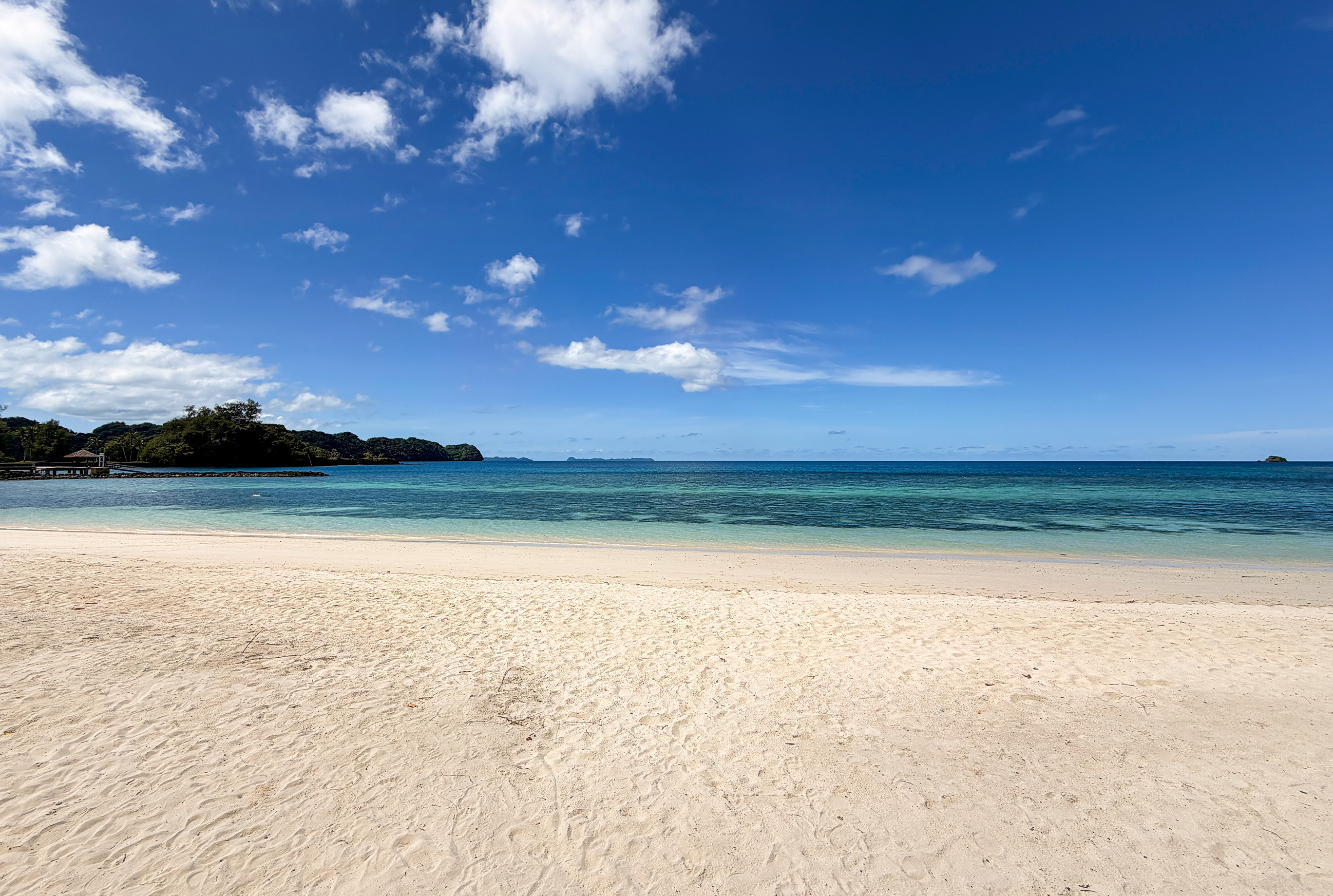
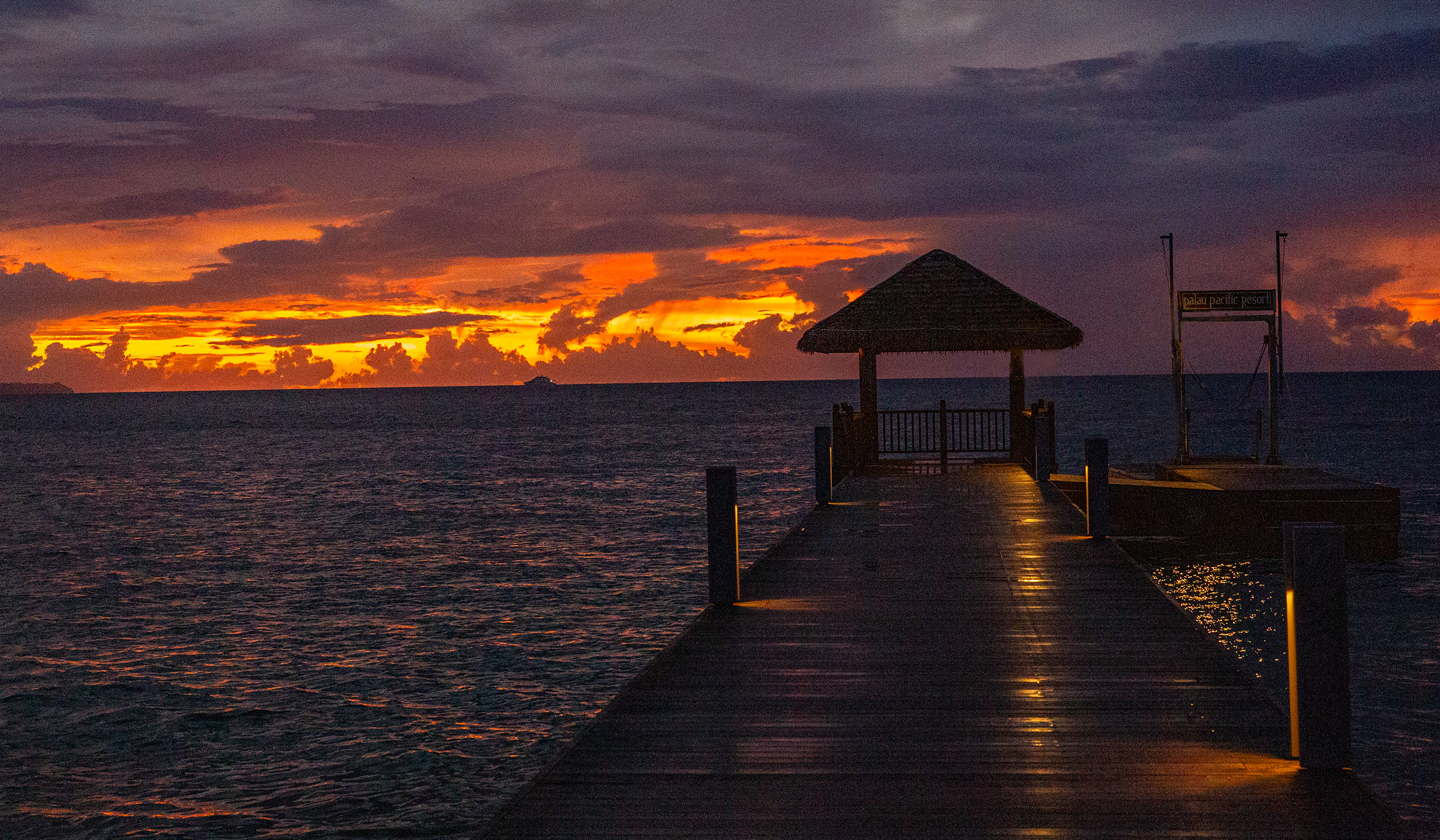
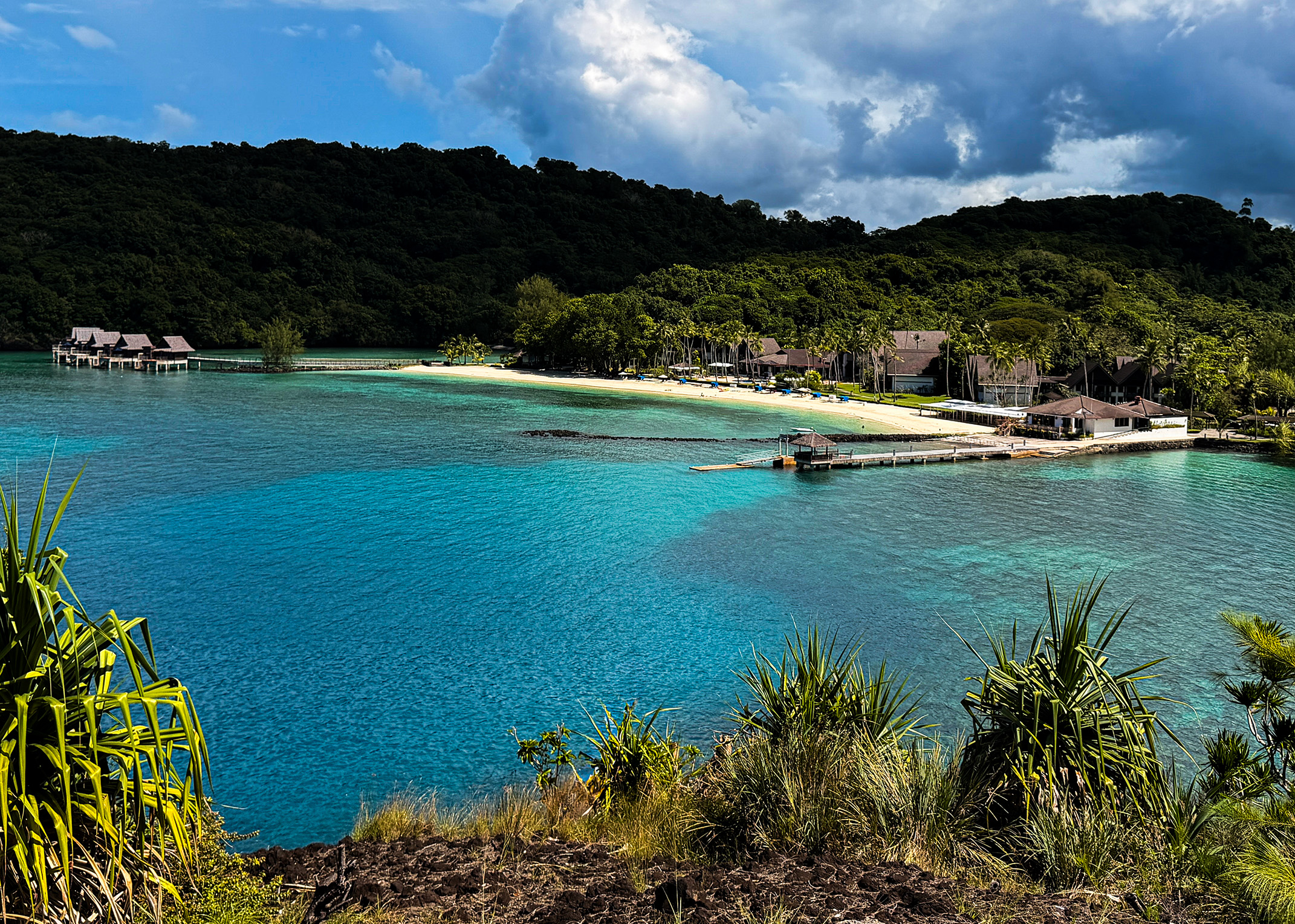
The Palau Pacific Resort is definitely well known as the most upscale place to stay in Palau. After looking at a few other resorts, we decided it was worth it to spend the extra money and stay there. It was nice to come back to a comfortable and large room at the end of our diving days. The resort staff was beyond friendly, as was everyone on the island. The resort has a large sandy beach and house coral reef where you can snorkel and see giant clams, coral and a variety of tropical fish. Do make sure you apply suncreen when it's sunny, as we got burned on our first day when we weren't careful enough before snorkeling!
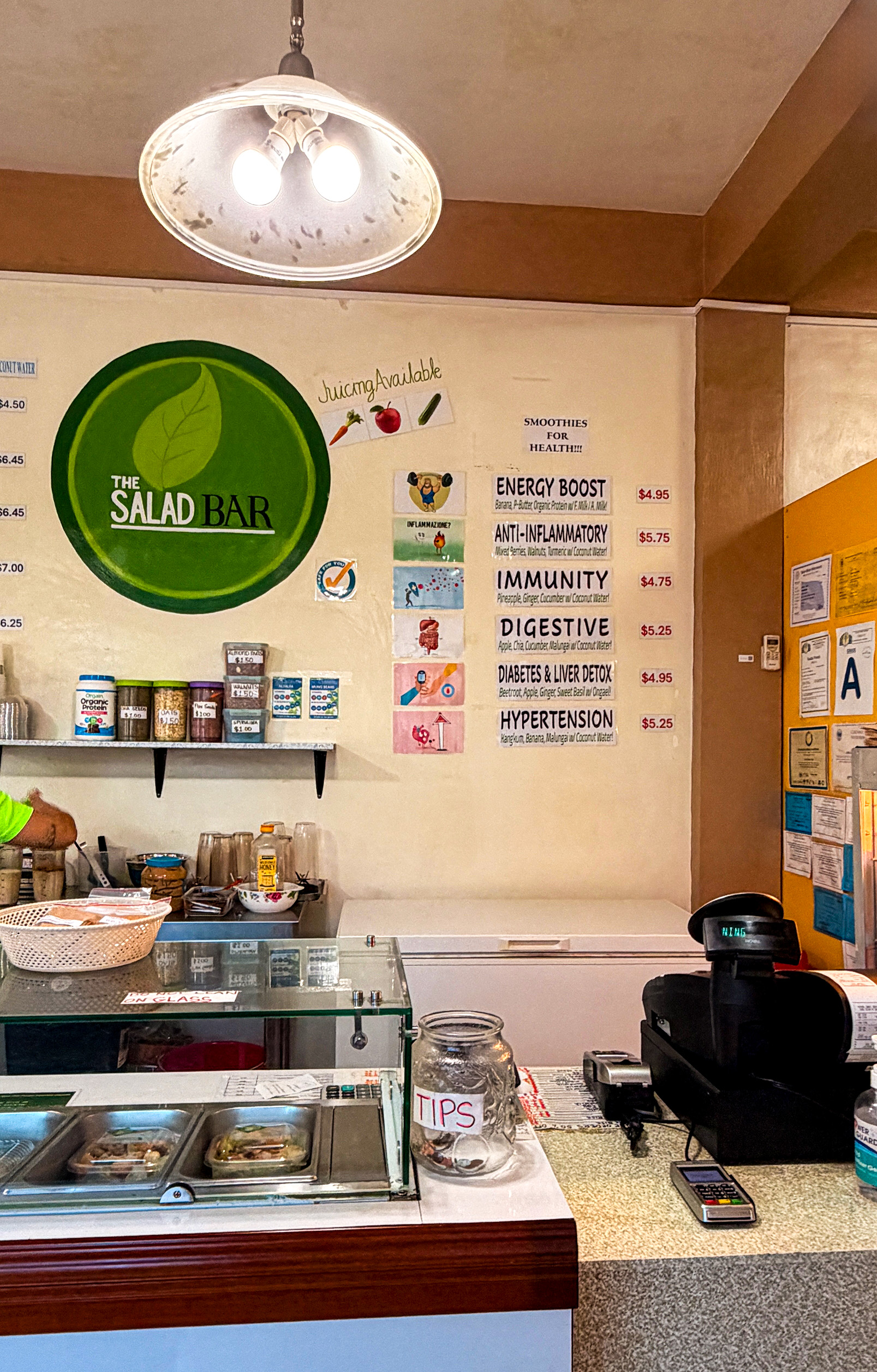
The resort has a daily buffet breakfast, but we hadn't signed up for the breakfast plan. If not on the plan, the buffet is $30pp. Since we had relatively early mornings on our dive days, we opted for local smoothies at The Salad Bar cafe instead. There is only one menu for the resort, with a wide variety from fresh catch of the day, to sandwiches and burgers, or fresh sashimi and poke bowls. You can have the menu either at the main restaurant or the beach bar, where the friendly bartenders are serving up very well made and creative drinks named after the most popular Palau fish and dive sites. There is also a nightly happy hour from 5:30-8pm at the beach bar as well as a weekly free cocktail and appetizer social gathering for the guests on Weds nights. The weekly gathering was very well done with tasty coconut appetizers, wine, beer and fresh coconut drinks with Palauan dance entertainment. We would definitely recommend staying at the Palau Pacific Resort if it fits in your budget!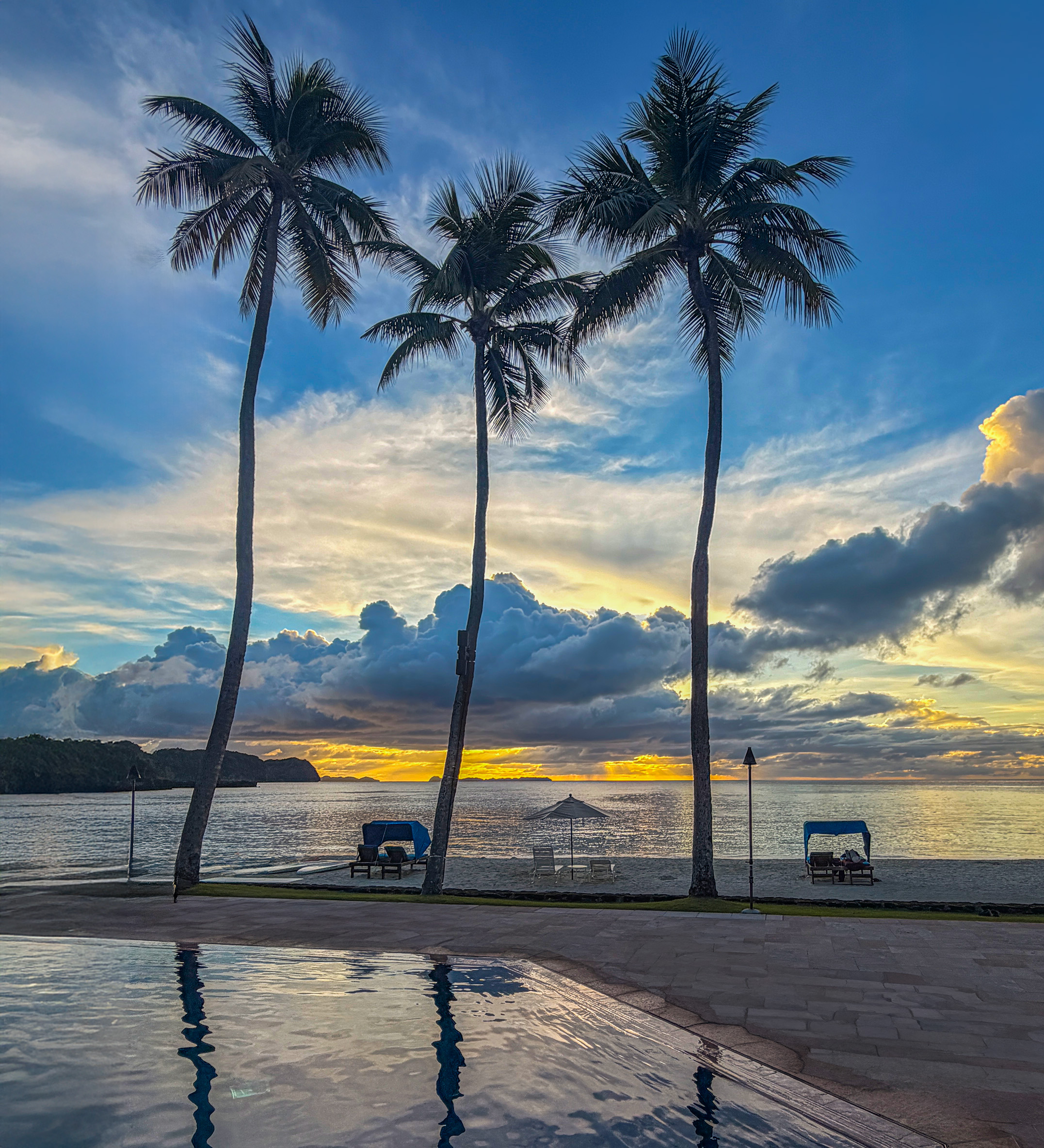
Back to Top
Link to Palau Galleries
Things to Do
Palau Pacific Divers
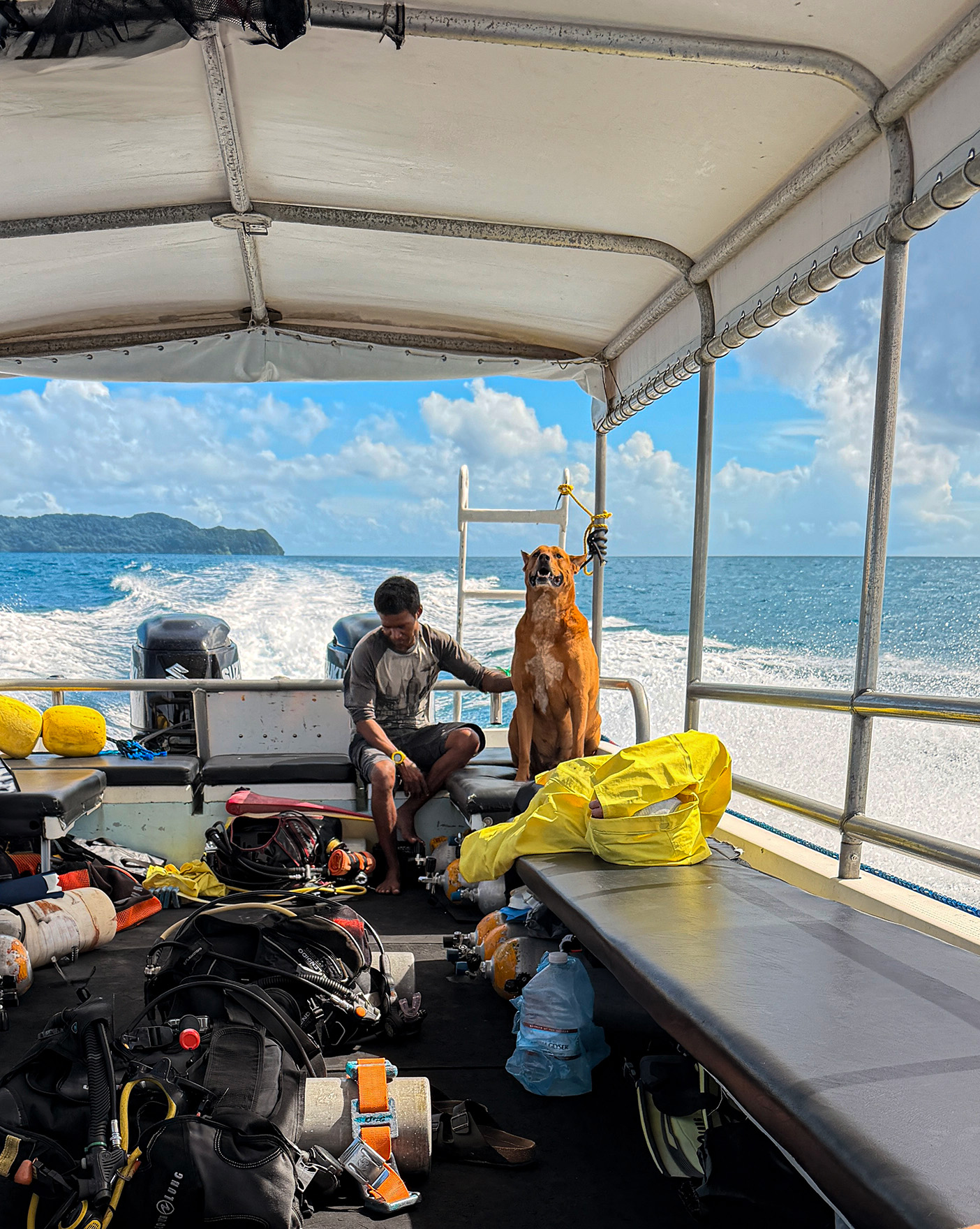
Probably the number one thing to do in Palau is to experience its epic scuba diving! We must admit, this is what brought us here, and we spent 4 of our 7 days in Palau underwater. Palau's reefs are in pristine condition, and there are countless dive sites sprinkled around its many islands and reefs. There are so many dive shops that it's hard to choose, but we did 12 dives with Palau Pacific Divers and were very pleased with our experience. On several of the days, we were with a very small group of only 4-5 of us and all experienced divers. Our guides were casual but still attentive to safety.
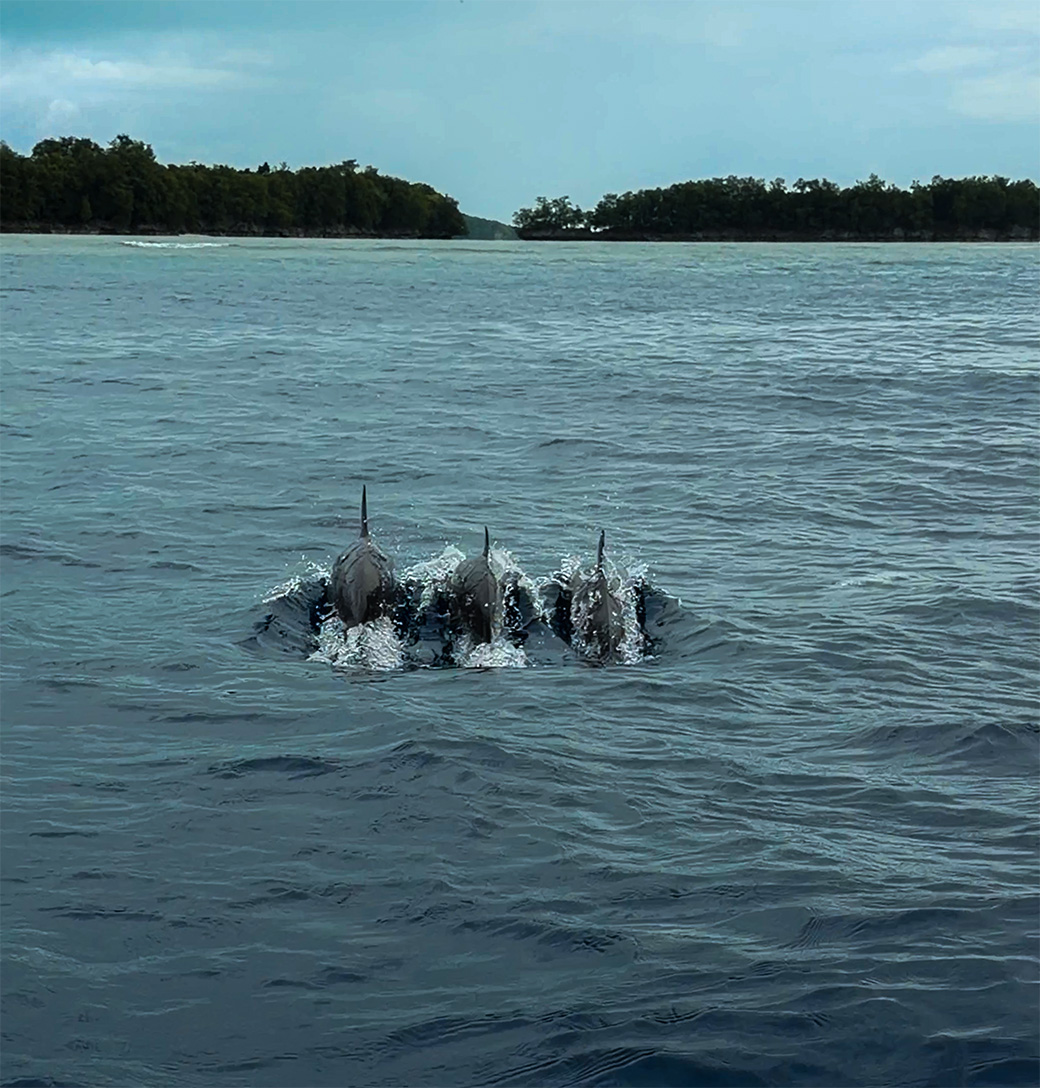
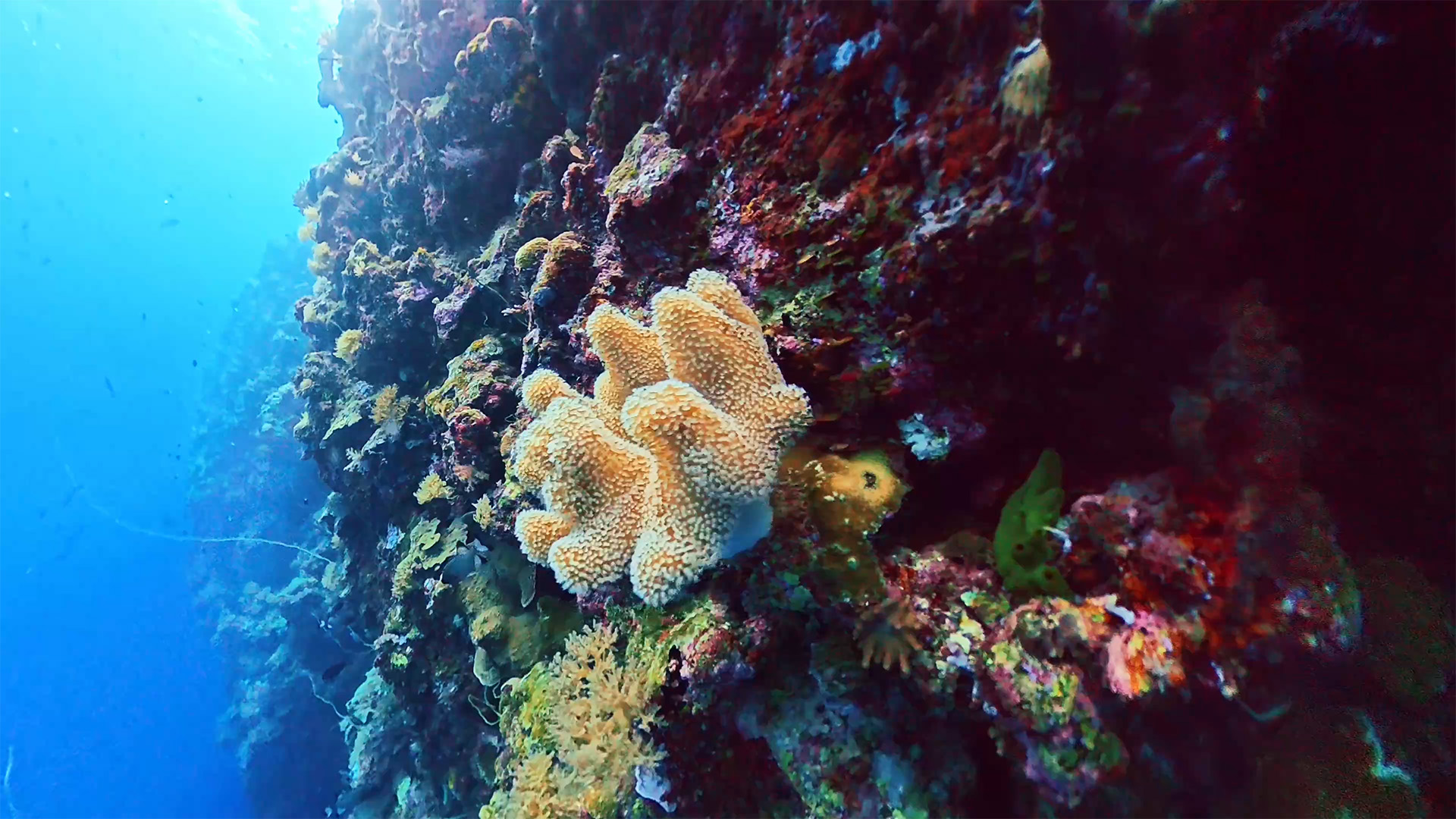
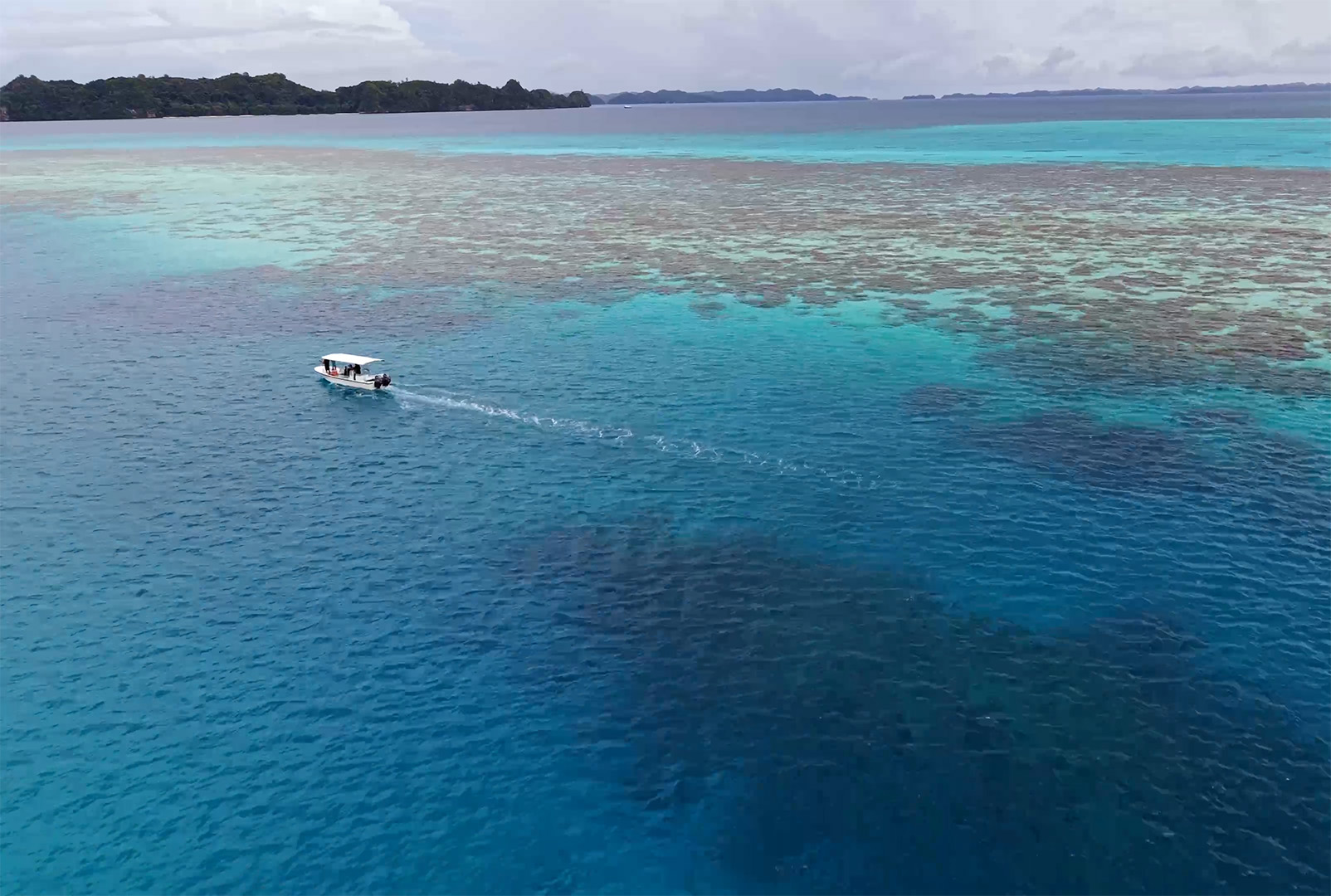
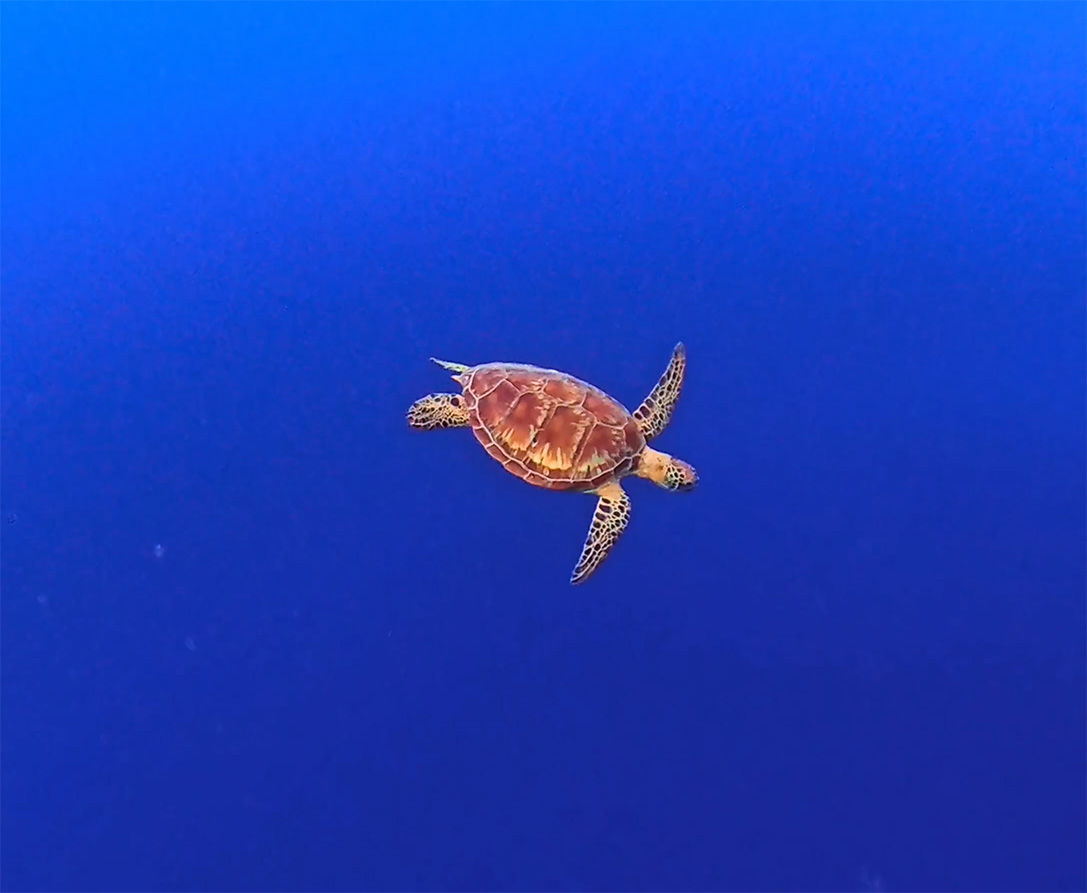
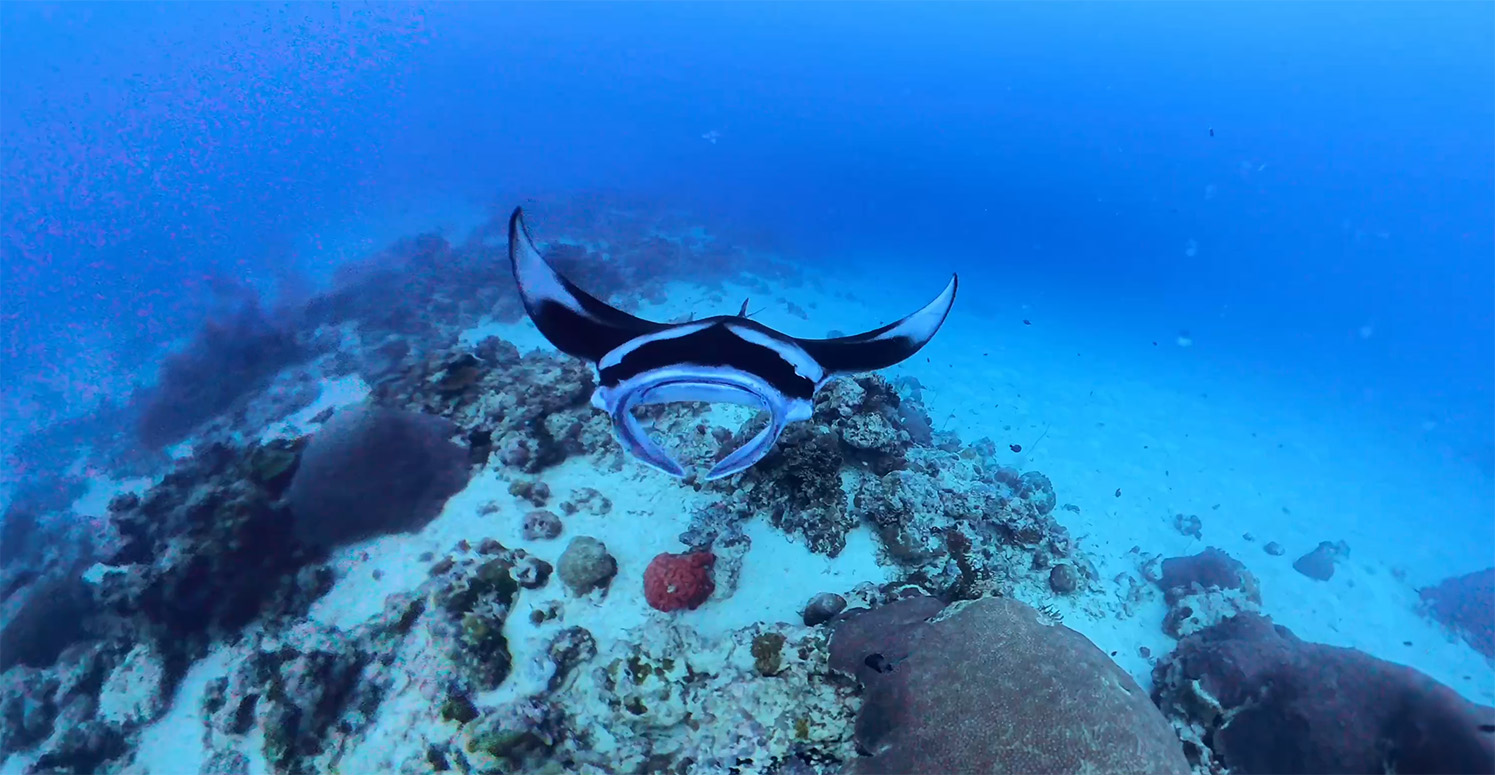
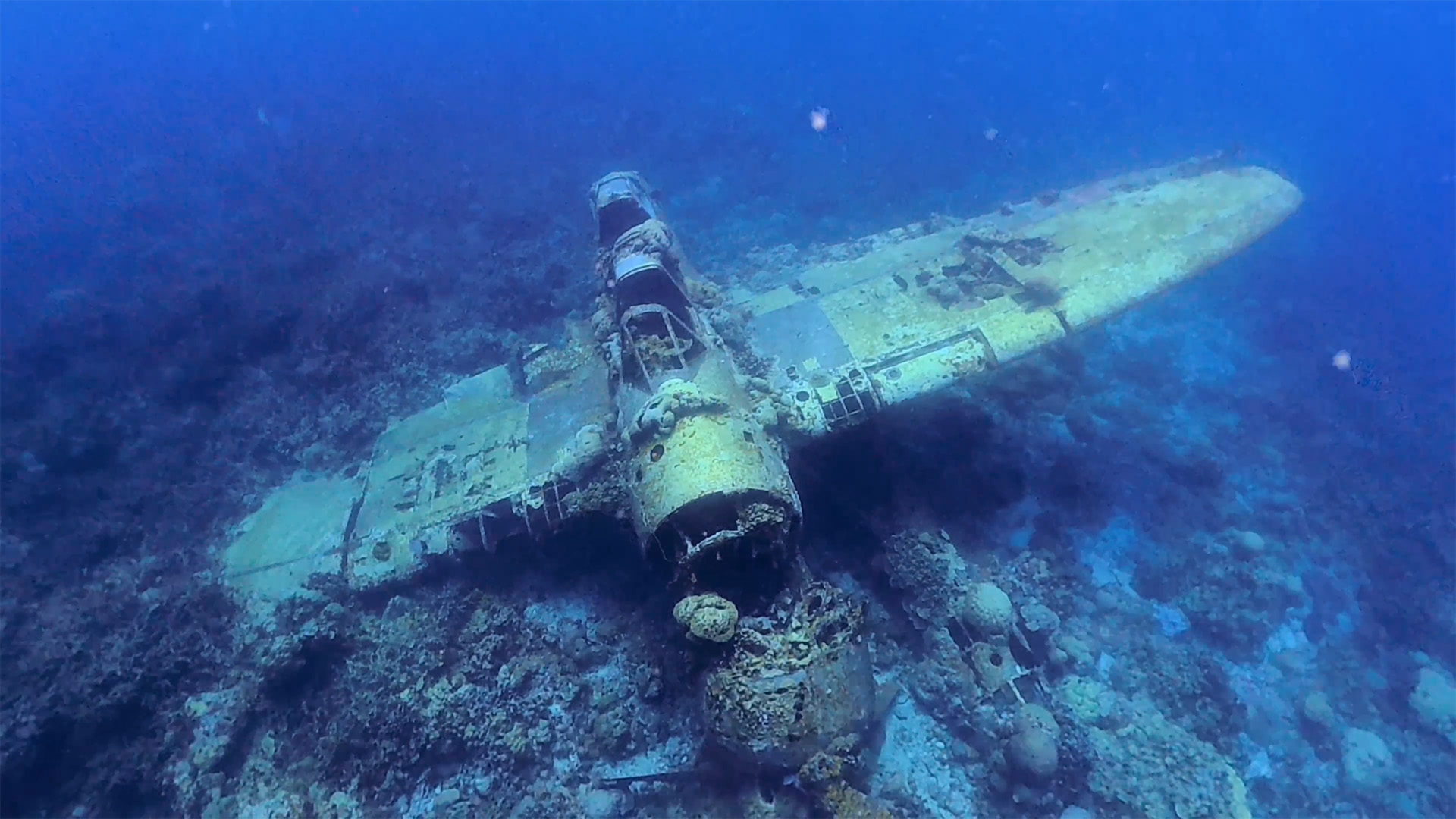
Over our week in Palau, we visited the most popular dive sites such as the German Channel with its manta rays, the Blue Corner with its large schools of fish and sharks cruising by, the WWII shipwreck Iro Maru, the Jake seaplane wreck, and the Chandelier cave where you can surface in 4 separate chambers with air to admire the stalagtites on the inside of the cave. Outside of those well known sites, we enjoyed an abundance of coral and fish life with a wide variety of each. The water was warm (30 degrees Celcius), allowing us to dive without a wet suit, just long sleeve shirt and shorts, and on each of our days, we did 3 dives with a bento box style Japanese lunch from a local restaurant included. There was sometimes extra time for snorkeling in the turqouise blue water or for flying the drone and admiring the Rock Islands, the several hundred limestone islands that Palau is famous for. Even with so many dive shops to choose from, diving in Palau is very expensive compared to some other places around the world. With 3 dive days costing us roughly $300pp! We shopped around and pretty much everyone was charging about the same.
Ngardmau Waterfall Hike
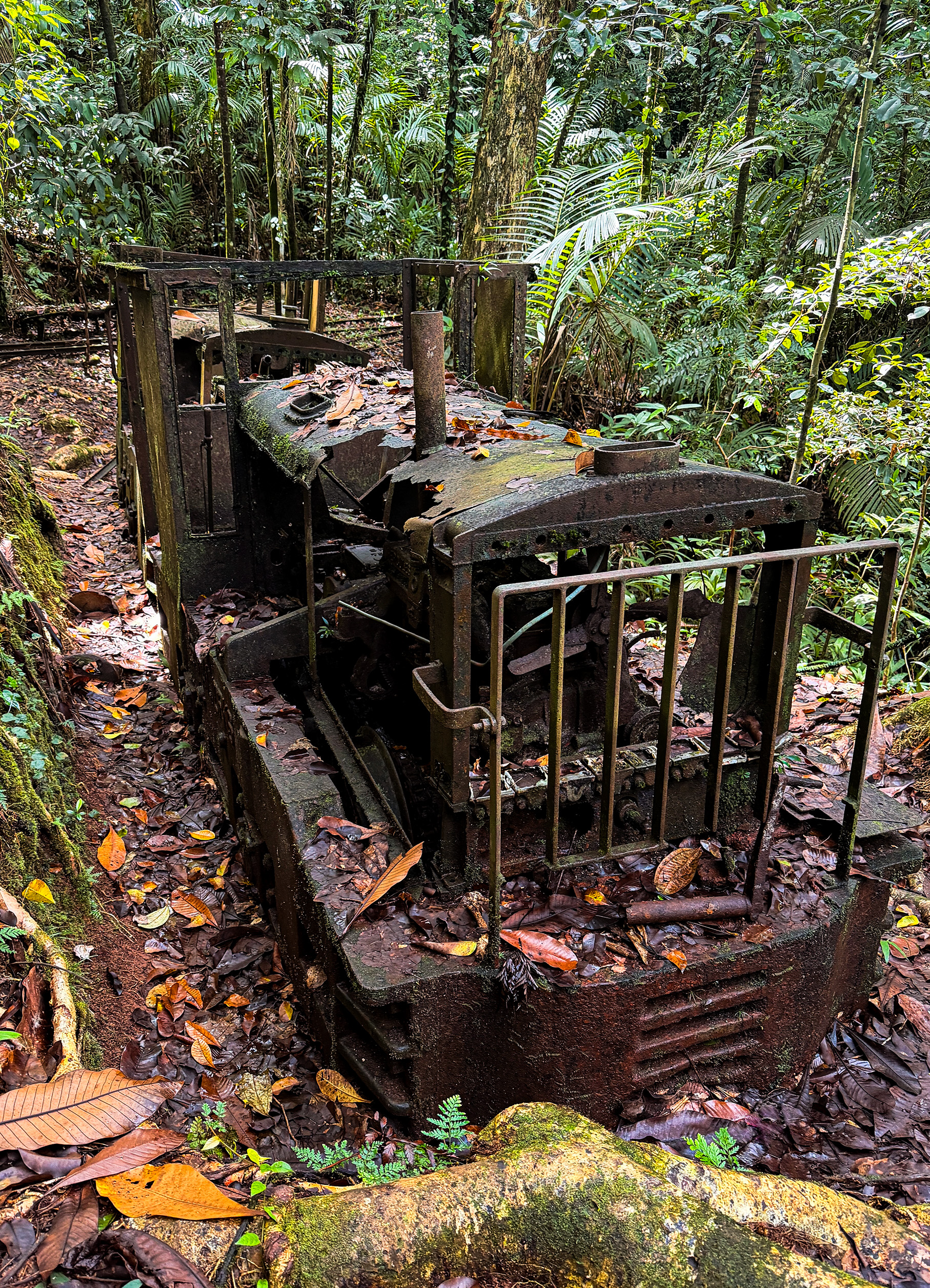
We spent a day driving around the main island of Palau, called Babeldaob, which is also the second largest island in Micronesia, after Guam. We found the island to be very sparsely populated, with the majority of it being hilly jungle and no roads. However, if you choose to drive around the island like we did, the Ngardmau waterfall hike is not to be missed. Upon arrival, you will need to pay $10pp at the office and then proceed down a steep and somewhat muddy trail. Along the way, you can veer off and follow an old railroad line from the 1920's era where you come upon a rusted Japanese locomotive engine previously used for Bauxite (aluminium) mining.
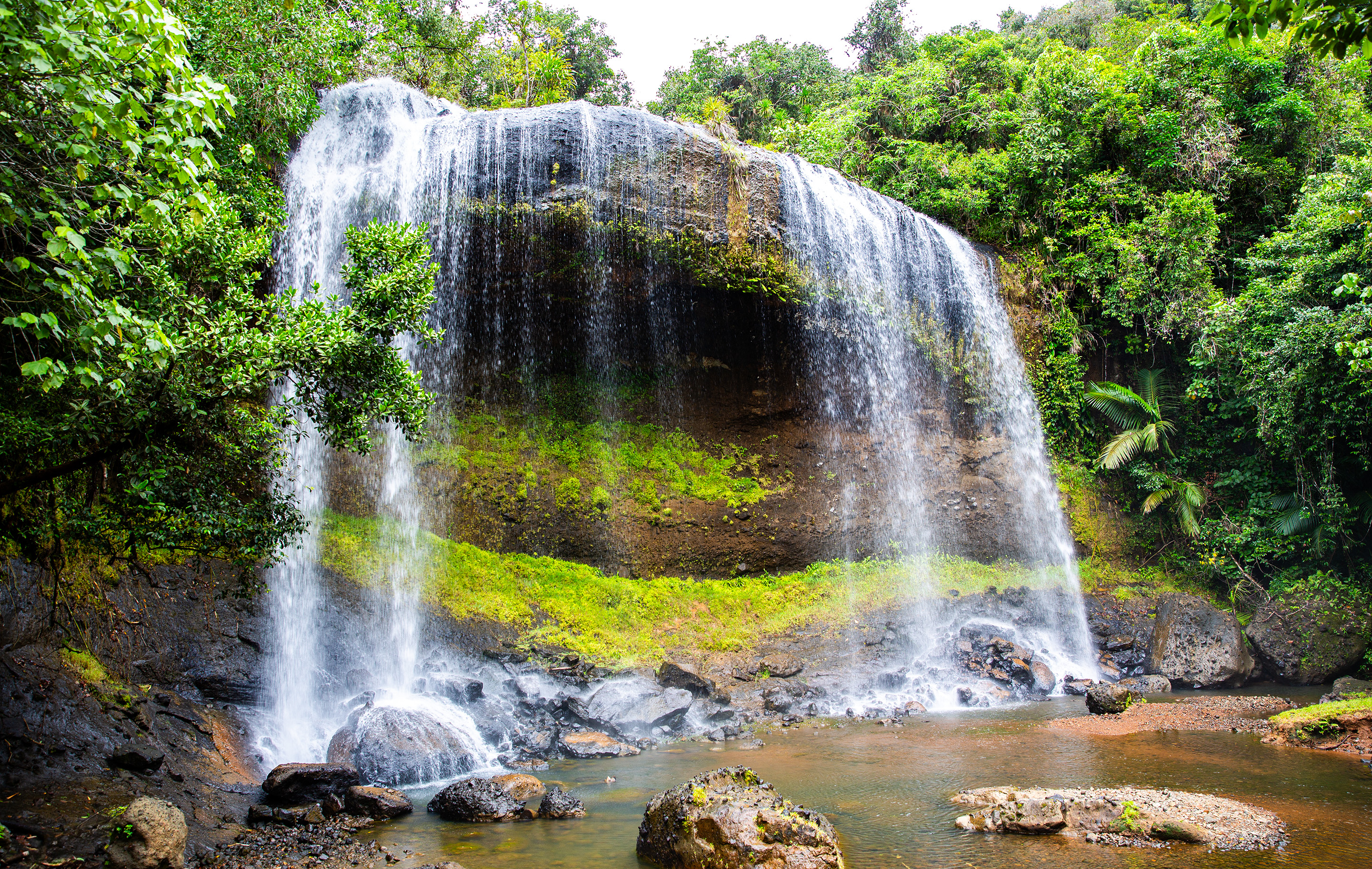
When following the other path, you reach an iddylic waterfall cresting over a large rounded cliff edge and cascading down into a shallow pool. We were one of the only tourists there at the time, having both the locomotive and the waterfall to ourselves. At the waterfall, you can walk through the water and go behind the falls, experiencing it from both sides. The waterfall helped cool us off from the hot and humid jungle hike, which was roughly 2 miles round trip, down and then back up 500 feet of stairs if you do both the locomotive and the waterfall. We advise to bring water and snacks to enjoy at the waterfall picnic tables, as well as your swim suit to cool off in the waterfall pool.
The Japanese Lighthouse
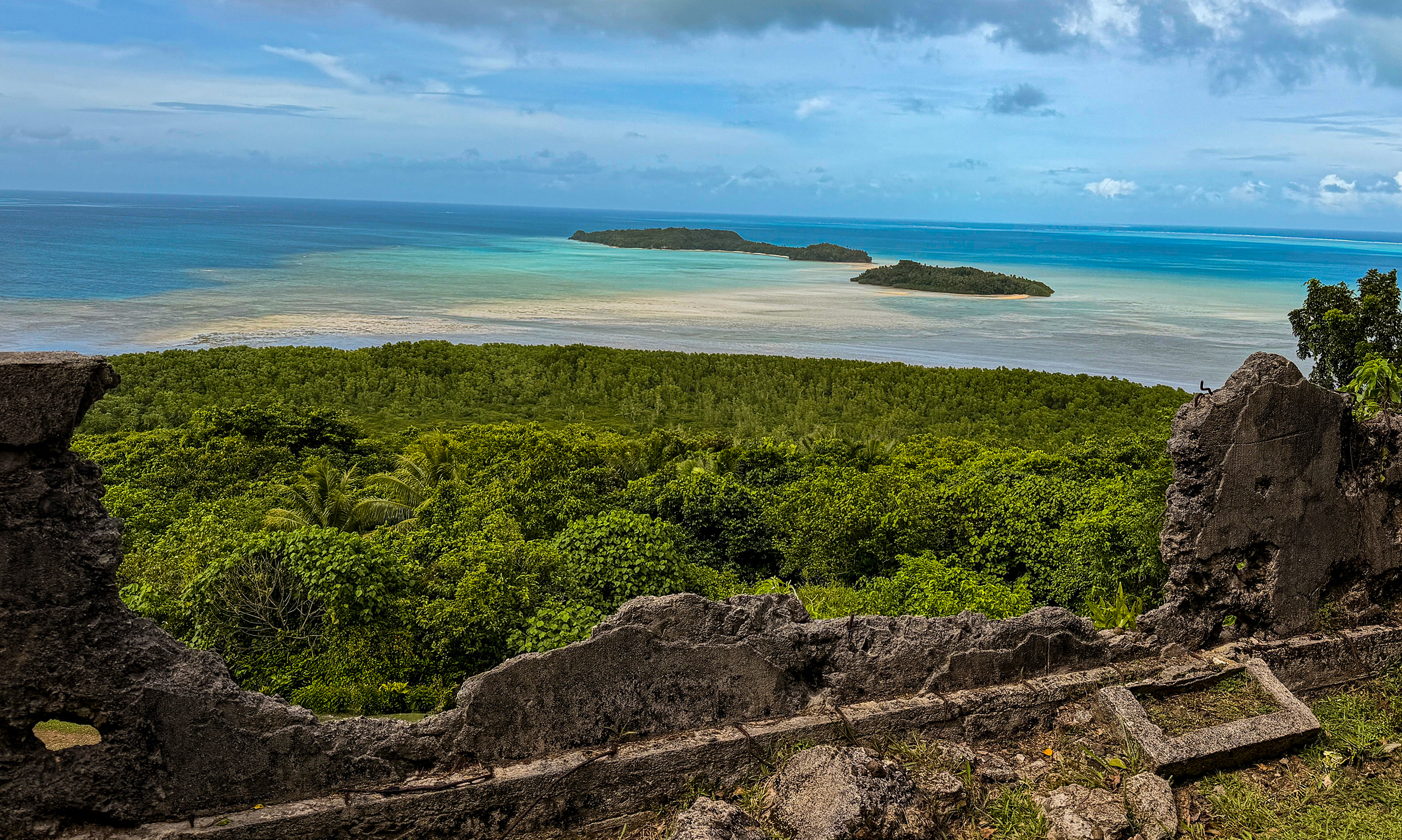
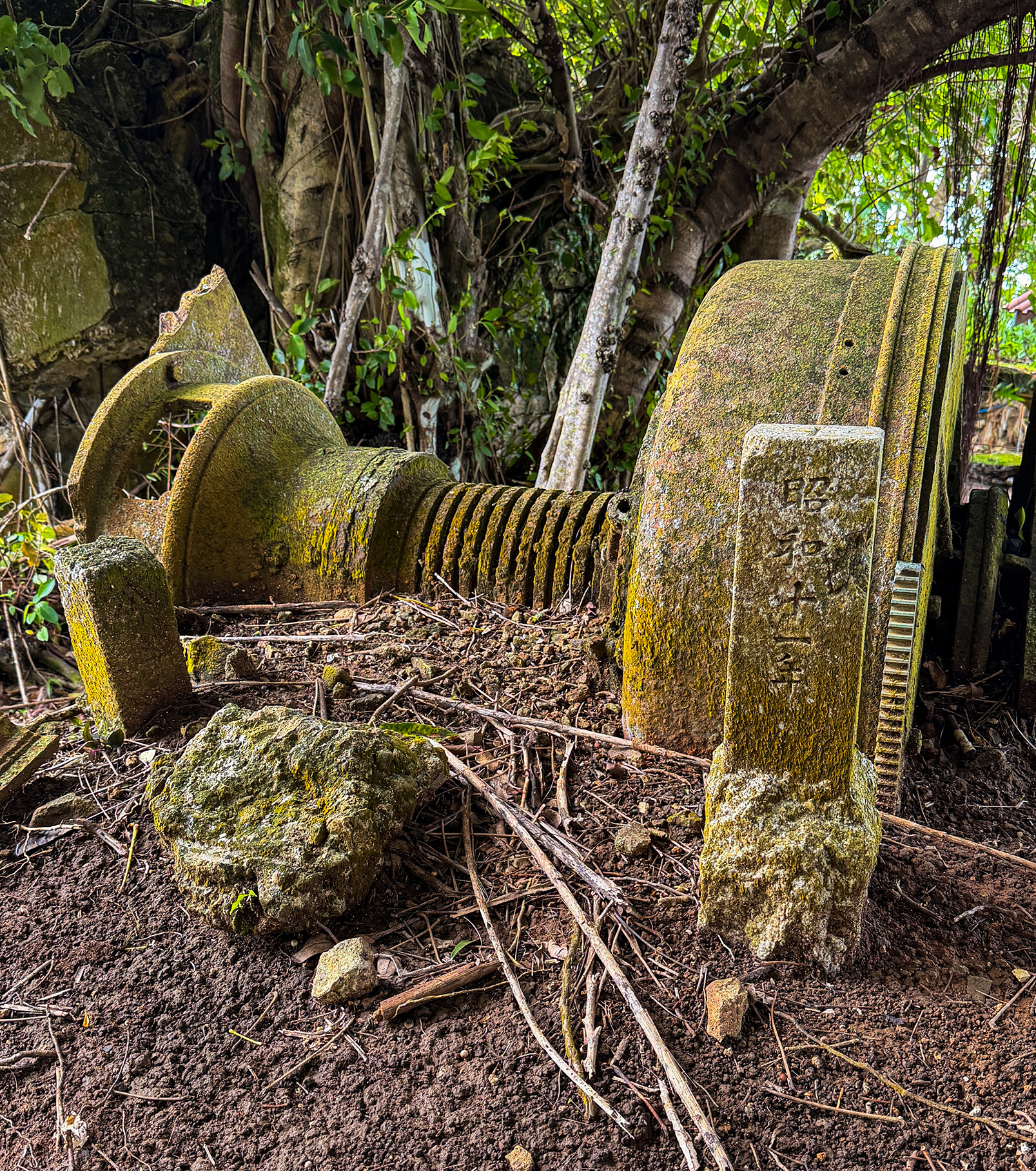
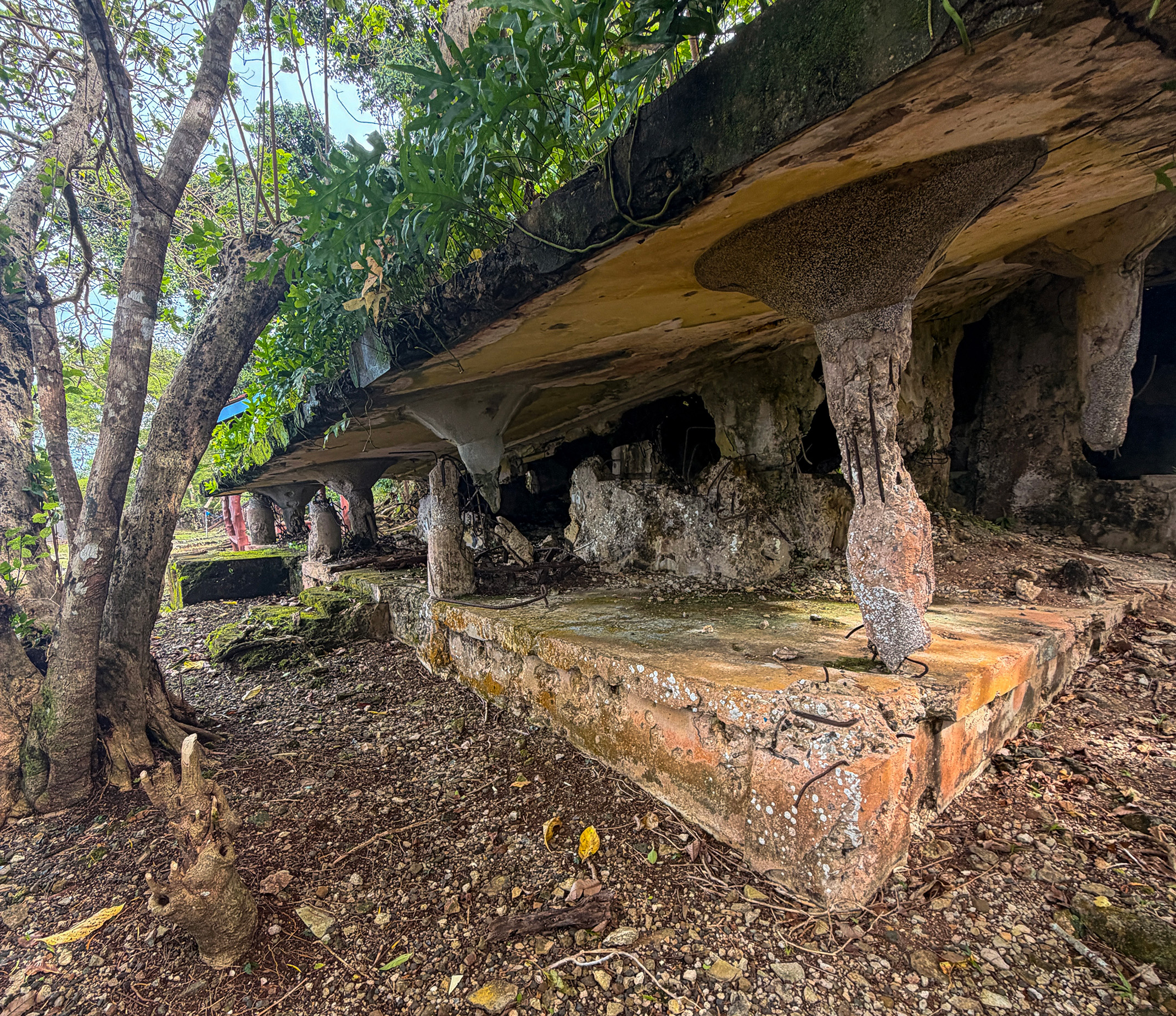
We stopped at the Japanese WWII lighthouse near the tip of the big island. The entrance for tourists was $5pp. Also, you are not allowed to fly a drone unless you pay another $50. There is a beautiful view of the islands to the North from the lighthouse area. The lighthouse, lookout bunker and former living quarters were actually built by the Japanese prior to WWII, but they were mostly destroyed during the war. We enjoyed a quick walk around each, and then headed back where we stopped at a nearby cemetery and flew the drone from there. We politely asked, and the cemetery residents didn't seem to mind us flying the drone really quick. The grave stones were actually pretty interesting, many of them being very simple hand carved or written inscriptions.
Palauan Stone Monoliths
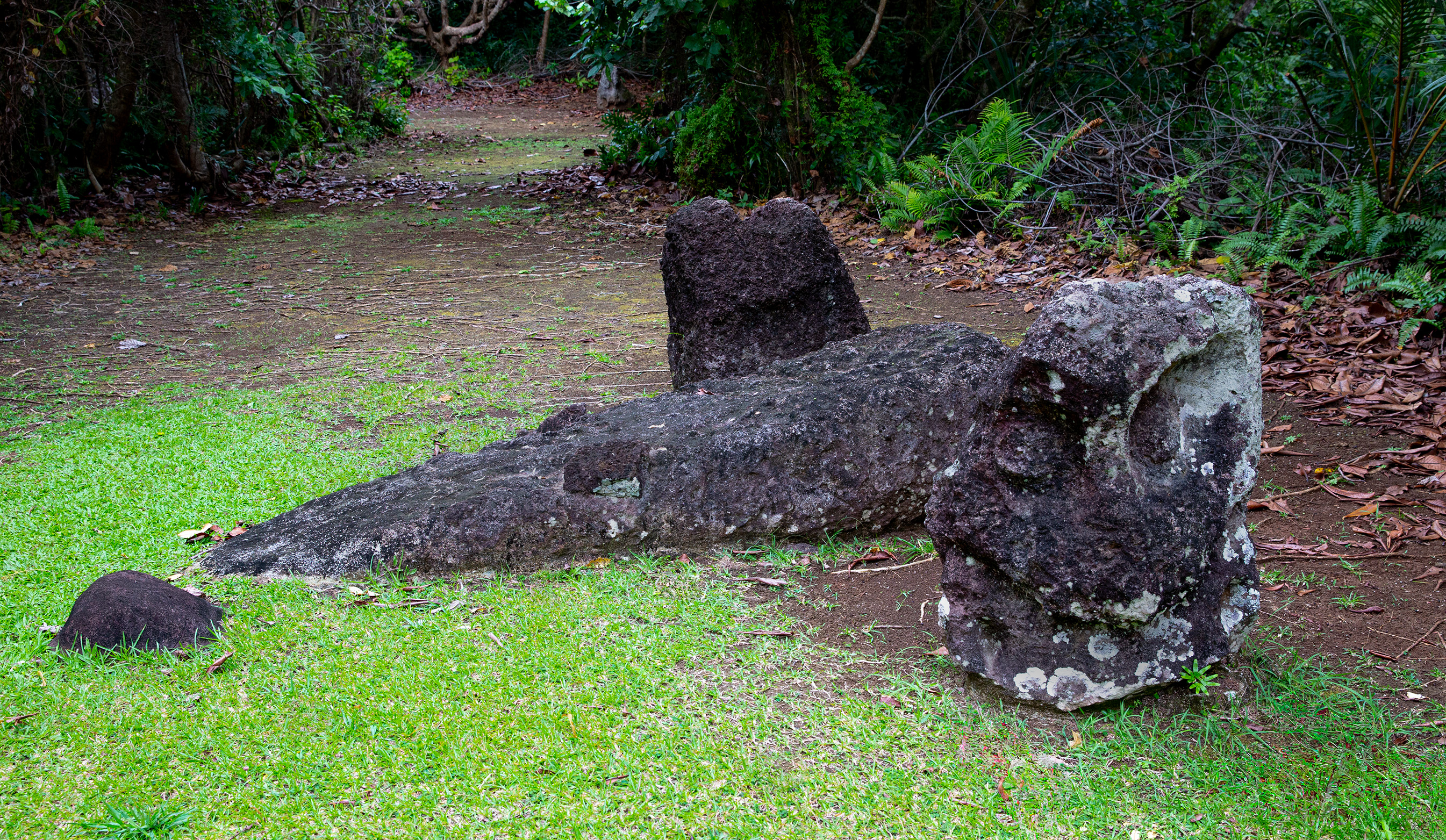
Very nearby the lighthouse, you can find the largest grouping of ancient stone monoliths. There is also a $5pp entrance fee. You will pay the fee and leave the car, then proceed down a short path for about a 10 minute walk. The path provides excellent views over the sea, after which you head down about 175 steps to get to the monoliths.
The monoliths, made from black puddingstone andesite rock, date to somewhere around 150 AD. Some are thought to have once held up an important structure or meeting house. Little is known about how the structures were used. However, stone monoliths can also be found in other places around the island. Some of the stones not used for the structure are carved with faces with bulging eyes, mouths and perhaps fangs. We enjoyed walking around the monoliths, and like the lighthouse, we were the only tourists there at the time, making it very peaceful.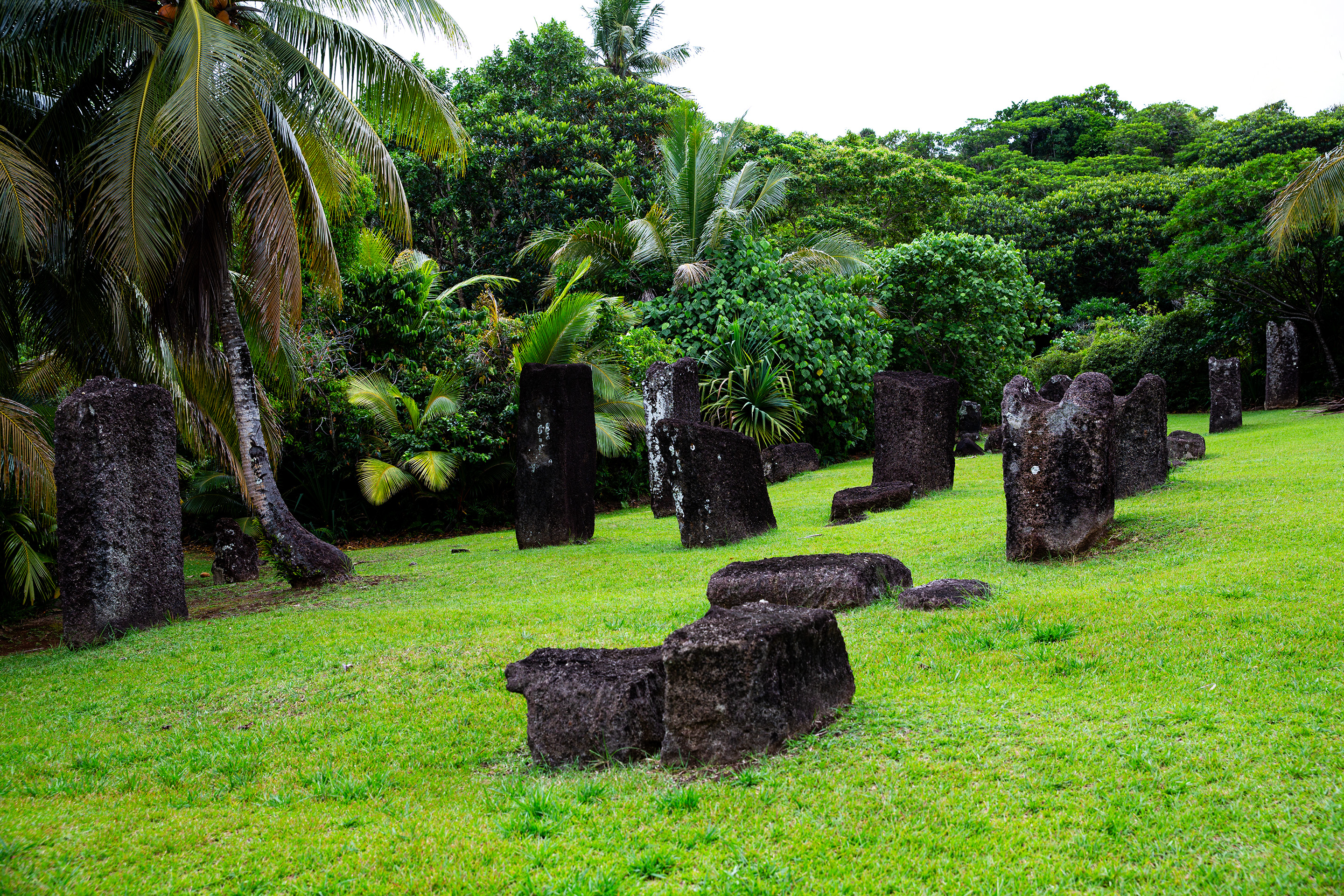
The Palau National Capital
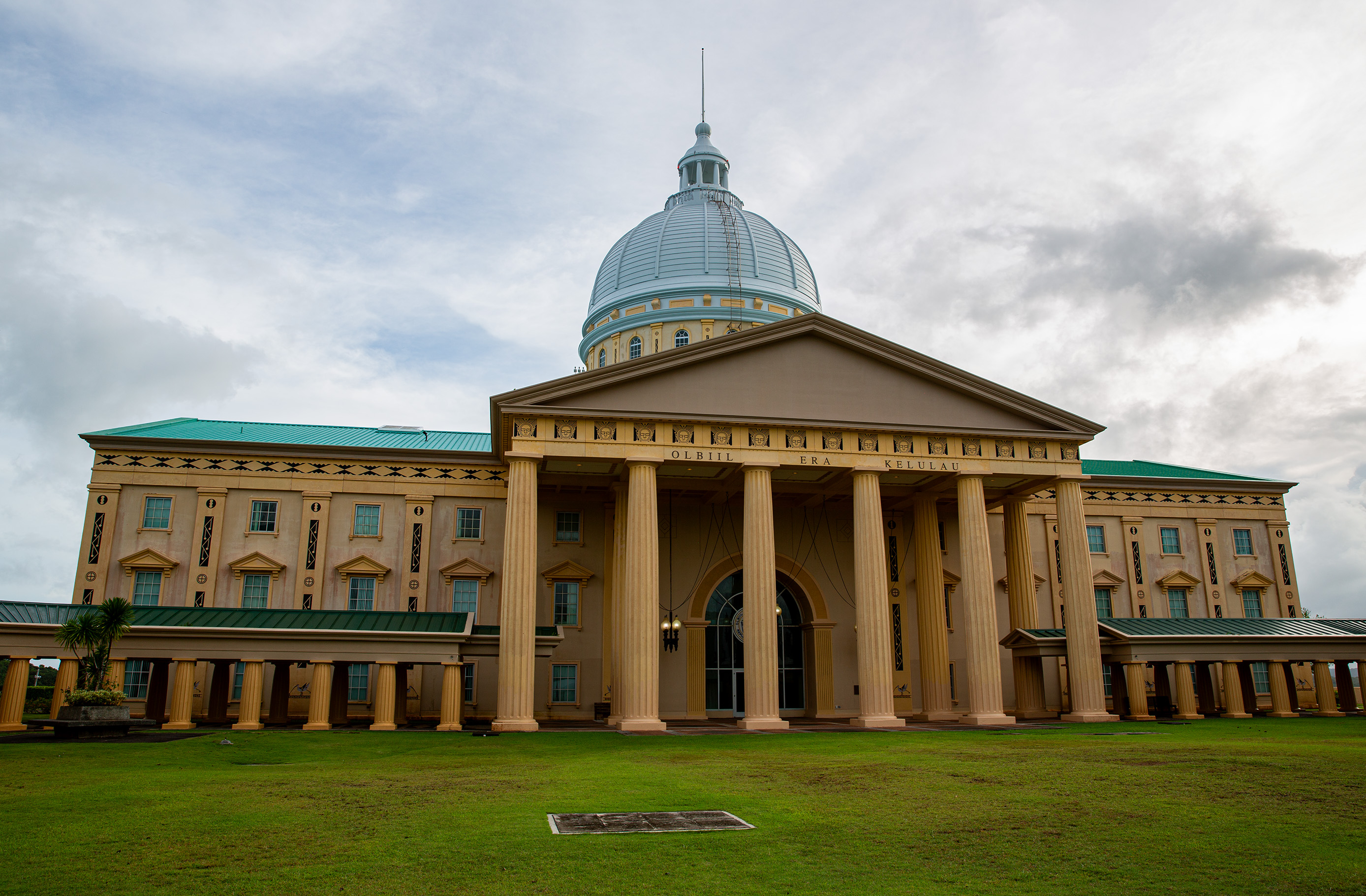
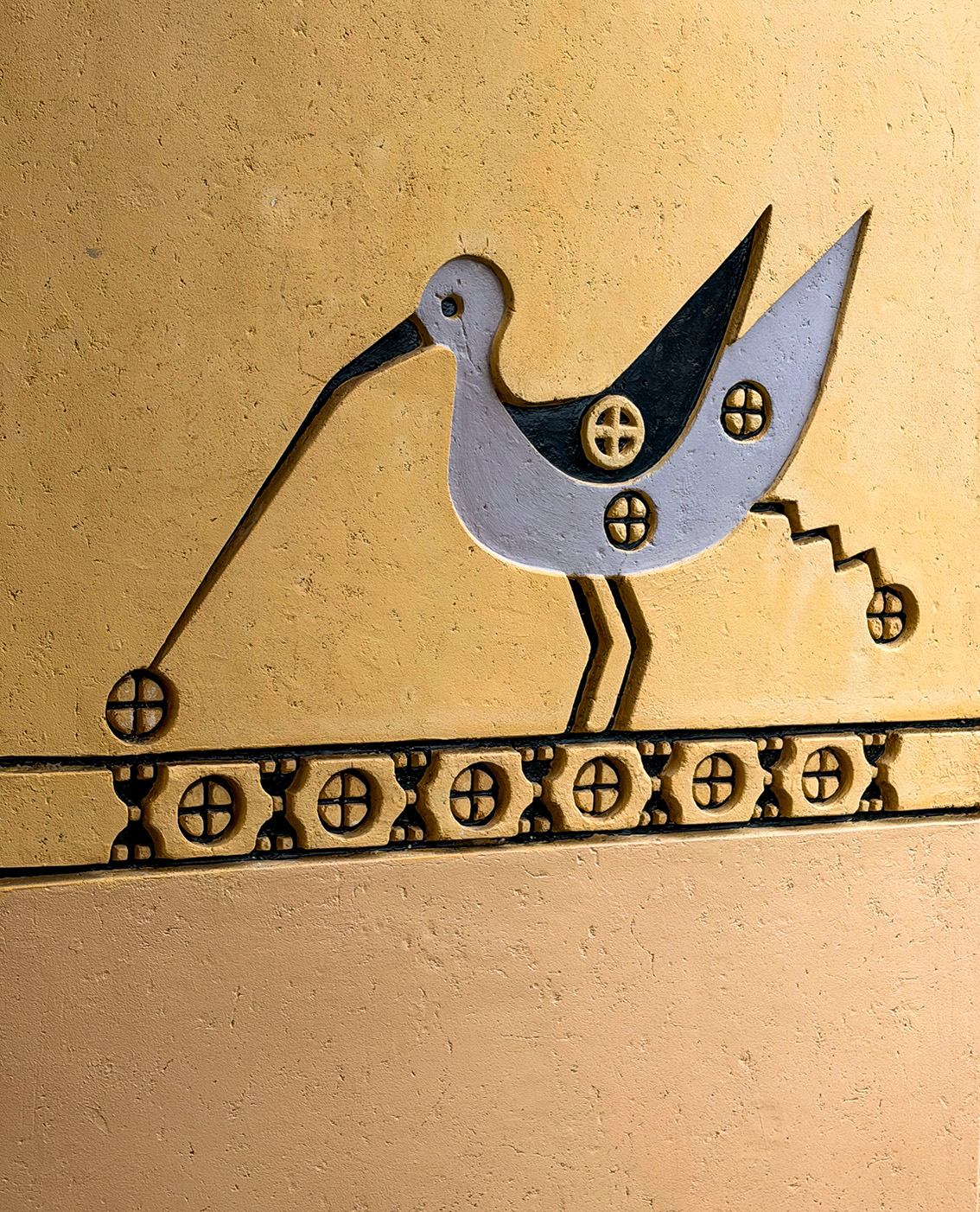
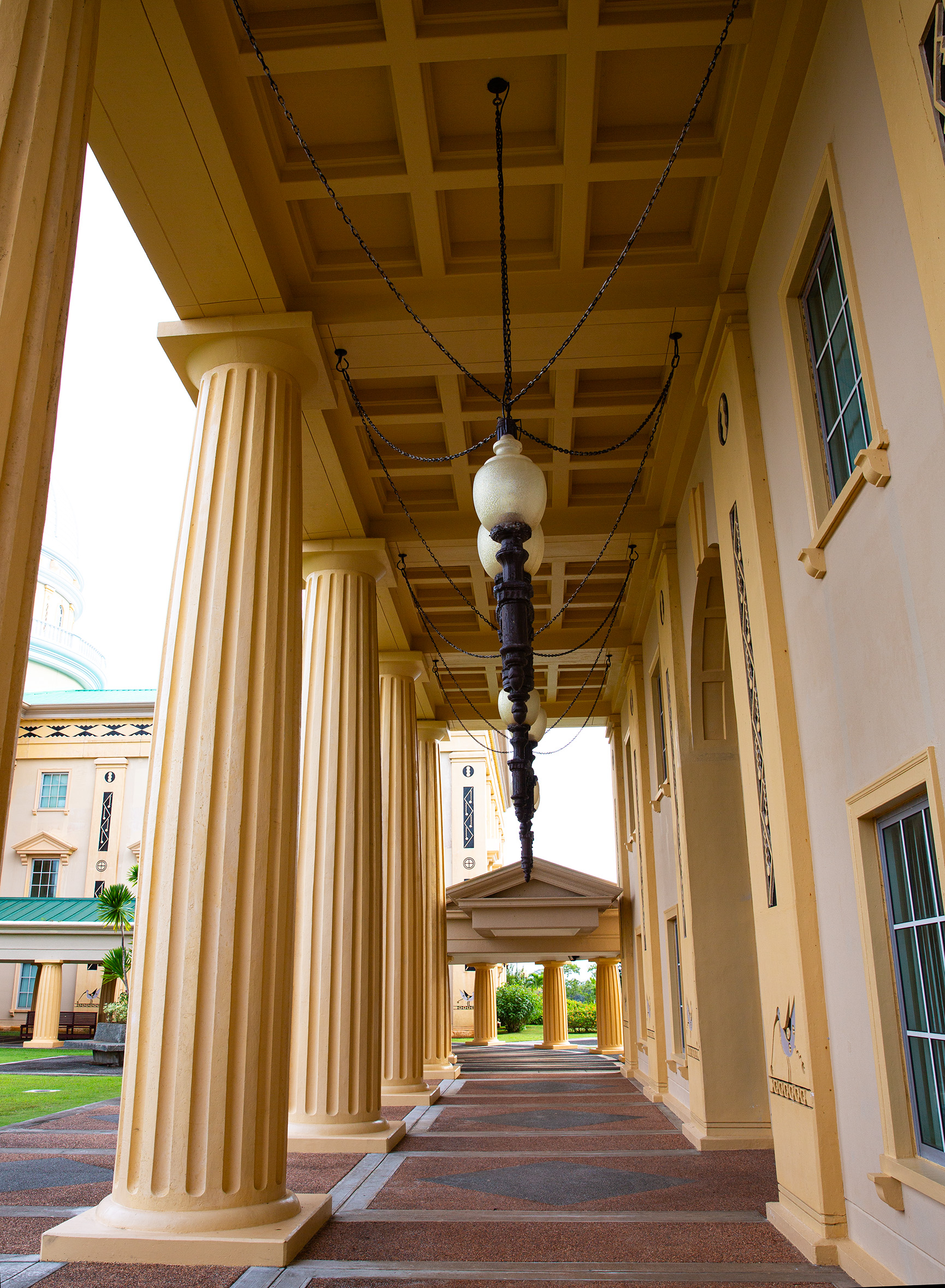
Our last stop on the drive around the big island, we visited the Palau National capital in the "city" of Ngerulmud. The capital features a grand campus of the nation's executive and judicial buildings. The buildings highly resemble the United States capital building, or perhaps the White House. The buildings are flanked by manicured lawns and you are able to walk around them without any restriction. We were surprised that we didn't see a single security guard around the property. In fact, you can even drive up through the capital building's entrance and park in the nearby parking lots. The complex is situated on a hill with fantastic views overlooking the turquoise reefs below. There is no actual city, just the government buildings, and we were one of the only people walking around while there. The stop here only takes a short time and is worth it if you are making your way around the island.
Friday night market in Koror
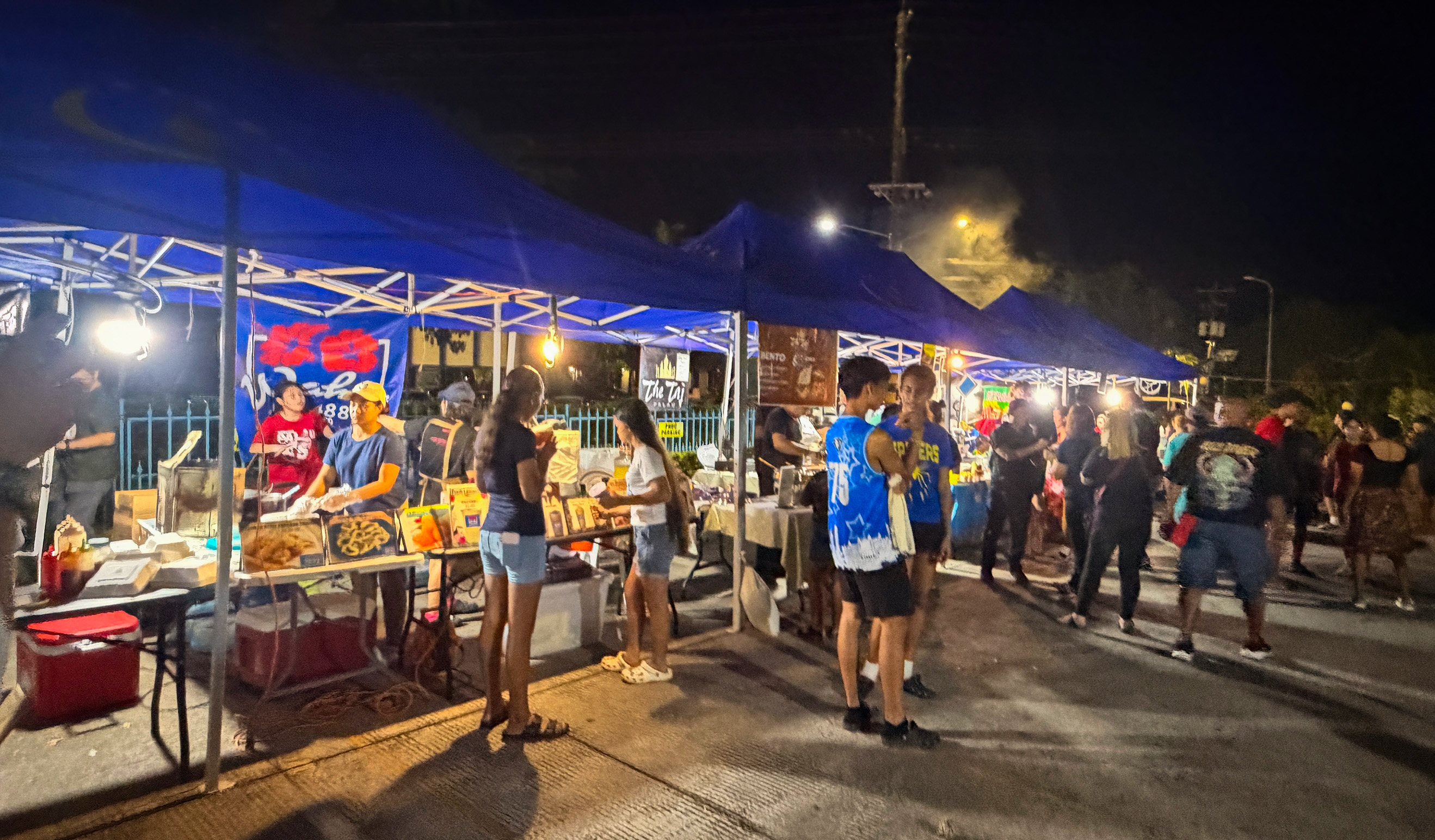
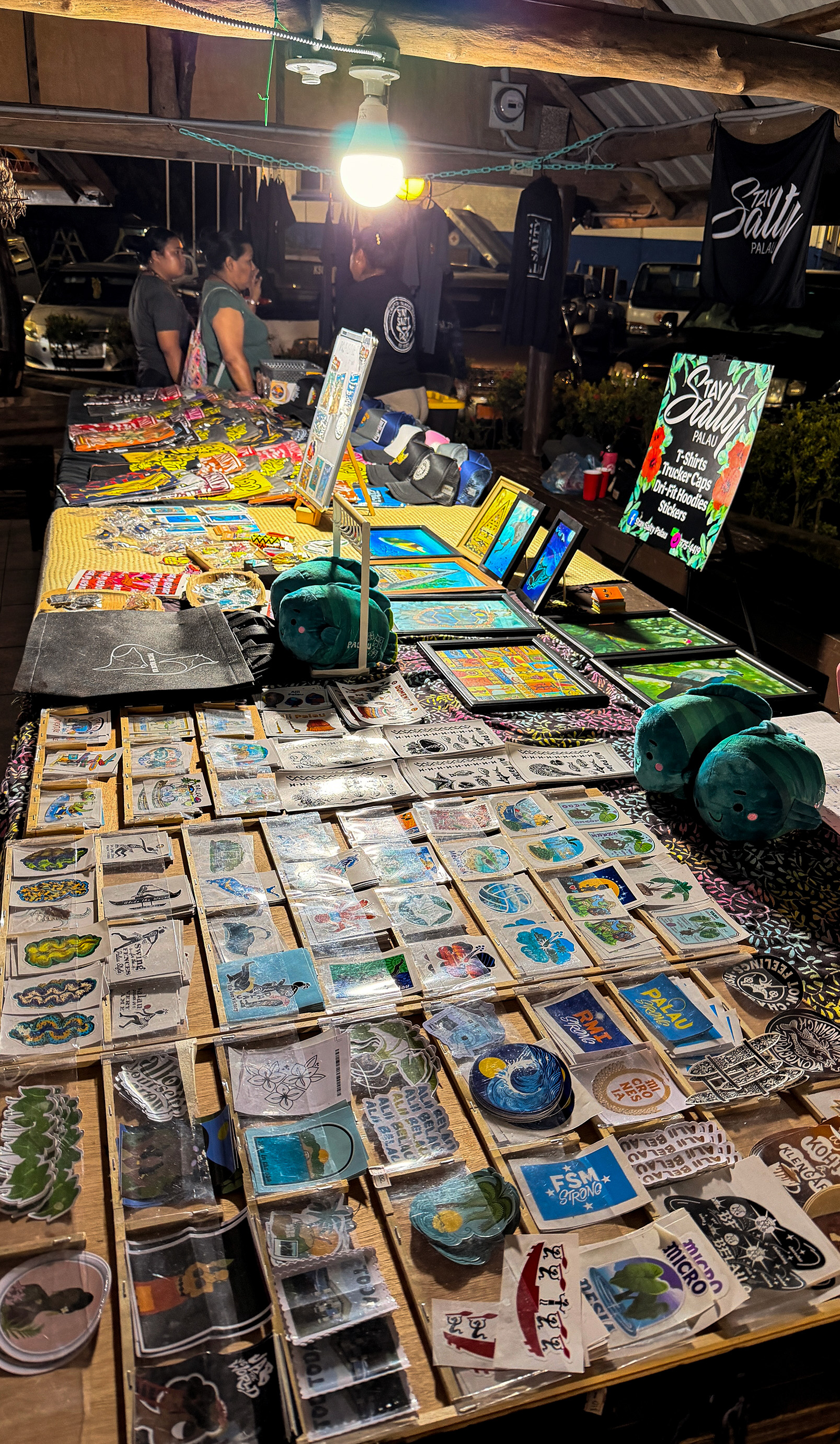
On Fridays in Koror, there is a night market popular with both the locals and tourists. We happened to be on our way to our second dinner at the Taj Indian restaurant, when we noticed the market, so we parked and walked over to see what it was all about. There were several pop up shops with souvenier items such as tshirts, bracelets, stickers and kids toys. There was also live entertainment and dancing at the pavillion, with seats set up for the crowd. On the side, the market hosted a row of tents with street food or other dinner items provided by some of the local restaurants in the area. We checked out the food, but decided we were still interested in returning to the Indian restaurant. If you happen to be in town on Friday night, the night market is worth checking out.
Back to Top
Link to Palau Galleries
Food, What to Eat!
Overall, the food in Palau is fresh and highly influenced by Japan. We found that even the smallest of restaurants would most likely have fresh sashimi and always fresh fish on their menu. We appreciated how the drinking water in Palau is safe, even right from the tap in our hotel. No worries on eating salad or fresh items here in Palau. There are enough restaurants in the main town to try something different each night. Prices are similar to that in the US, and tipping or service charge of 10% is appreciated. We hope you enjoy the long list of recommendations below!
Here are a few of the places we dined at over our week stay: The Salad Bar - Breakfast / Lunch - We came here every morning before diving to get a delicious protein packed smoothie. Service was friendly and fast, with $6 smoothies lots of different choices but we loved the Energy Boost with banana, peanut butter, milk and protein powder. Pro tip: Try the fried banana! They also have lunch available. We highly recommend checking them out!
Meduu Ribtal Restaurant / Coconut Terrace @ Palau Pacific Resort - Lunch / Dinner - They had a buffet on our night, which we didn't try because it was already late and pretty picked over. The main restaurant for dinner in the resort, they offer a range of dishes focused on fresh seafood. We tried the garlic shrimp appetizer, which included 4 medium size shrimp and garlic sauce with bread. Then the fresh catch of the day fish with butter sauce and fresh veggies. Good for if you prefer to stay at the resort for the night, but we mostly opt to go out elsewhere.
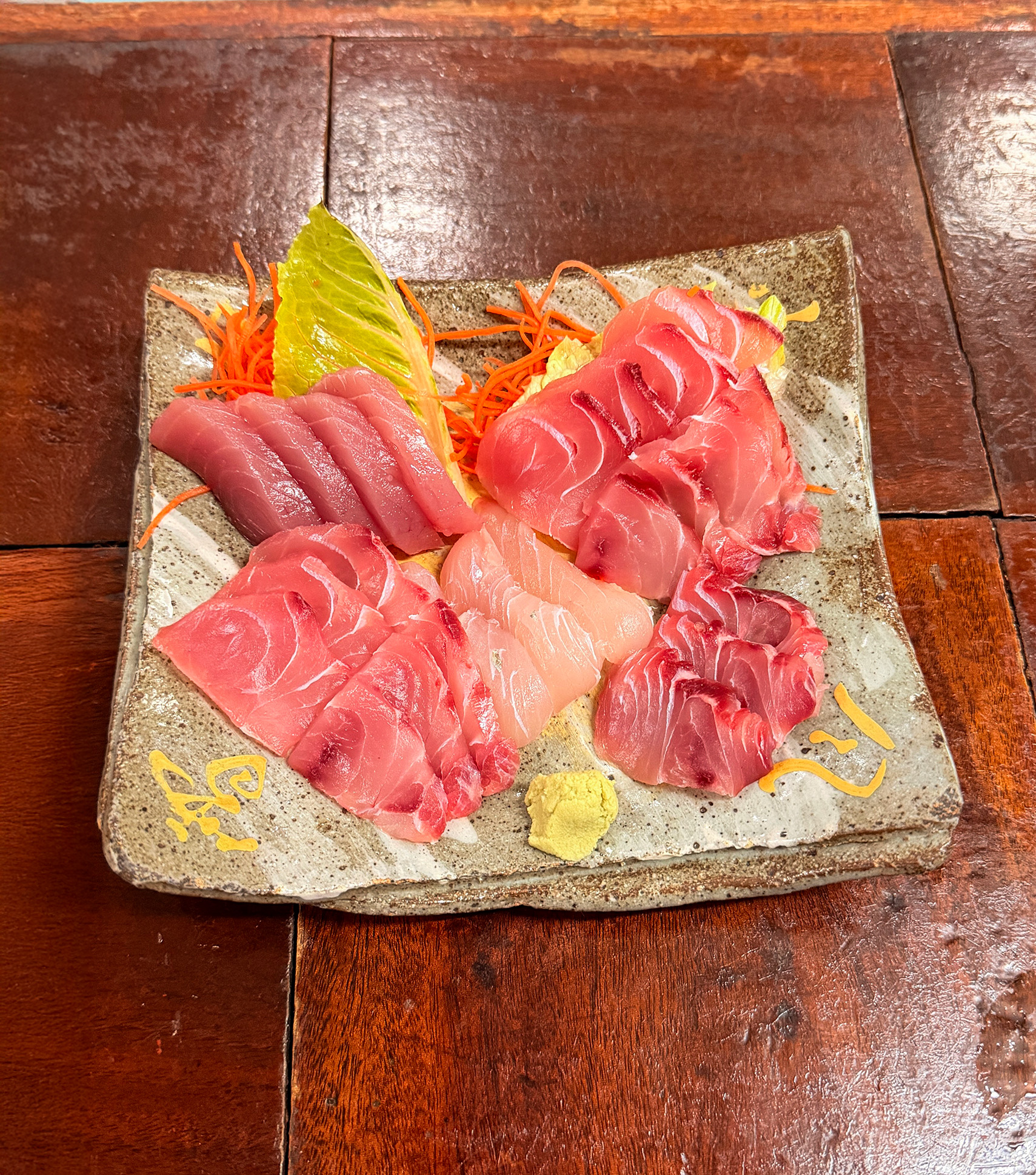
Zigu Japanese Bistro - Lunch / Dinner - Authentic Japanese restaurant with Japanese staff. Extensive menu of sushi, sashimi, gyozas, grilled meats and veggies, as well as local fish and crab dishes. We had two rounds of the pork gyozas, as they were cooked perfectly! Additionaly, we had the chicken, beef, and shrimp grilled meats on a stick, all tender and delicious. Finally, we had the local barracuda sashimi - extremely fresh, the mixed nigiri and some sake. The yakitori grilled items were extremely fairly priced at only $5-10 each and several skewers at a time. This place is definitely worth a stop especially if you like Japanese food. We ended up returning here for a 2nd time on our last night of the trip.
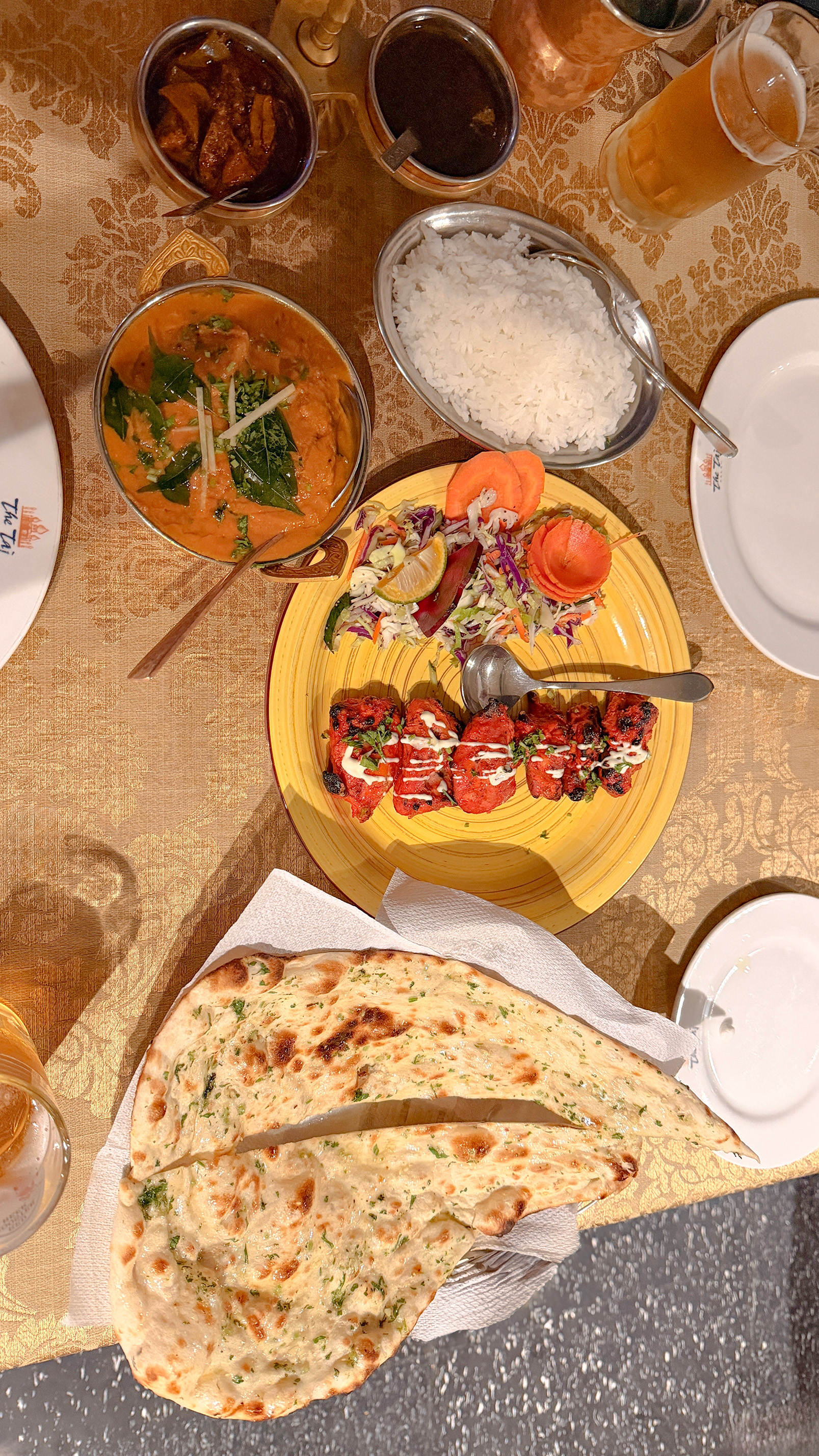
The Taj - Lunch / Dinner - You know that if you leave a dinner saying, "we have to come back here", that's a very good sign! This place is authentic Indian with a southern Indian flair. We tried a fish malabari curry with chunks of local fresh fish in coconut milk curry and spices (our favorite)! And also the spicy chicken vindaloo, another Southern Indian dish. On our 2nd visit, we had the malabari curry again along with the chicken tikka - SO tender and perfectly cooked in the clay oven. On the side: garlic naan, rice and kingfisher beer, followed by Indian rice puddin / pistachio ice cream. We can't complain about a single item, all were fresh and delicious. Service was highly attentive by the owner and we told him that we wished we had Indian food this good at home!
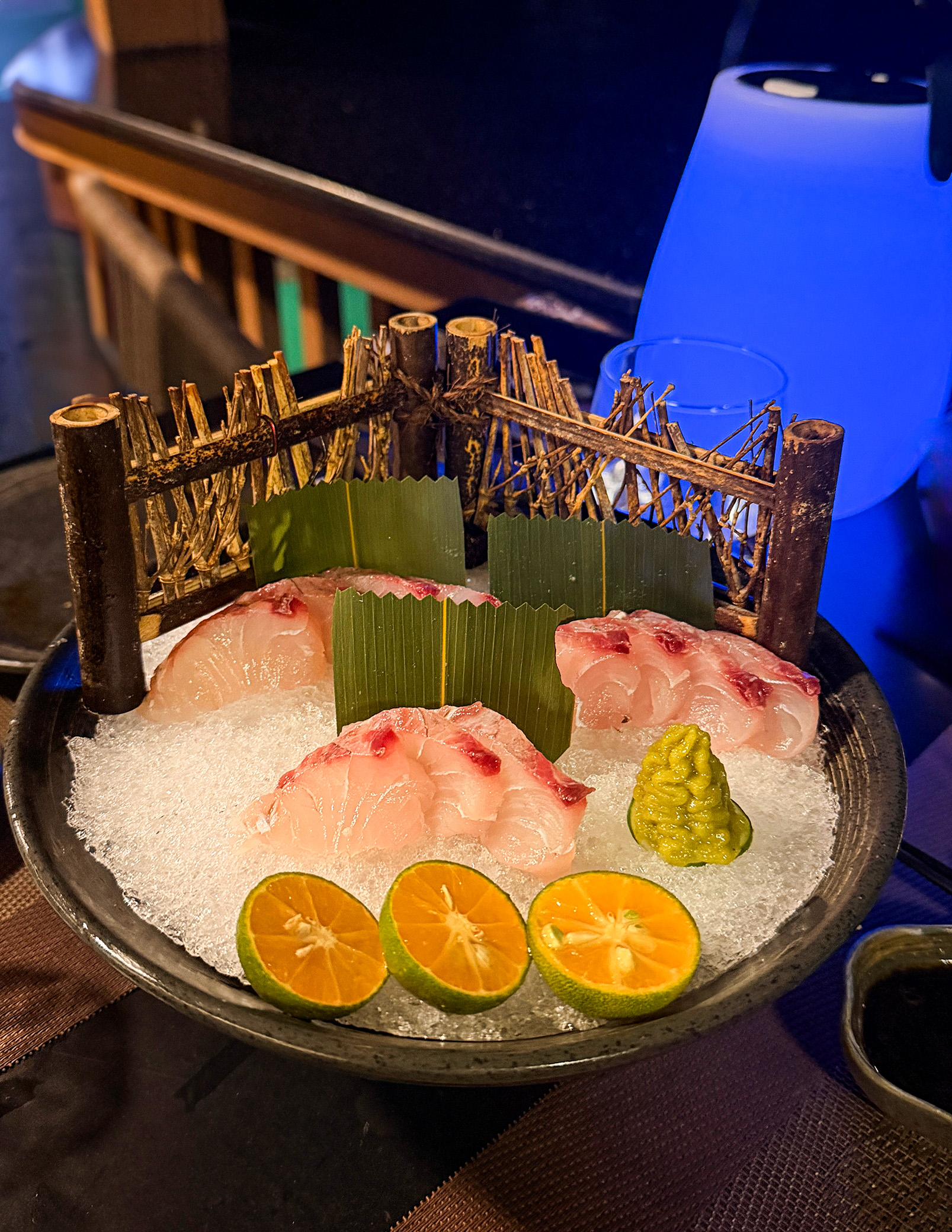
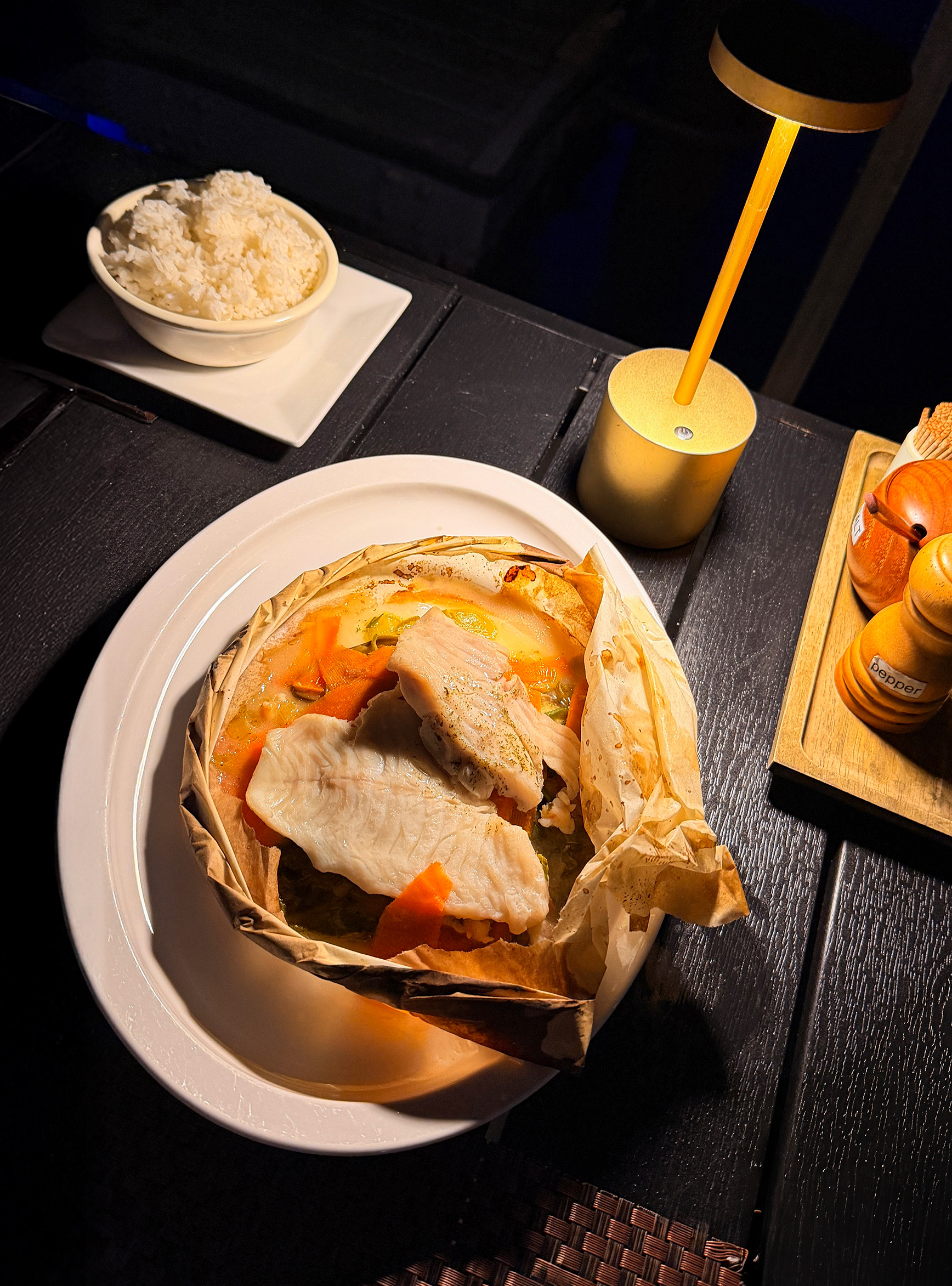
Elilai Seaside Dining - Lunch / Dinner - We came here for dinner and were pleasantly surprised. The restaurant has an upscale atmosphere and a fairly wide selection of menu items, from fish, to pasta and pizza. We had seared snapper with wasabi and fresh salad appetizer, followed by the catch of the day (parrot fish) steamed in parchment paper with veggies. Everything was delicious!
Jive Cafe @ Ollei (Main Island) - Lunch - On our drive around the island, we found ourselves at the uppermost point of the island, with very few places to eat on the main island in general, we stopped at the Jive Cafe @ Ollei looking for some food. At first appearance, many would have turned away at the gas station / abandoned feel of the place, but we ordered the fish fingers and fries. With low expectations, we were pleasantly surprised with the fresh fish lightly breaded and fried and would rate this as some of the best fish fingers we've ever had!
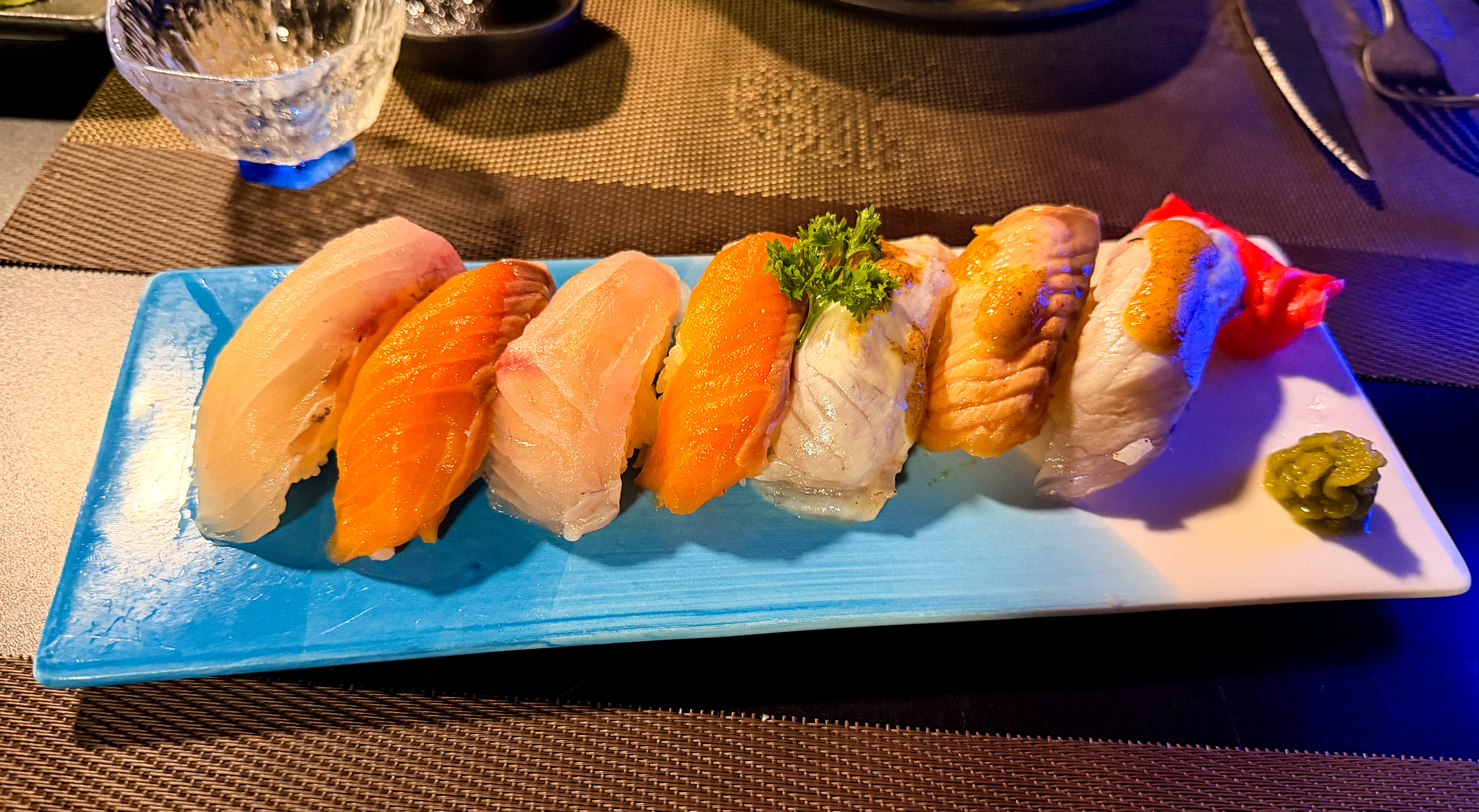
Mito Sushi - Lunch / Dinner - We came to this small unassuming Japanese restaurant, located underneath the more popular Indian restaurant, for dinner. Upon walking in, we found ourselves in a small Japanese sushi bar with Japanese speaking staff. We tried the fresh mixed sashimi, as well as another larger sushi plate that featured cut rolls, hand rolls and 7 pieces of fresh nigiri along with sake. We plan to leave them a good review on Google, as they didn't have many reviews, but deserve more.
Wagyu & Whiskey Speakeasy Bar - Drinks / Dinner - This newly opened and off the beaten path place offers a speakeasy type environment with dark lighting and a small sitting area and bar. We weren't sure what to think about the dinner choices, but ended up trying the buffalo chicken wings with our drinks. They also offer sashimi, shrimp, scallops and wagyu beef dishes. We were one of the only patrons, but enjoyed the live music they had playing on the tv and hope their business picks up!
The Coffee Berry Cafe - Breakfast / Lunch - We stopped here for coffee on our way to the dive shop, as well as on our final day for breakfast. They have an extensive menu of both breakfast and lunch items as well as a full coffee menu. They have a long list of different kinds of belgian waffles, so we chose a waffle with side of bacon. The coffee was very good, but unfortunately, the waffle wasn't the best - a bit dry and hard to cut. They banana and chocolate toppings made up for it a bit, but we'd recommend trying something else on the menu.
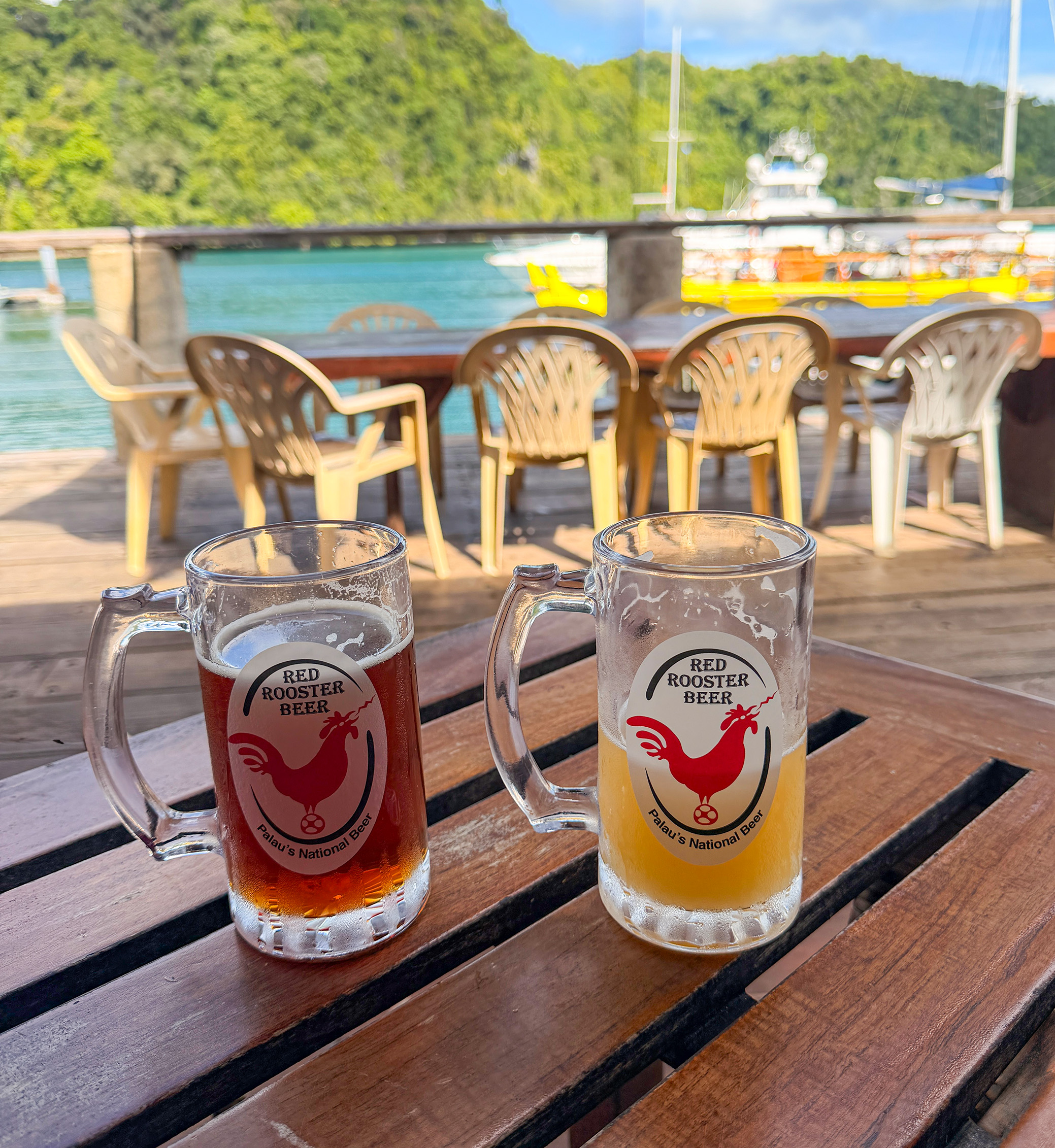
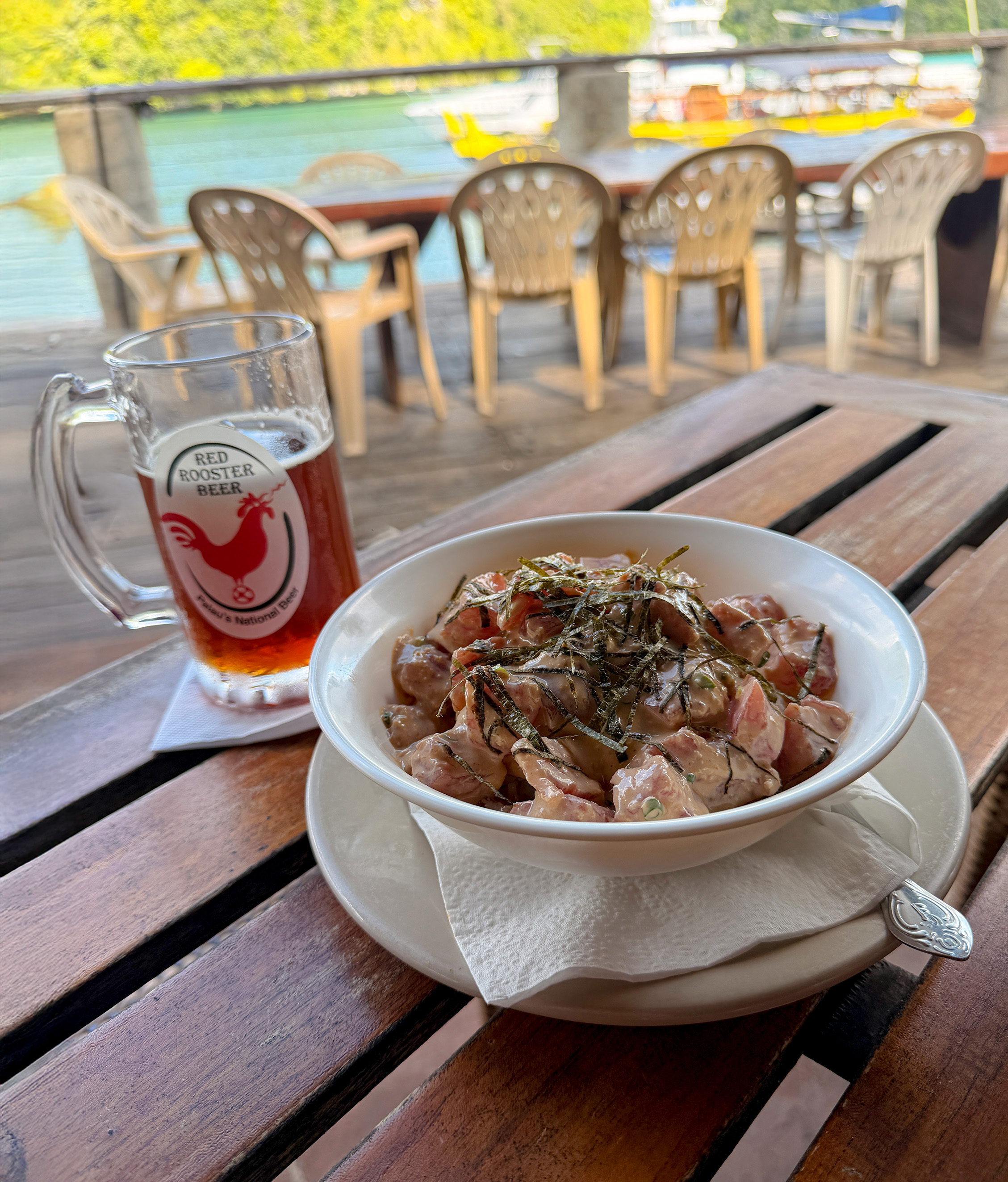
The Drop Off - Lunch / Dinner - We came here on our first lunch on the island. It seems like a very popular place for lunch or dinner a lot of fresh fish options. We had the poke bowl and the fish sandwich with some local draft Red Rooster beer.
Back to Top
Link to Palau Galleries
Leave Us A Comment!
All Comments
Jackie
2026-02-15